Douglas A-26C, Hells Belle
Taken From Taigh's Facebook

How did this Douglas A-26 obsession begin? Good question.
My father, Henry J Ramey Jr. was a Navigator in B-29s in WWII. I read his illustrated diary when I was a kid and the B-29 quickly became my favorite WWII aircraft. I decided I would have my own B-29 some day and started collecting parts and manual for the Superfortress.
I was pretty young at the time, but I formulated a plan to support my very own B-29. I would convert the forward bomb bay to a bedroom and the aft bomb bay would accommodate my Morris Minor Woody that could be easily hoisted in to position with the normal bomb hoists. I would live in the B-29 and not have much in the way of expenses for a house or apartment, so that I could afford to keep the B-29 going. Sounds simple right?
I had planned to fly to the next airport and get a job. I would commute to work in the Morris and earn enough money to buy gas and oil for the B-29 to go off to the next city where I would find another job, earn gas and oil money then hear to the next stop. Life would be good.
Okay, so a few years later the whole concept started to look a little more difficult as there weren’t too many B-29’s to be had. So far China Lake, Socorro, NM and Aberdeen Proving Ground had turned down my B-29 requests so maybe an alternate plan was in order.
I had learned about the Douglas A-26 and found out that it was basically a small B-29. It had the same cool Central Fire Control turret system. The same Norden bombsight and C-1 autopilot. Only one bomb bay though, so maybe the Morris Minor would not have the cool garage... And the bedroom also needed a re-think...
The A-26 was pretty sexy. It looks like it's going 300 MPH just sitting there on the ramp. Cool glass nose on the C model. Lots of guns, rockets and bombs which was good for the kid still playing Army. Hmmm, maybe the A-26 would be a good second choice should the B-29 thing not come to fruition...
I began collecting parts for the A-26 right along with the B-29 stuff. I found a glass nose from Jim Ricketts when I was still in high school. He also had a lot of A-26 parts lying around in his hangar at Stockton so I put all of those in a crate for future use. I know there were bomb rack parts and other unidentifiable items that I would undoubtedly need for my future Invader.
The Pima Air Museum had an A-26 sitting on the landing gear but the wings were sawed off outboard of the nacelles. It was really rough, and even though the equipment had been stripped, it still had all of the armor plate and the mounts and electrical harnesses in place. This was the hardest stuff to find. I was trying to get this from Pima when Jack Basler beat me to it. Later, after he and the Santa Rosa Air museum had stripped it of stuff for their aircraft, Jack gave me the remains. Not much left but I now had a fuselage and wing stubs, which was better than nothing.
I ended up finding a new periscopic gunsight for the GE turret system, and it was new in the crate. I had put together a working B-29 turret system, so with this periscopic sight and the other GE CFC turret parts, I could assemble a working A-26 turret system. Just needed something to put it in. Someday...
I learned about the glass nose having two fixed .50 cal machine guns for the pilot to fire when attacking ground targets. I started searching and found a new, never mounted gun port that was stamped out of stainless steel. I bought it and attached it to the glass nose and continued to long for the day when I could find a flying A-26 to put all of these parts onto.
Airspray was a company in Canada that operated 18 A-26s for fire fighting work. I followed their exploits over the years, and heard that they were retiring the fleet of Invaders - and they were coming up for sale. I called them, only to find out they would sell me a flying A-26 and would even deliver it for only $117,000. That is a great deal! The only problem was I was just $115,000 short on funds. Dang!
Skip down the road a bit, and we had a museum formed that was dedicated to the WWII air and ground crew. We had assembled a collection of the air and ground equipment that they used and made most of it operational. Radios, bombsights, radar, gun turrets, Jeeps and trucks all working so visitors could see, hear, feel and smell WWII gear come back to life. I had started a company that specialized in the Twin Beech or the Beech 18. I resurrected several WWII examples over the years that I flew rides and gave flight instruction in. These flying aircraft added a new dimension to bringing WWII equipment to life. It also became a viable business. By viable I mean that I took the vow of poverty in WWII aviation but we all sure had, and are having, a good time. We have given so many WWII vets opportunities to fly or man their crew positions just like they did in WWII.
Bomber Camp grew out of a business plan assignment at San Jose State Aviation Department. And it became the ultimate way to bring all of this back to life. Operating the turrets, dropping dummy bombs and shooting blanks out of the 50’s in a flying B-17 or B-24.
This brings us to Jan. I had known Jan Johnson from seeing her at many air shows over the years, and we met more formally at Oshkosh in 2022. We soon started enjoying warbird life together and continued the adventure.
I told Jan about my longing for an A-26 and she also saw how beautiful they are. She tells the story that I would whisper in her ear when she was dozing off that papa needs an A-26
and for some reason she was fully onboard with the idea. That subliminal stuff really works!
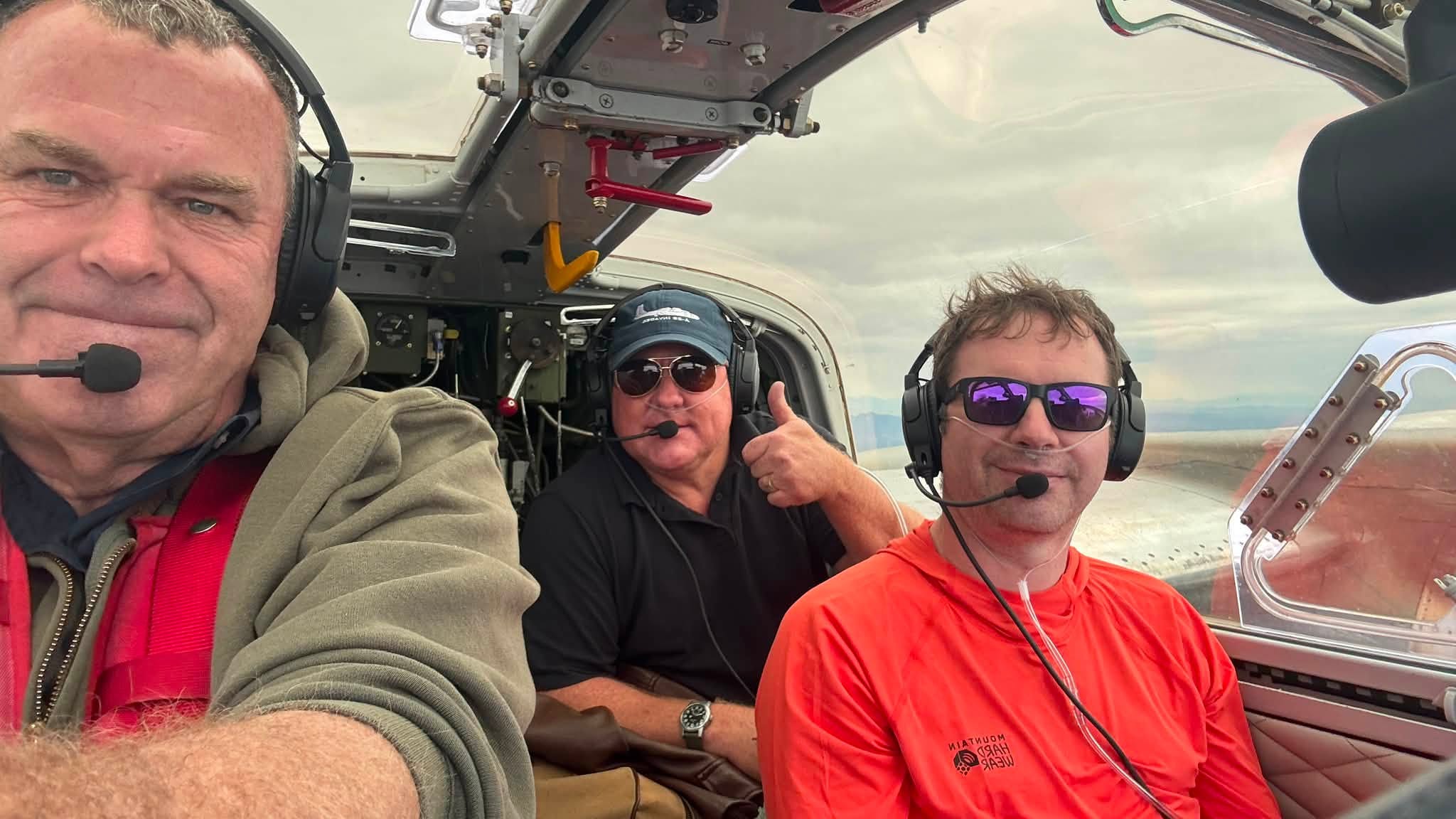
At one point I saw an ad for an A-26 for sale in Carson City, which was just over the hill from us at Stockton. Jan and I hopped in the T-41 and flew over and took a look. The Invader have been sitting outside for a long time and the birds had been using it for their nests and poop repository. The poor old gal looked sad, but under all of that I saw a really nice A-26 that had obviously had a lot of work done to it years prior. Wow, she was a diamond in the rough for sure. Jan also fell in love as the selfies in the cockpit can attest to!
Jan put up the money to buy the sad looking A-26 and we got to work. Resurrecting old aircraft and bringing them back from the dead is our specialty at Vintage aircraft so we dug deep in to the old gal and were not disappointed.
The plan for the museum was to fix up the 1945 Lockheed PV-2D Harpoon that had been donated to us and eventually sell or trade it toward an A-26. Well, this is exactly what happened, as we fixed her up and flew her to many air shows and were able to get a lot of PV vets to fly and fly in her over the years. It was a magical experience for sure.
Luck would have it, Kermit Weeks came to take a look at our Harpoon and he appreciated all the work we had put in to it. This went from a shell of a derelict PV-2 that had a borate tank in her belly and came all the way back to about 90% of how she was when she left the factory. All of the radio and radar gear was found or fabricated and put back in to newly restored her crew positions. This is just what Kermit likes, so he bought her and we could not be happier as she will live indoors after he does a full restoration on old 062.
The sale of the PV-2 to Kermit allowed us to pay most of the funds for the A-26 back to Jan and we wasted little time getting to work on the A-26. After getting her and her systems working we started on getting her wartime equipment back in place. All of those decades of collecting parts for an eventual airframe was coming to a head.
The one thing that made me fall head over heels for this particular airframe was that it was un cut and un altered. She had never been an air tanker or an executive bird. She simply had some parts removed but the basics were still there ready to come back to her original configuration.
All of the 3/8 inch think aluminum deflector plate was still on the sides of her fuselage complete with the construction number stamps from when they were fitted at the factory. She is also about the lowest flying time A-26 with 1600 total hours. The restoration work that was done around 20 years ago by Matt Jackson for its owner Howard Keck was first class which can still be seen to this day. Amazing work that created one of the finest examples of a Douglas A-26 flying today. Okay, I am highly biased!
There have been a lot of people helping to keep this A-26 up and running and restoring her to her wartime configuration. The museum thanks you all for your efforts as does the A-26 herself.
She is, and will continue to be, a tribute to the air and ground crews that flew and maintained her and her sister ships in WWII, Korea and Viet Nam. Now if we can just find some Invader vets to share her with.
Stay tuned.
As the aircraft was in pretty good condition when we acquired her, there wasn't so much of a ressurrection as there was just fine tuning of the details. See below, the beginning of that journey.
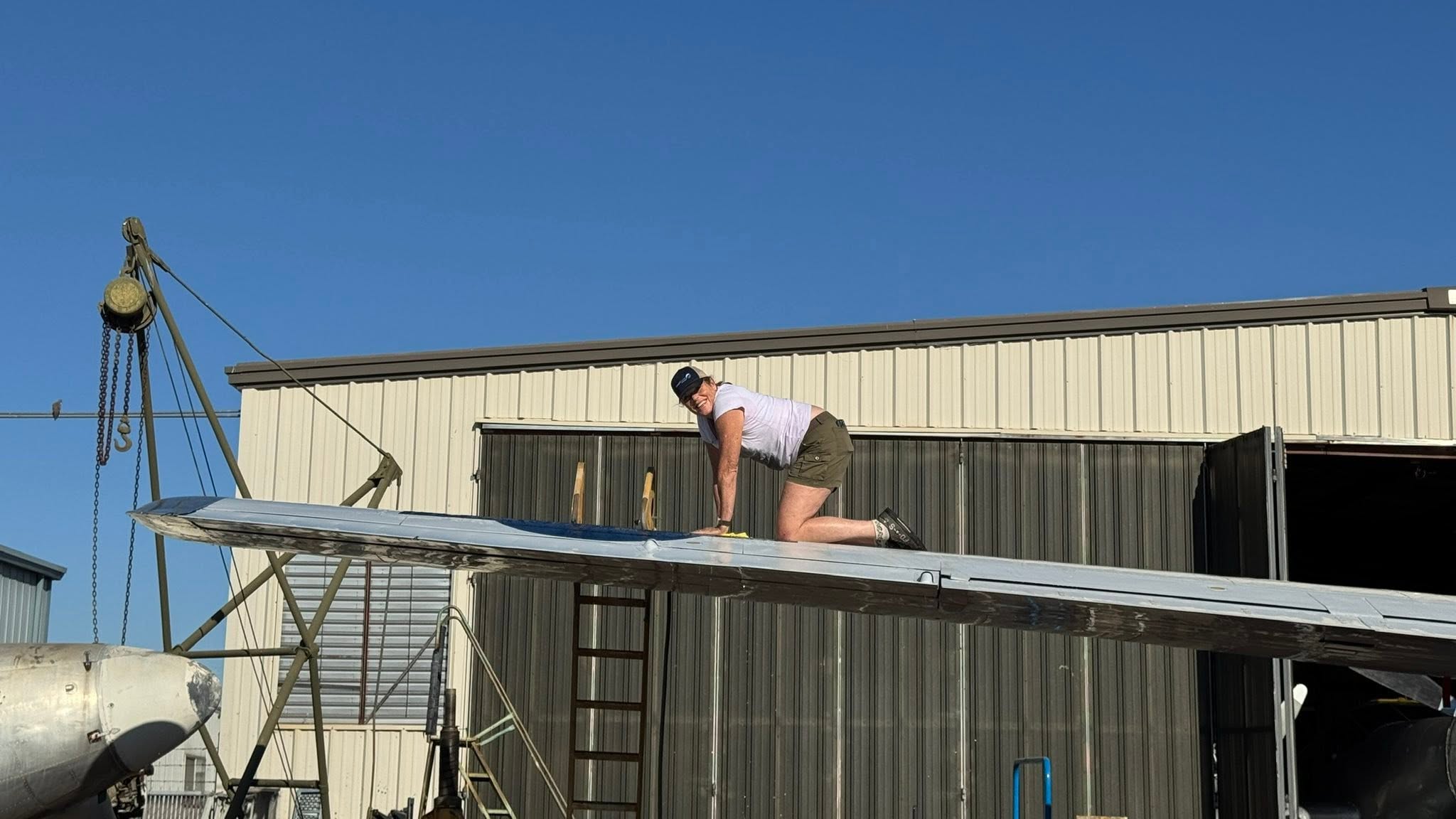
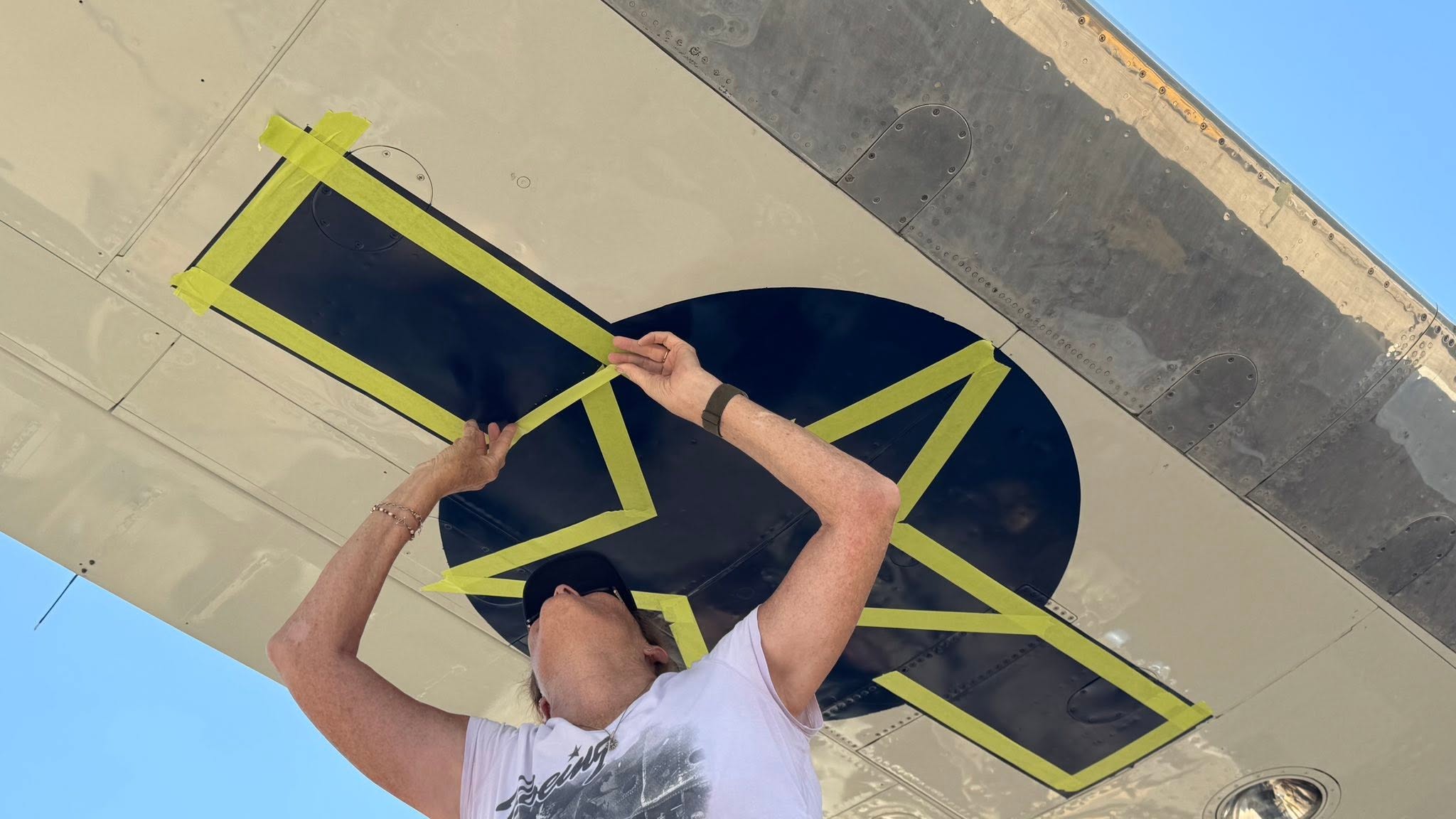
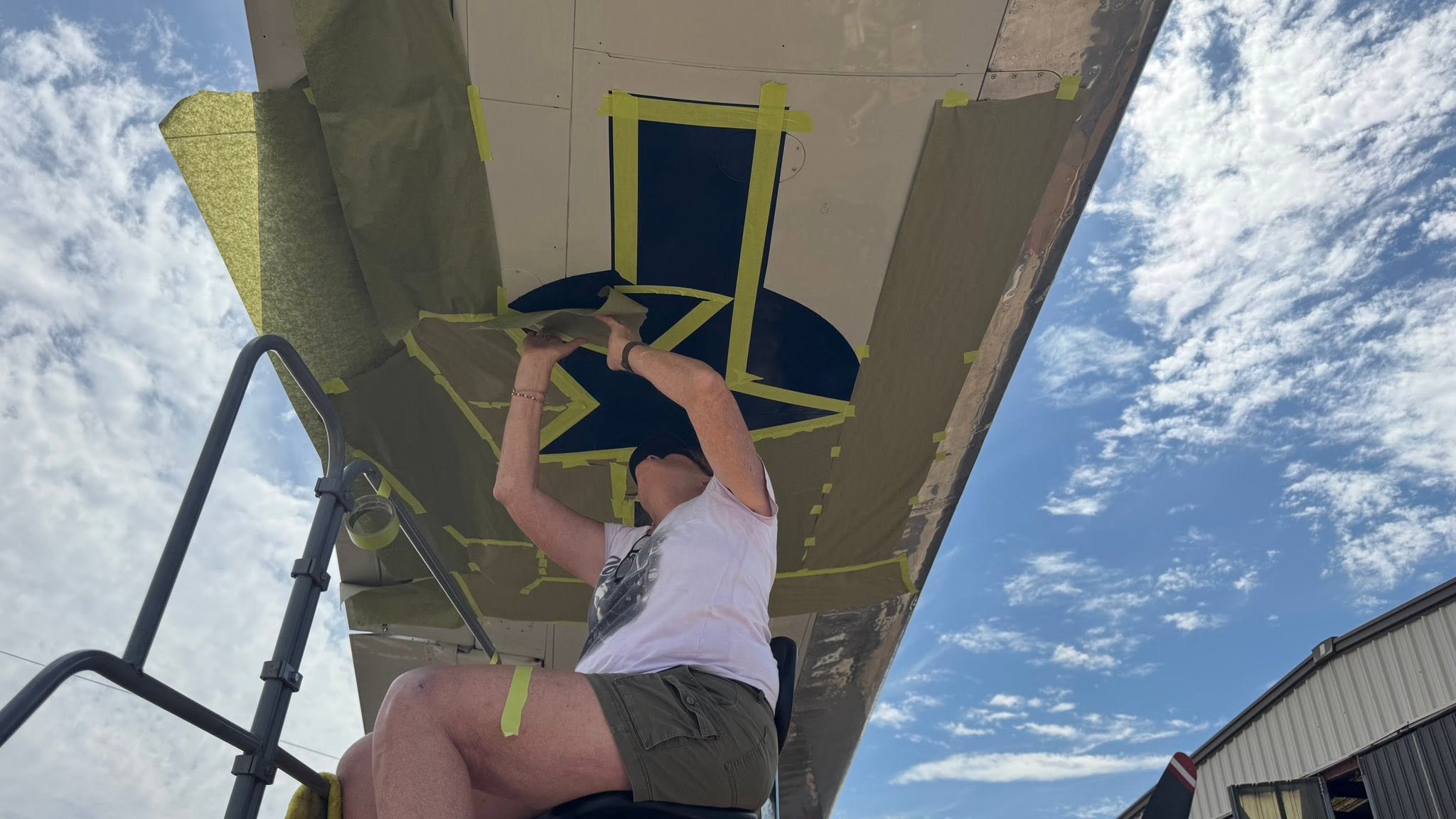
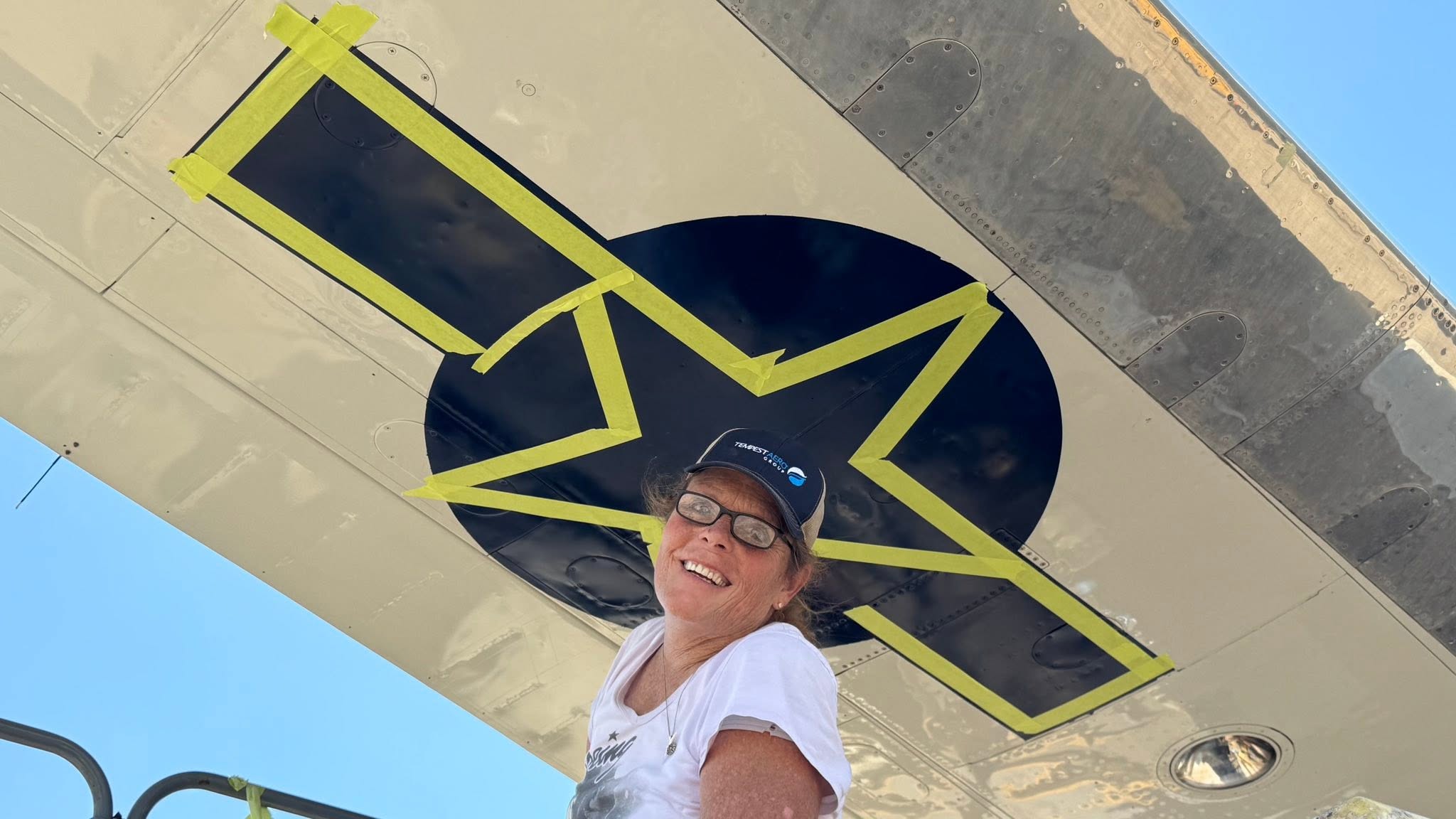
Look what my girlfriend did! Painting the star and bar on the museums Douglas A-26 Invader. Getting the A-26 ready for her first air show at Lincoln, California. Way to go Jan!
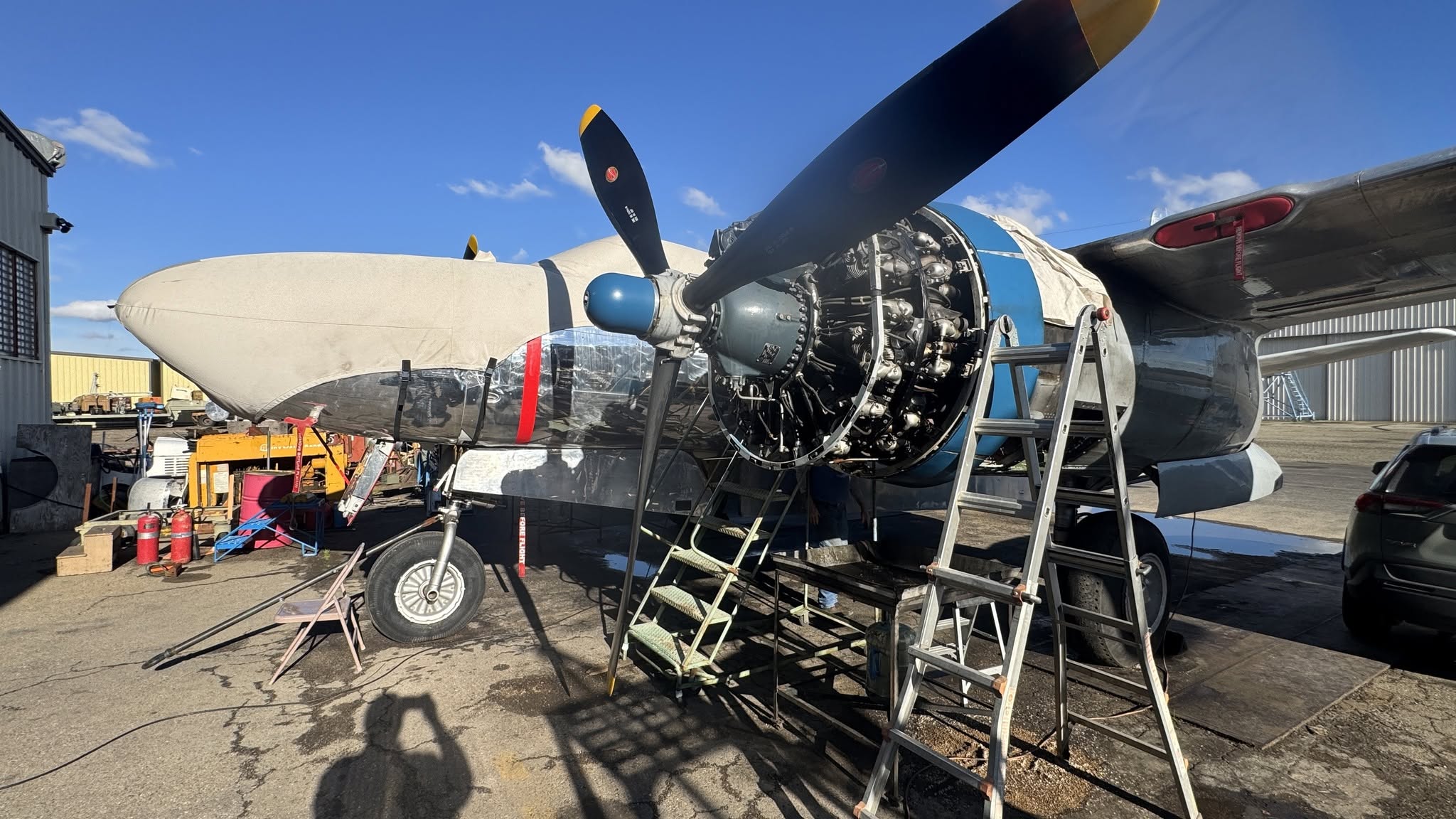
Carburetor day. I know its in here somewhere!
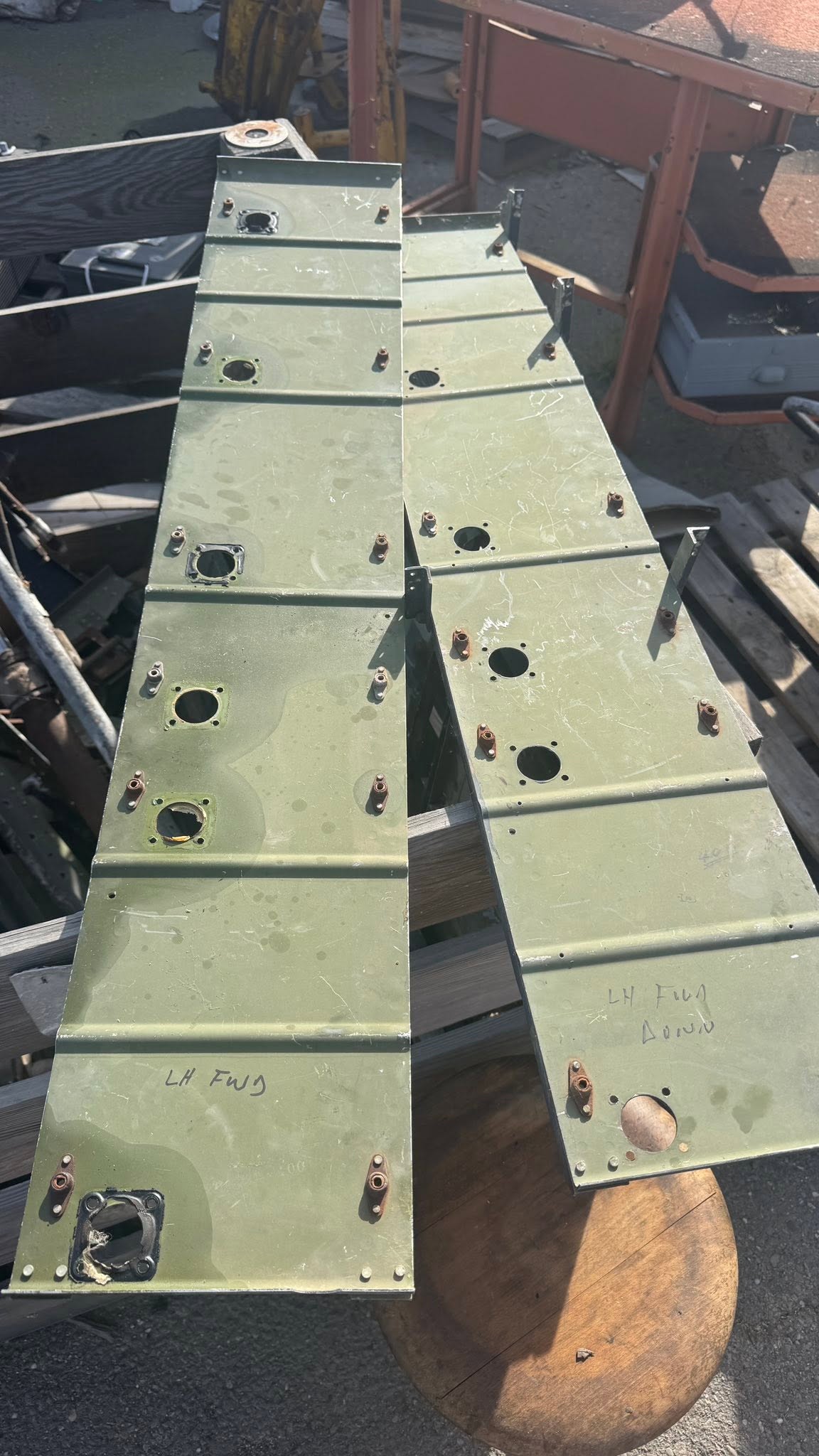
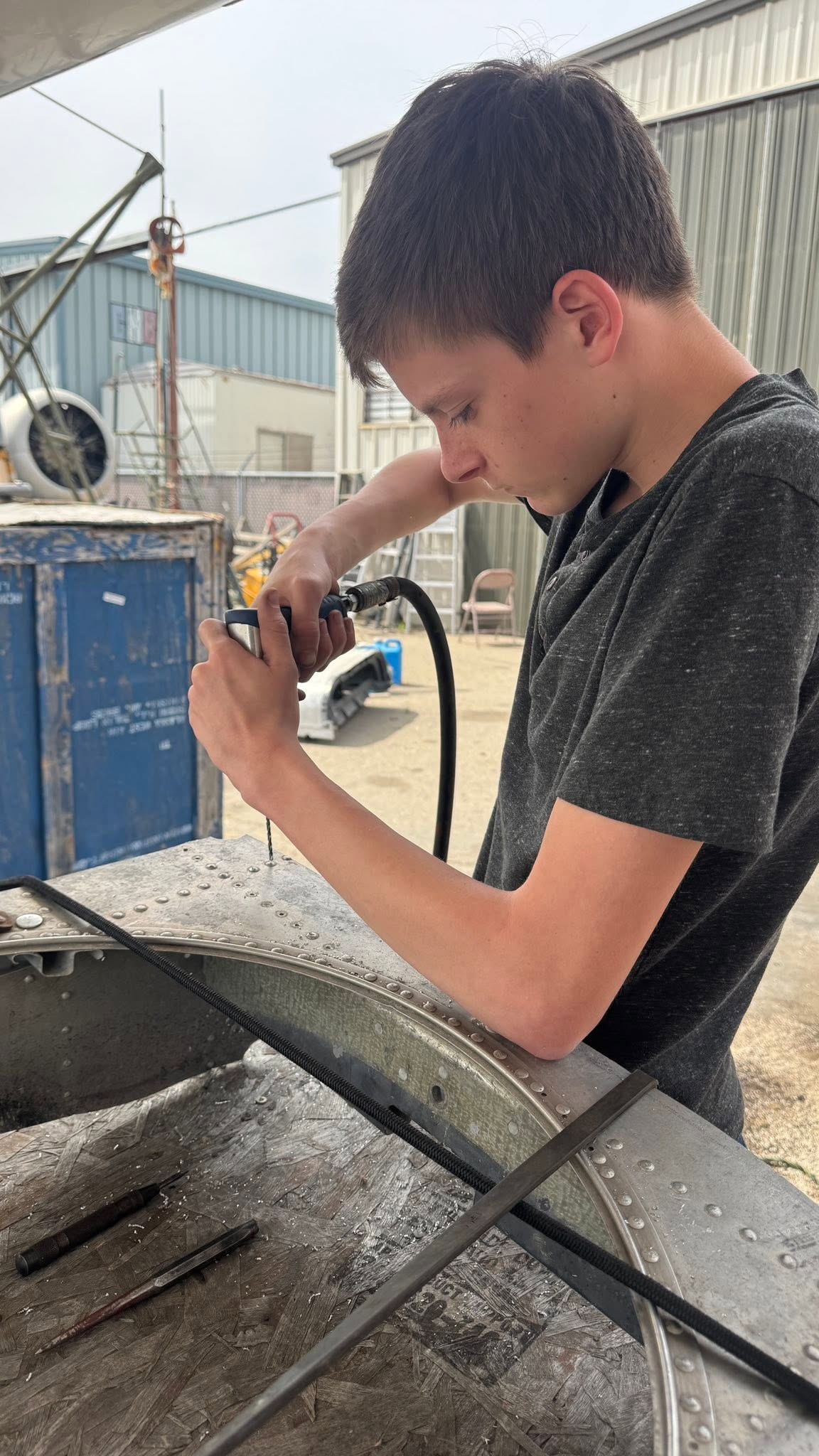
So nice to see kids who are interested in Warbirds and WWII history. 16 year old Logan, a true warbird nut, has been volunteering at the museum by working on the A-26. He took apart some bomb racks that I had squirreled away, 40 some odd years ago for this very purpose. He disassembled them and prepared the bomb hooks, keepers and attaching hardware for cad plating. Then he tore down the bomb release panels taking the wiring harnesses and release receptacles off for restoration. A true test of intestinal fortitude can be seen at the bead blast cabinet. This kid put in not only hours but days cleaning parts and then painting them without complaint. After the hardware came back from the plating shop, he installed the parts on the bomb racks. Then he learned to drill out rivets to retrieve parts needed for the A-26 gunner's compartment.
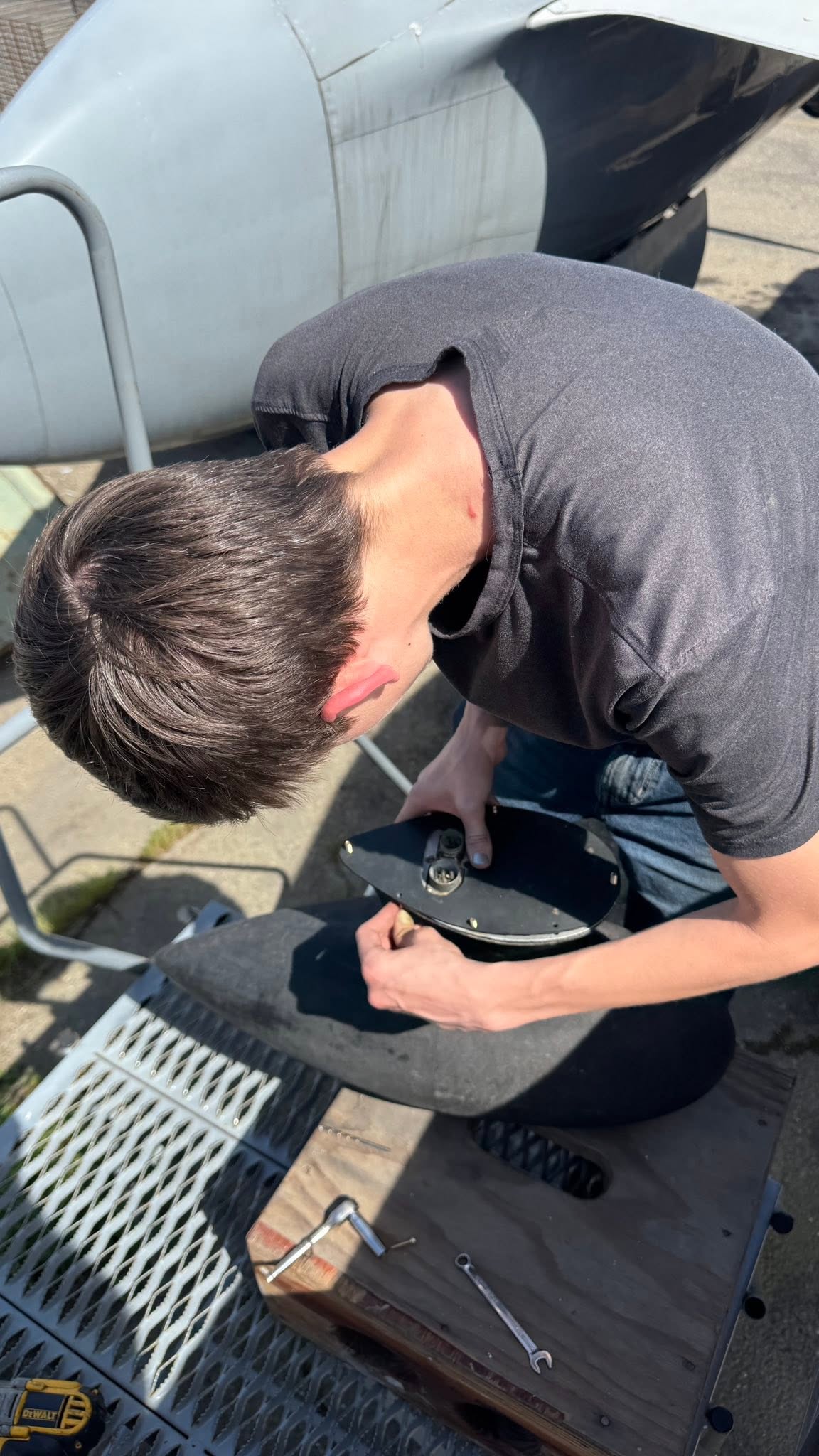
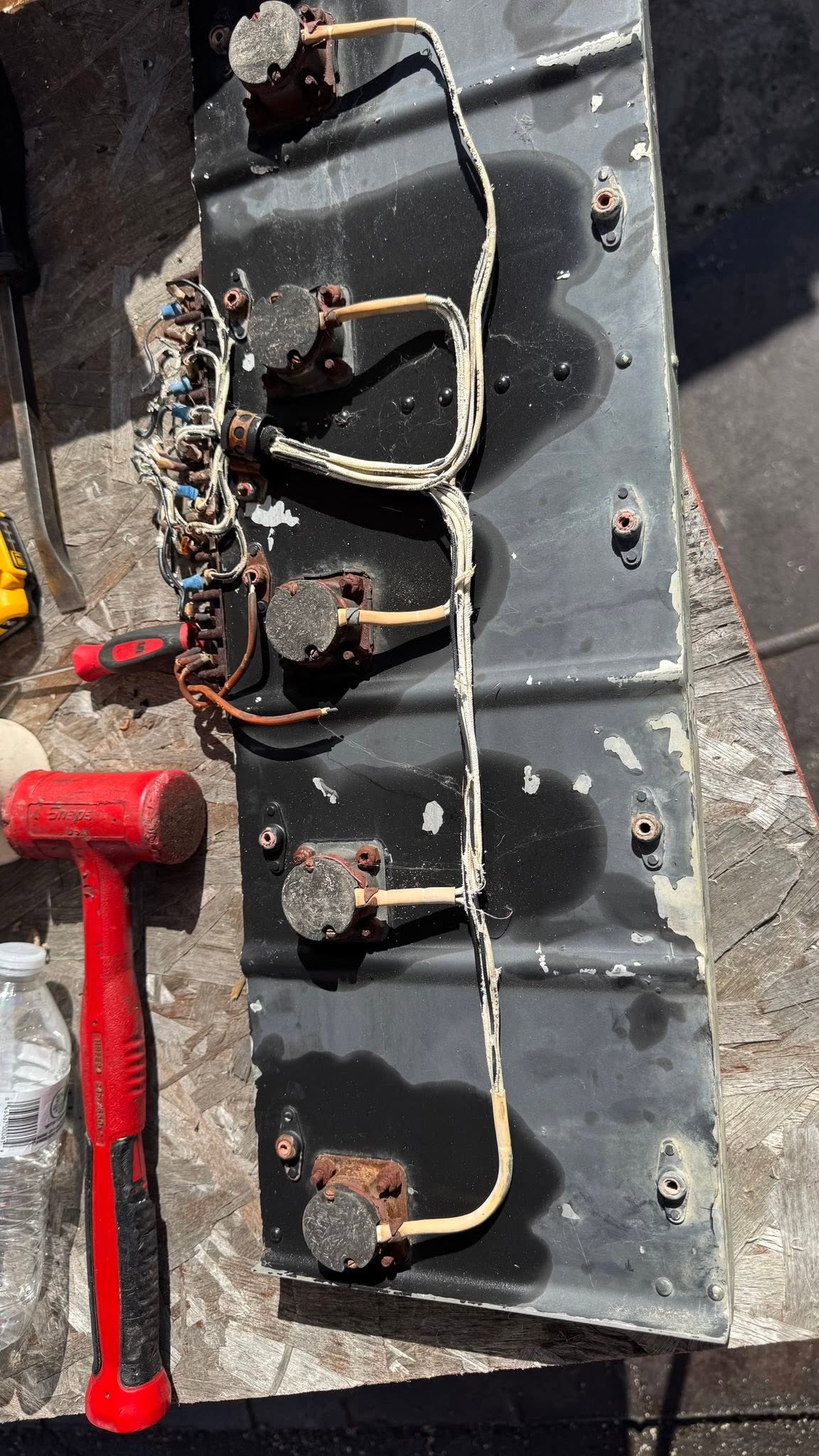
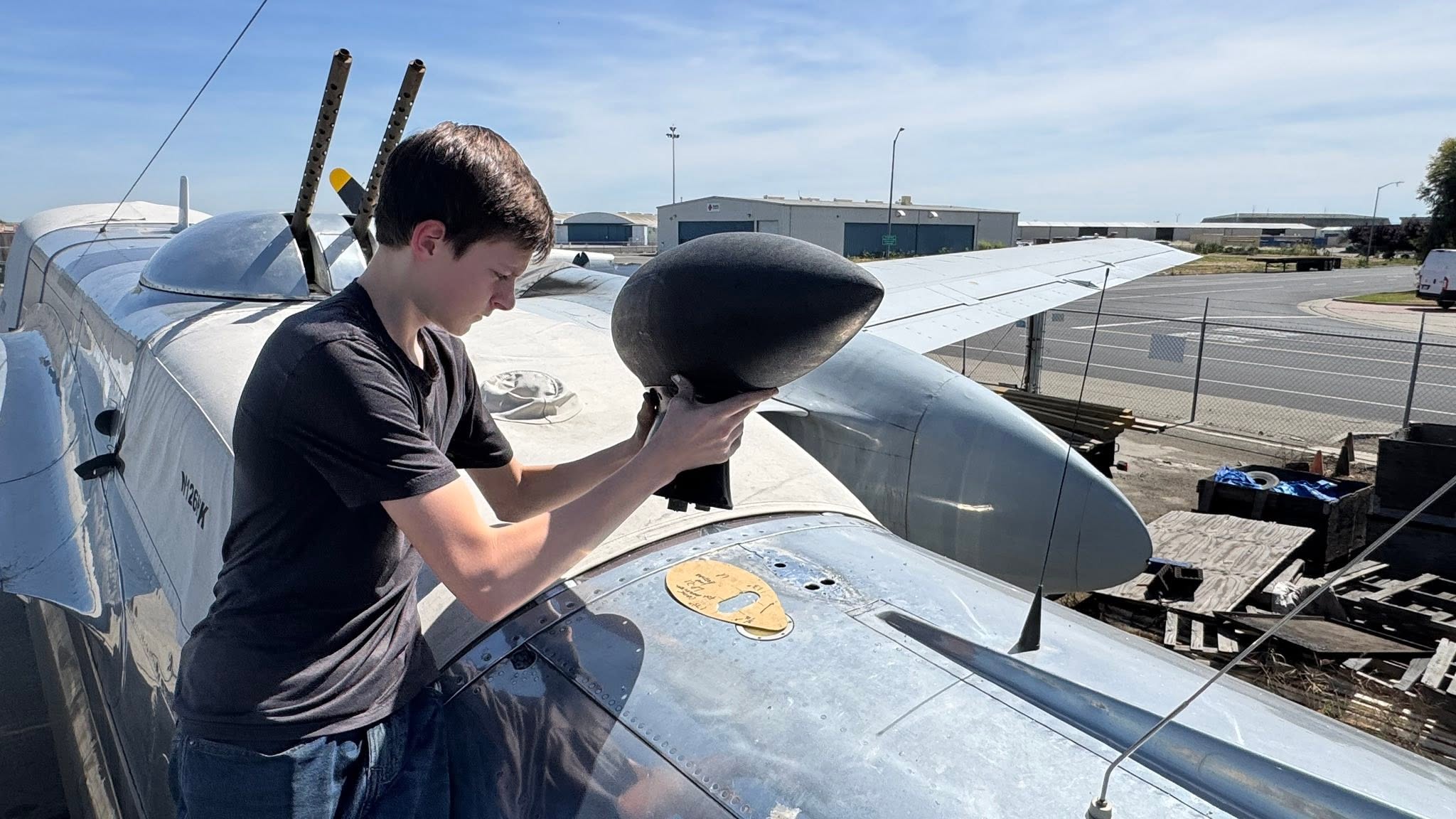
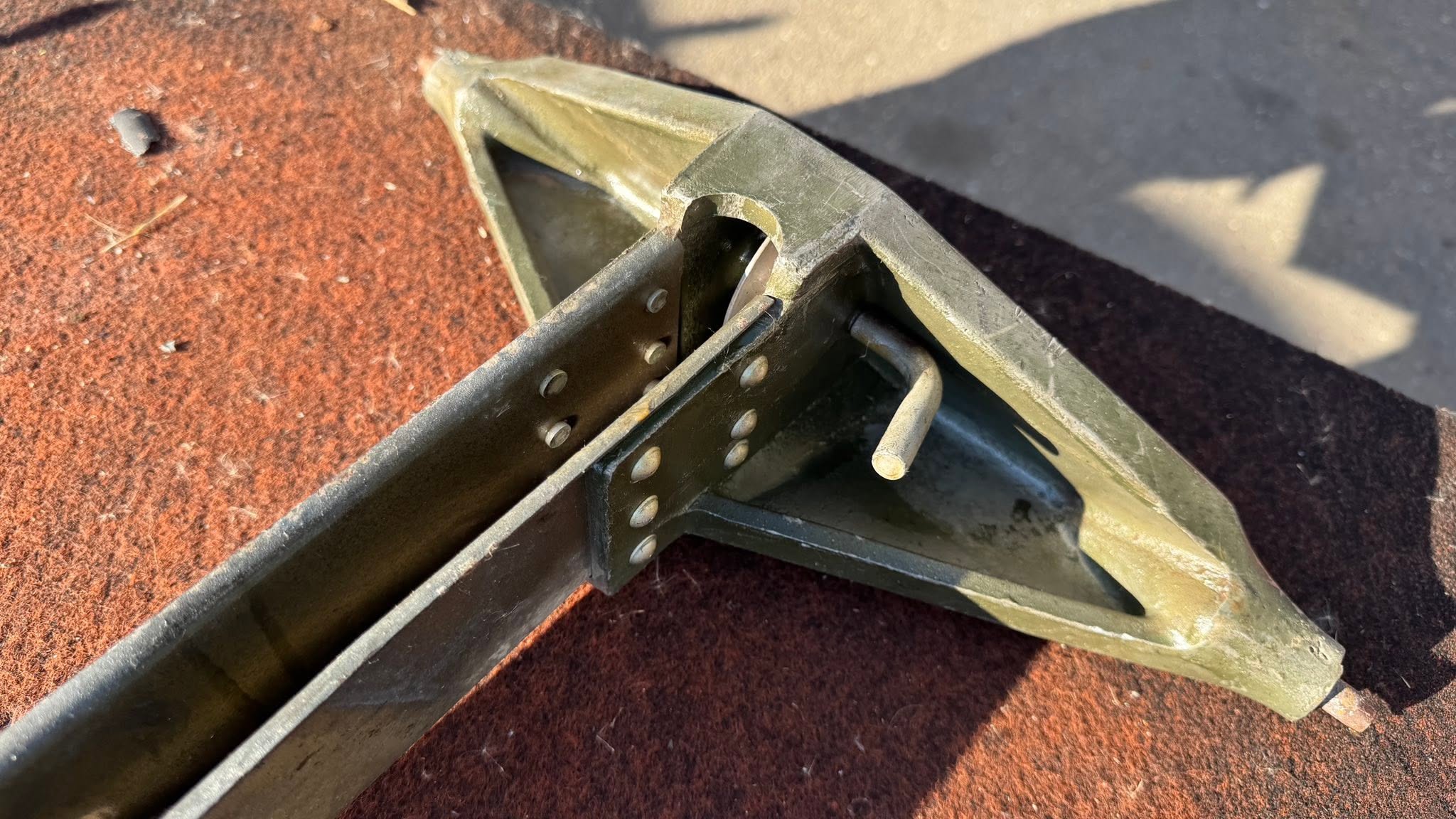
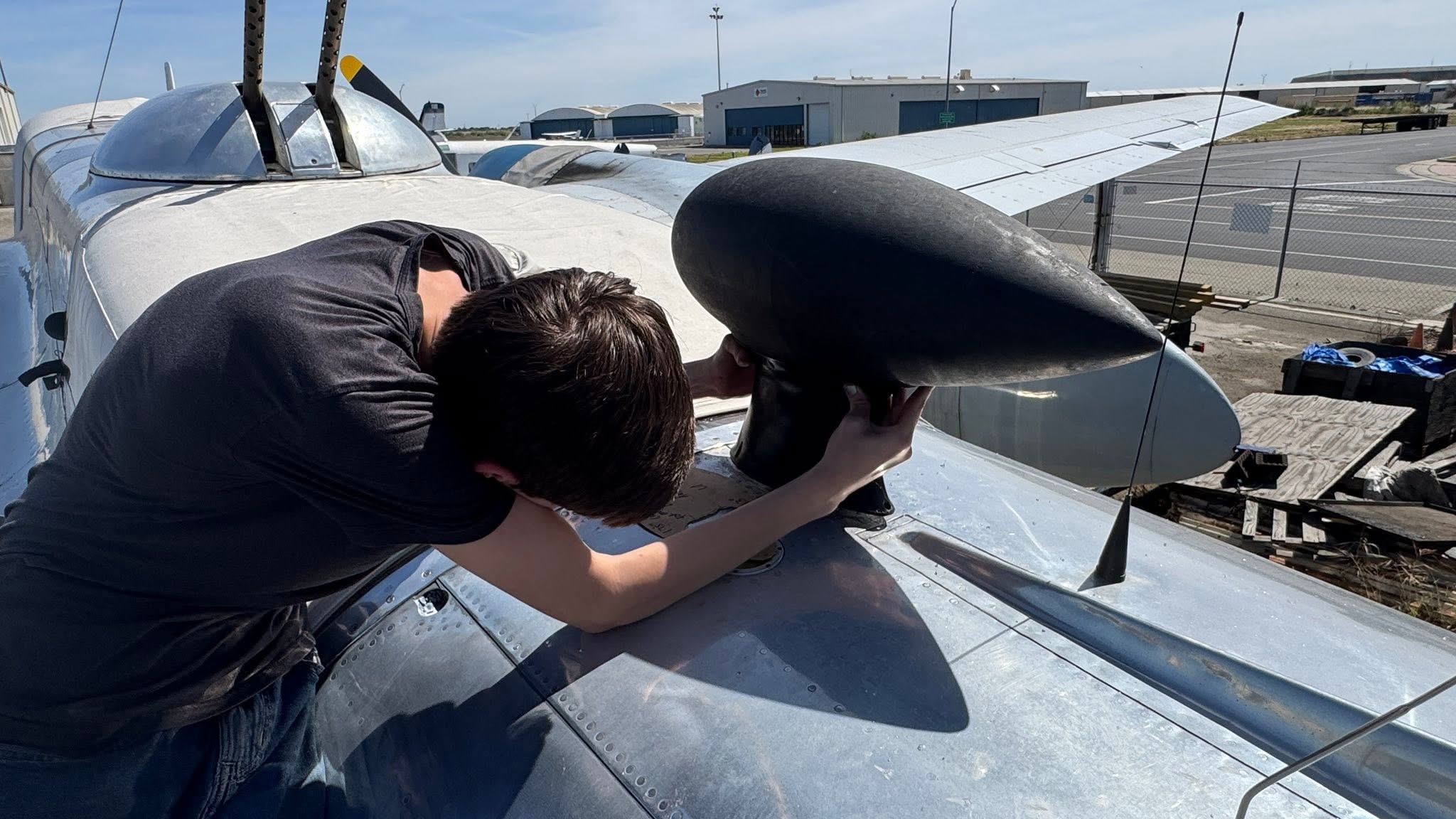
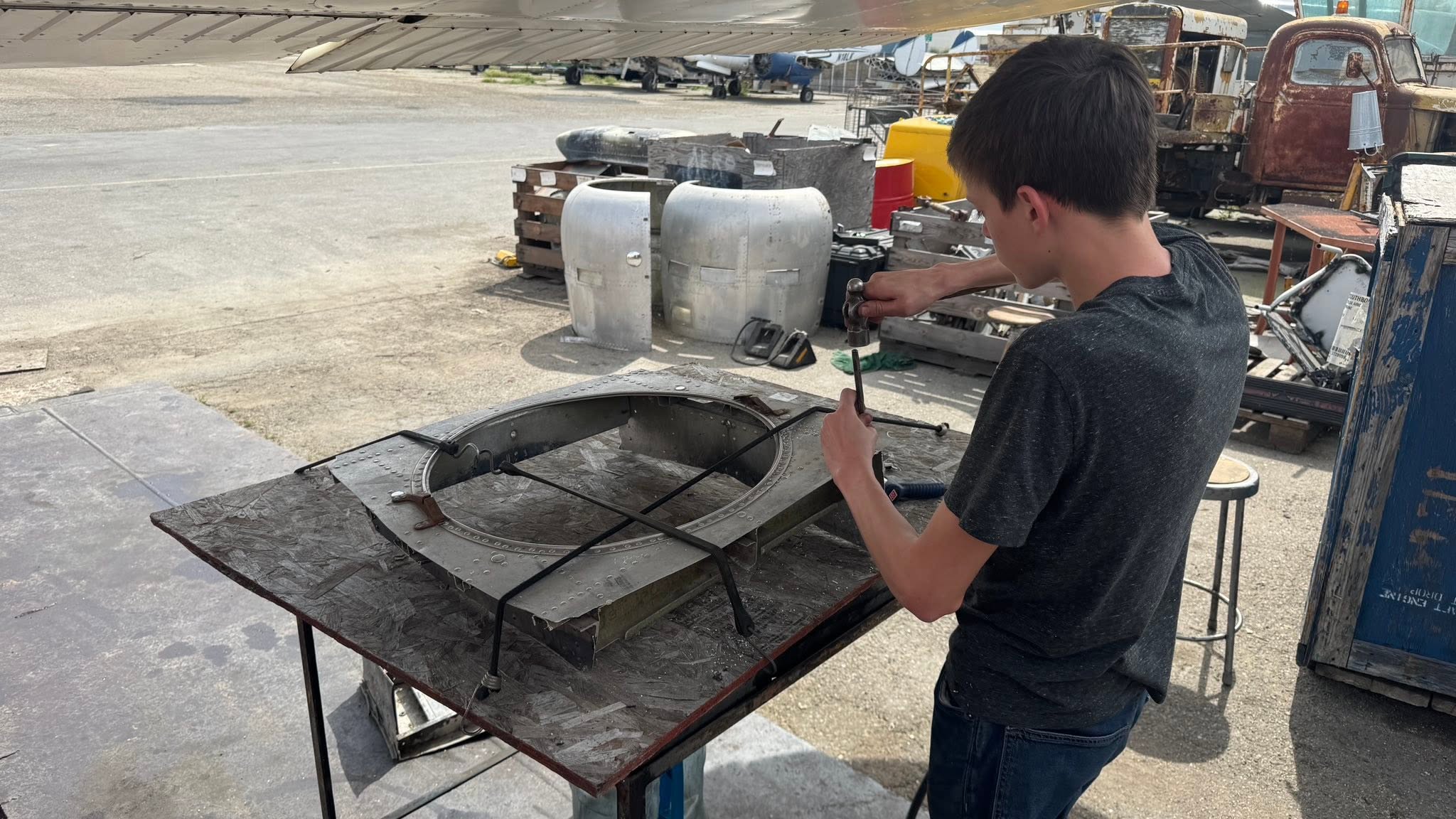
Today he worked on components in the gunners compartment, installed the original WWII ADF loop antenna on top of the aft fuselage and resealed the left leading edge between the fuselage and the engine. He is a smart kid and a quick learn. The best thing is that he will ask questions before exceeding his ability. We are so fortunate to have him as a volunteer. Thanks Logan, for your hard work and dedication. Well done Mom and Dad! Well done Logan!
I want to give a shout out and a hearty thank you to Jodi and company at North American Aircraft Service and Accessories LLC (formerly Aero Accessories) in San Antonio, Texas. We sent them the two carburetors off of our museums 1945 Douglas A-26 Invader for overhaul. They are super busy but were able to get our carbs fully overhauled, tested and shipped to us earlier than they said they would. We were able to make our commitment to the Travis Air Show last weekend thanks to Jodi and her crew. We have run several of these PT-13G carbs on our Harpoon and other aircraft and have always had trouble with them and the old school diaphragms. They would often act up and make hot starts a big pain as there was a fine line between going deep in to manual lean to get them to run without loading up and idle cut off. Like a 1/32 of an inch difference which is not right. Well Jodi is using new silicone diaphragms for the overhauls and and it has made such a massive difference. It has restored my faith in Bendix PT-13G's and they are acting they way that they should. Regular starts and especially hot starts are a non event now. No longer do you need to use manual lean at all for ground ops. Thank you for fixing the old diaphragm issue with these carbs! I am told that they will not need soaking and will remain pliable for the long life of these new diaphragms. Please spread the word about these good folks and the new silicone diaphragms. I am one happy customer as are the two big Pratt & Whitney's on the museum's A-26.
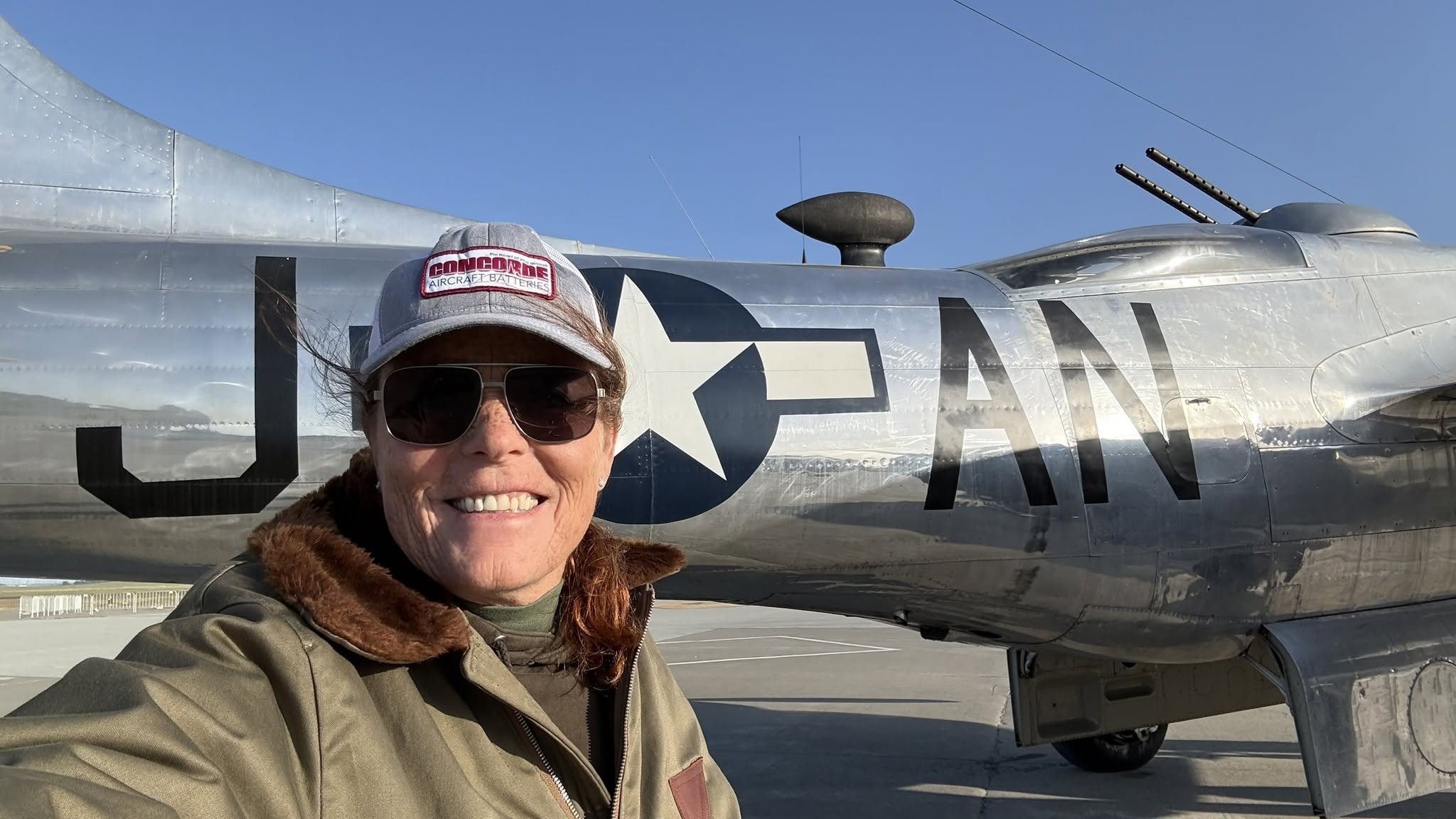
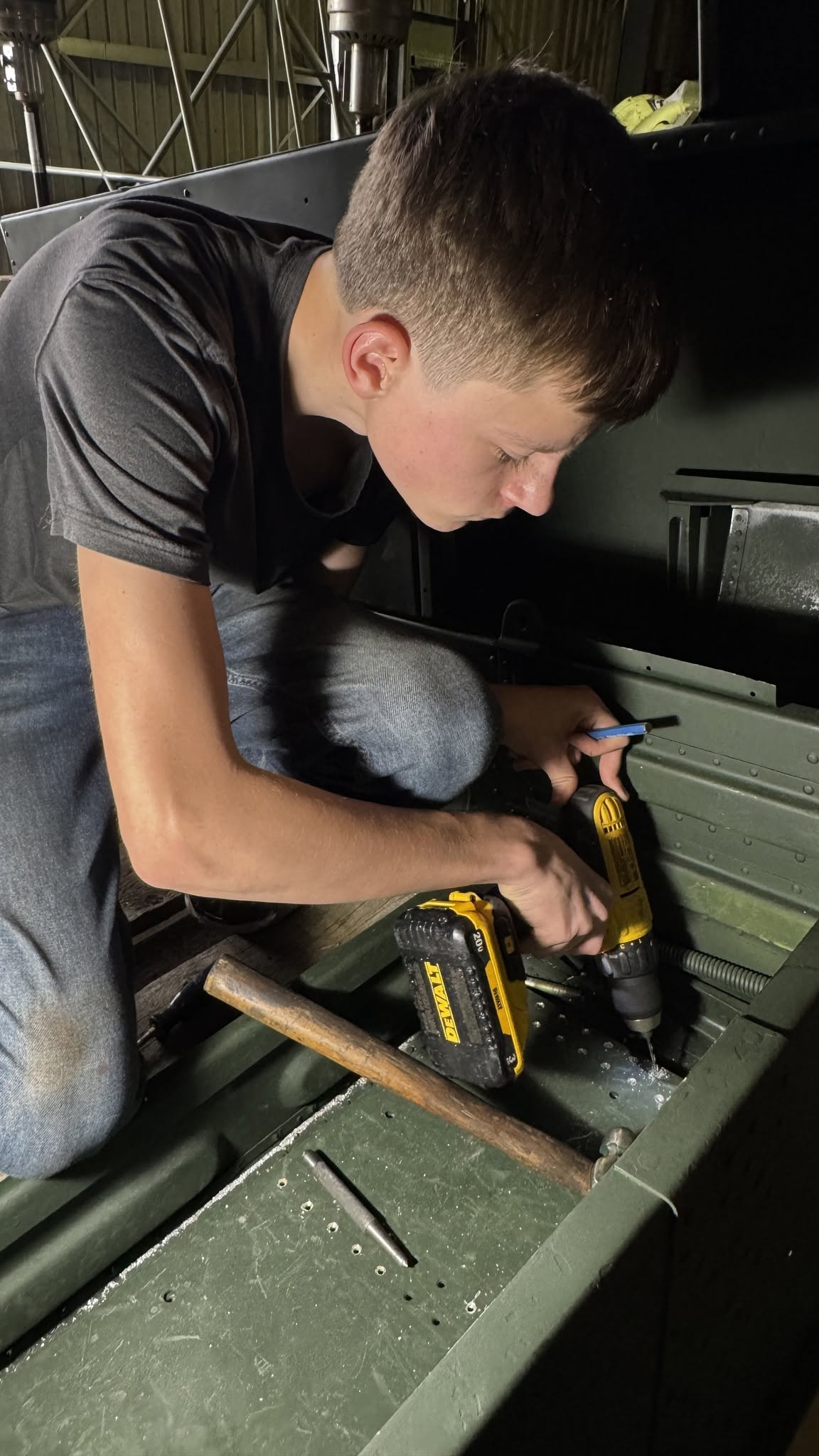
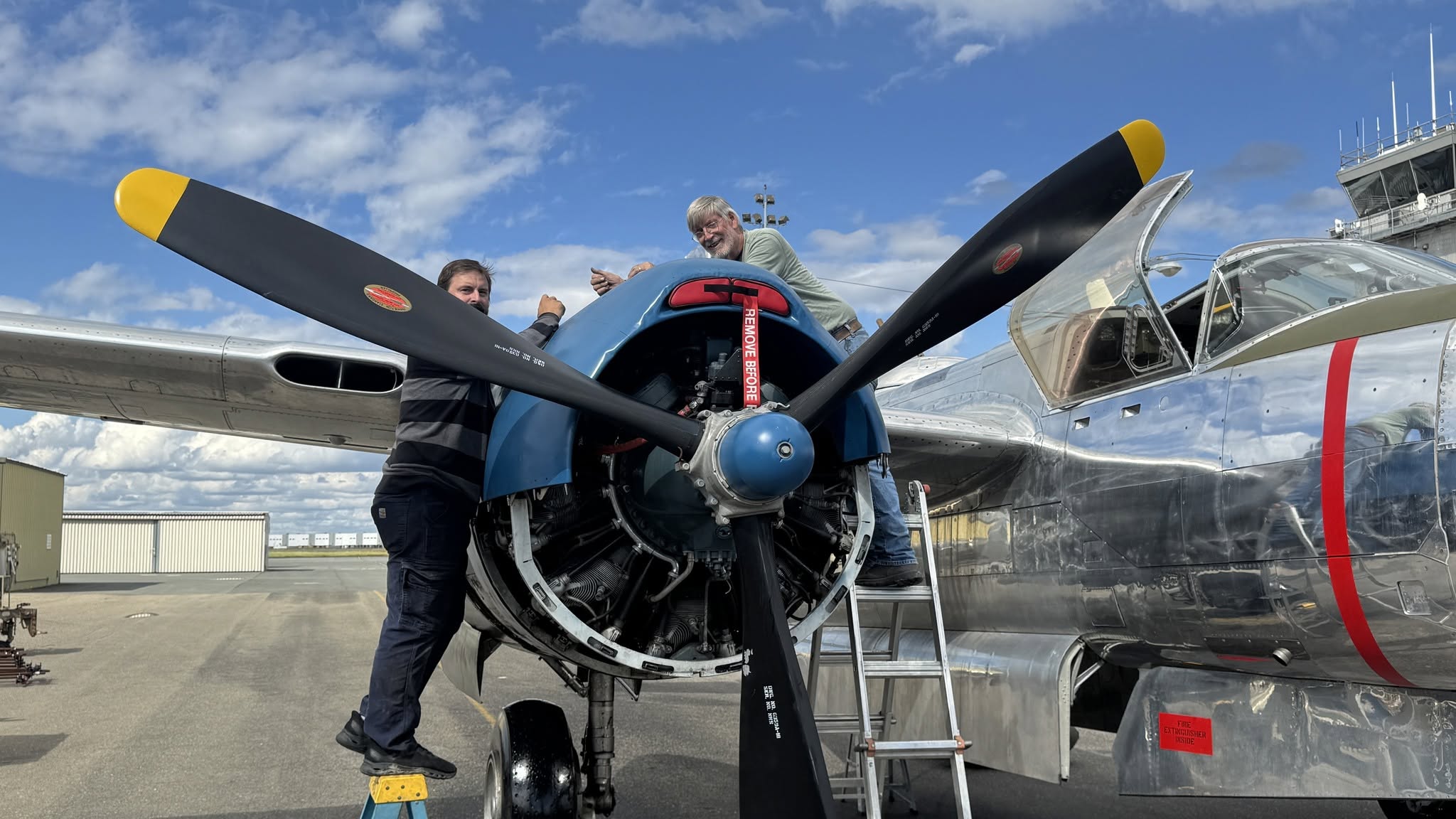
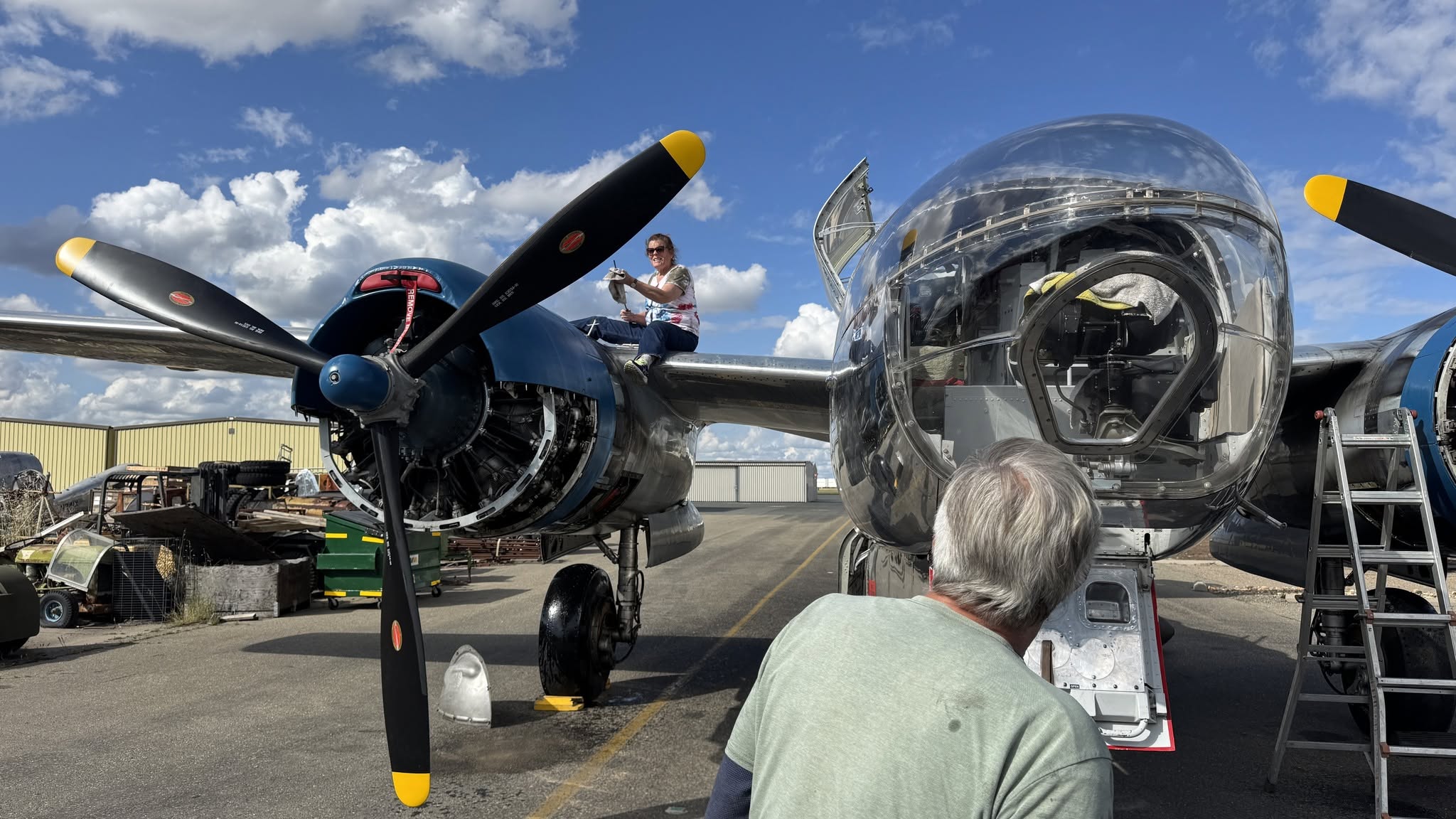
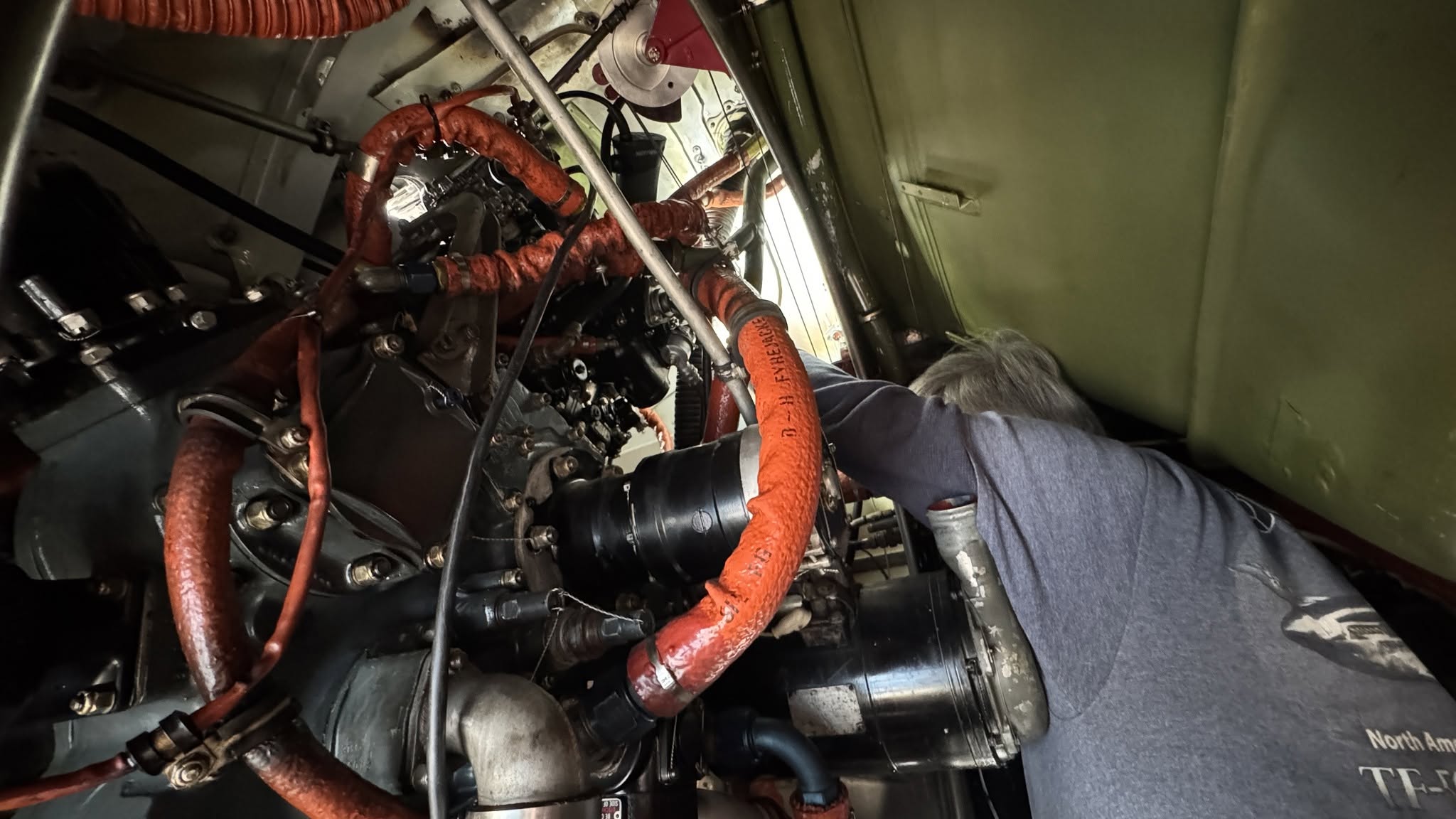
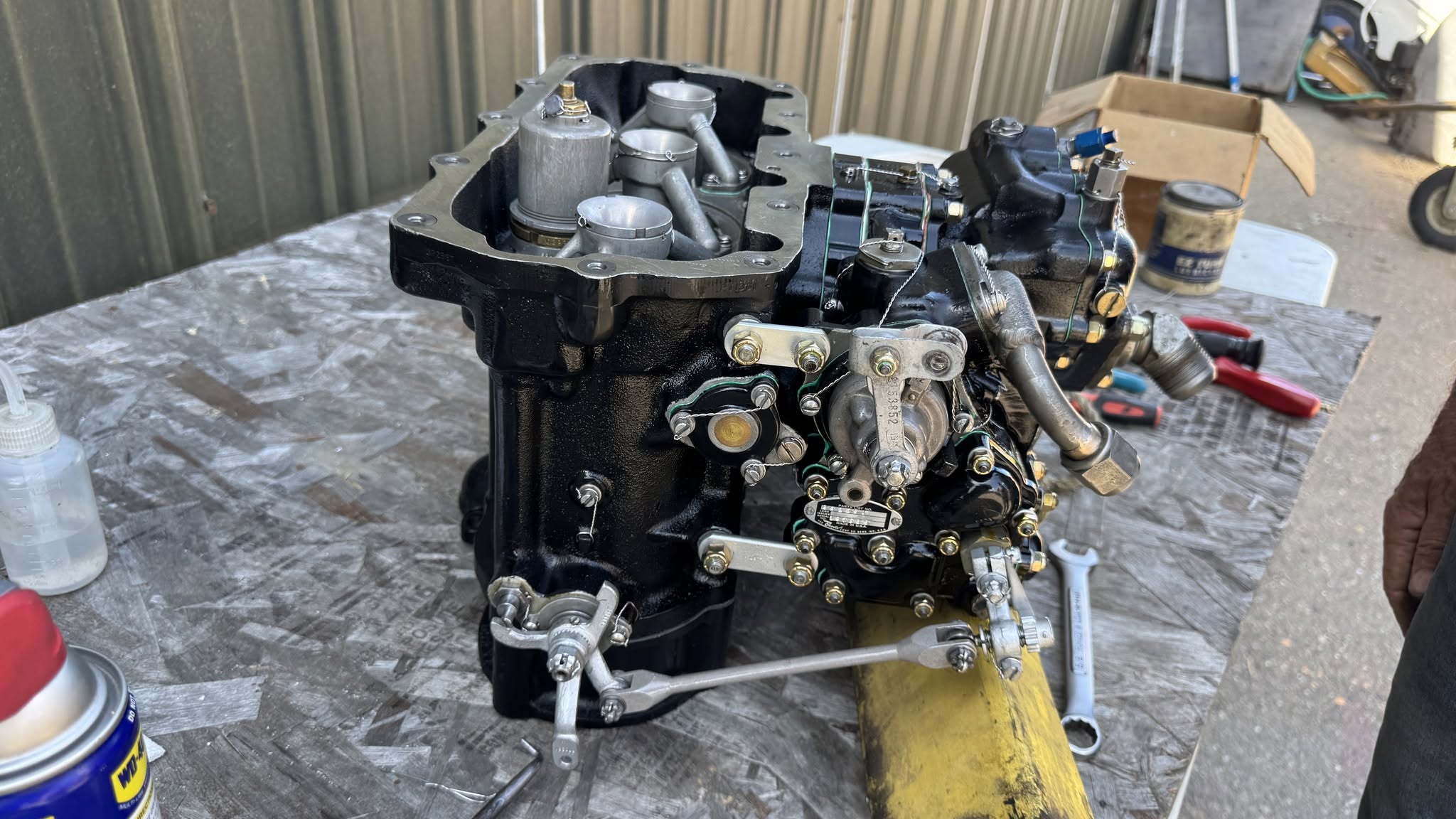
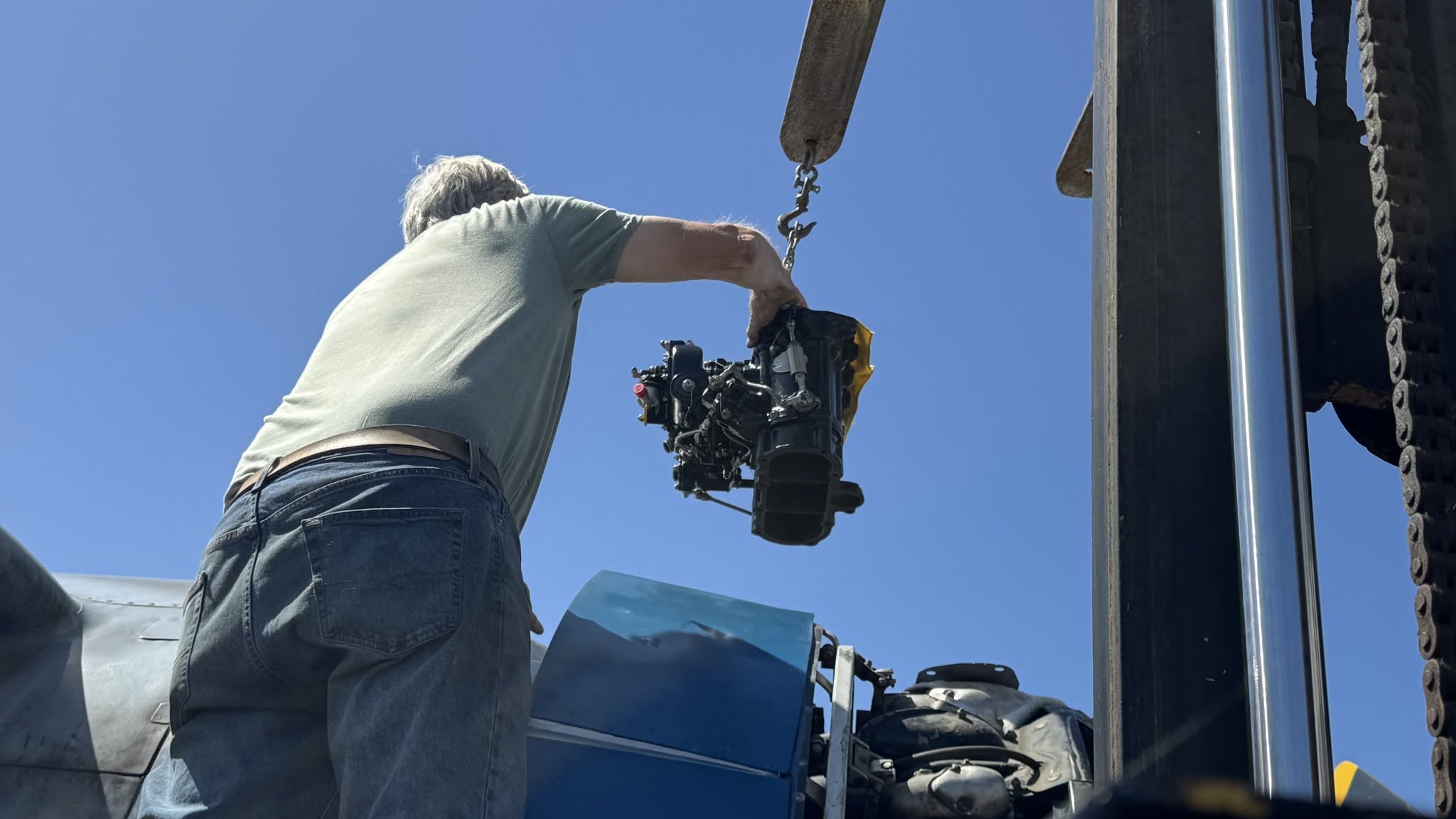
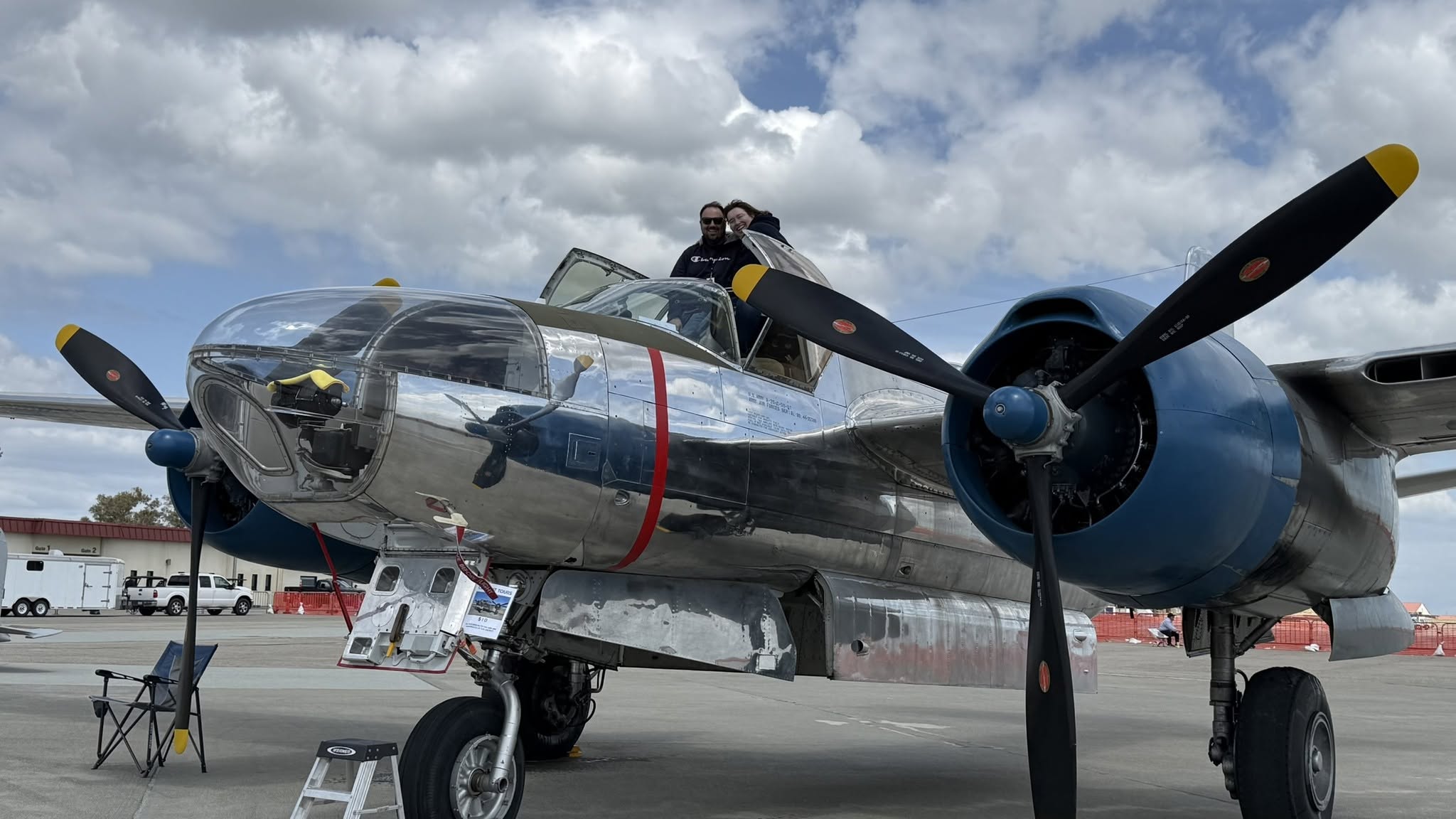
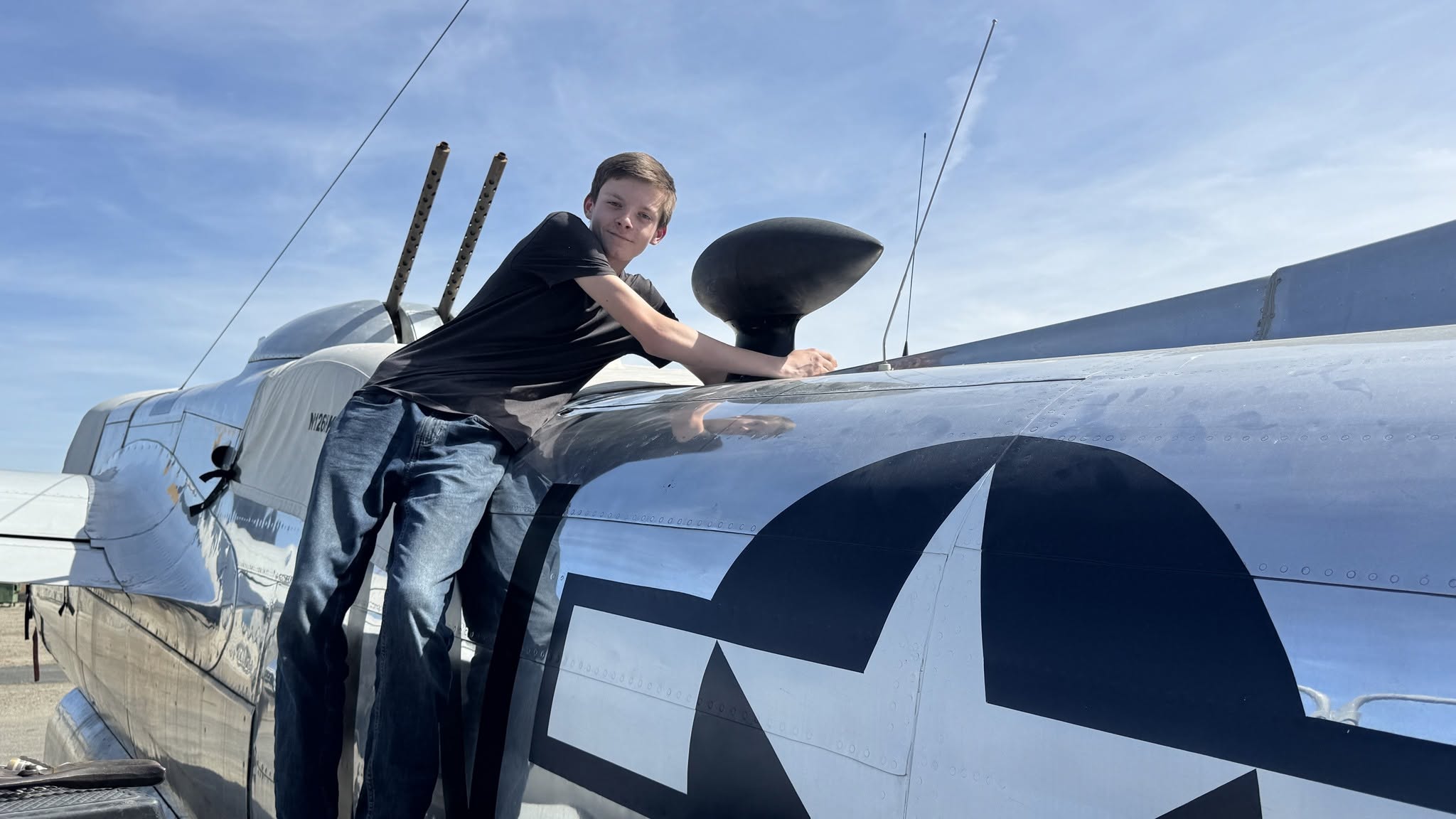
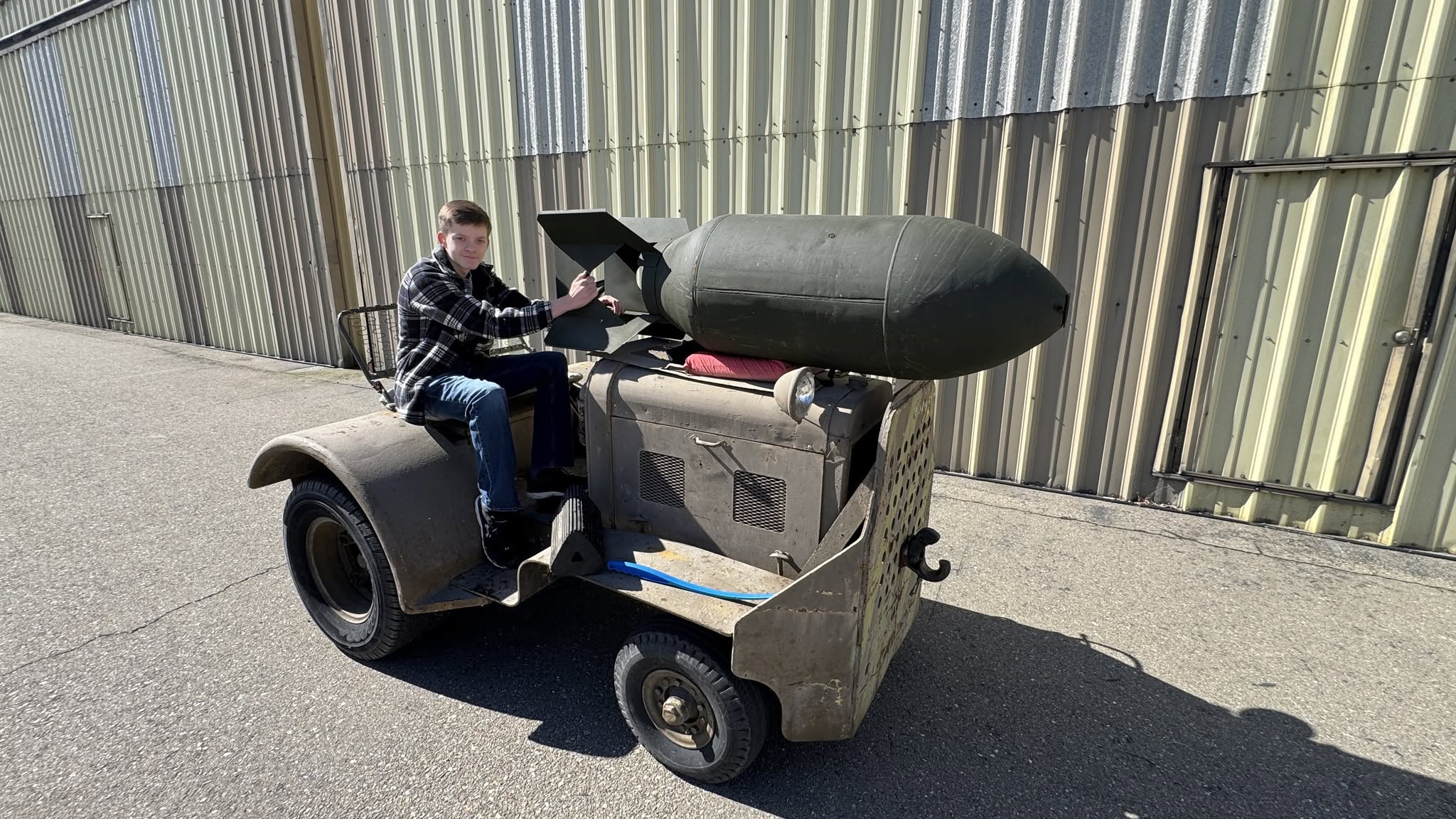
I also want to give a big shout out to Richard and Edward Clausen and the crew at Vintage Aircraft for their hard work to get the new carbs installed and rigged in time to make the show. Well done guys and gals, Sydney and Clay. We cant forget our museums young and capable new volunteer, Logan for kicking butt on restoration work and even his copilot duties as he runs a mean checklist! Last, but certainly not least, is Jan for stepping up to make the insurance and everything else happen. If it wasn't for her efforts, then none of this would have been possible in the first place. What a crew! What a team! I couldn't be more proud!! The A-26 thanks you all too!
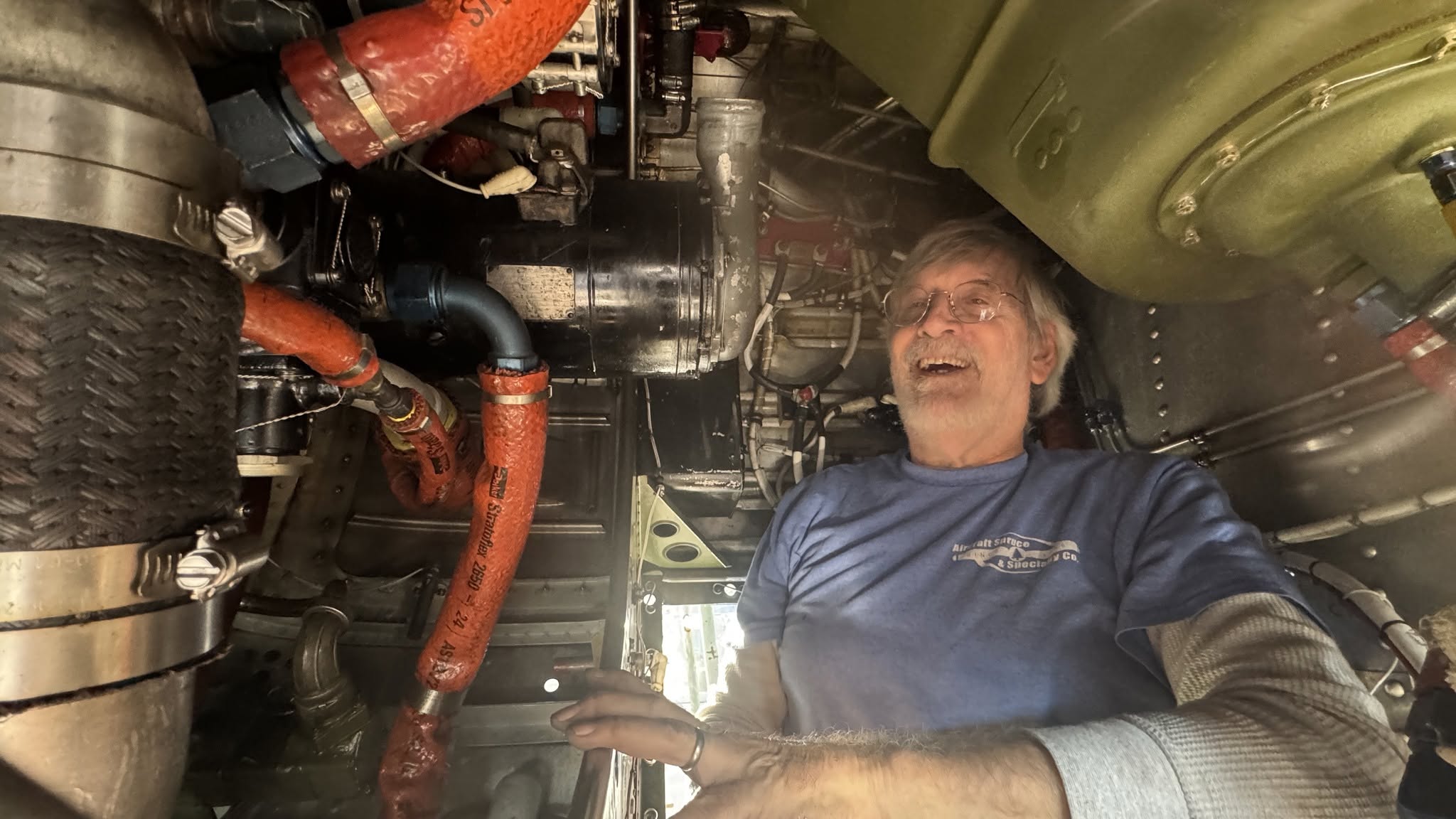
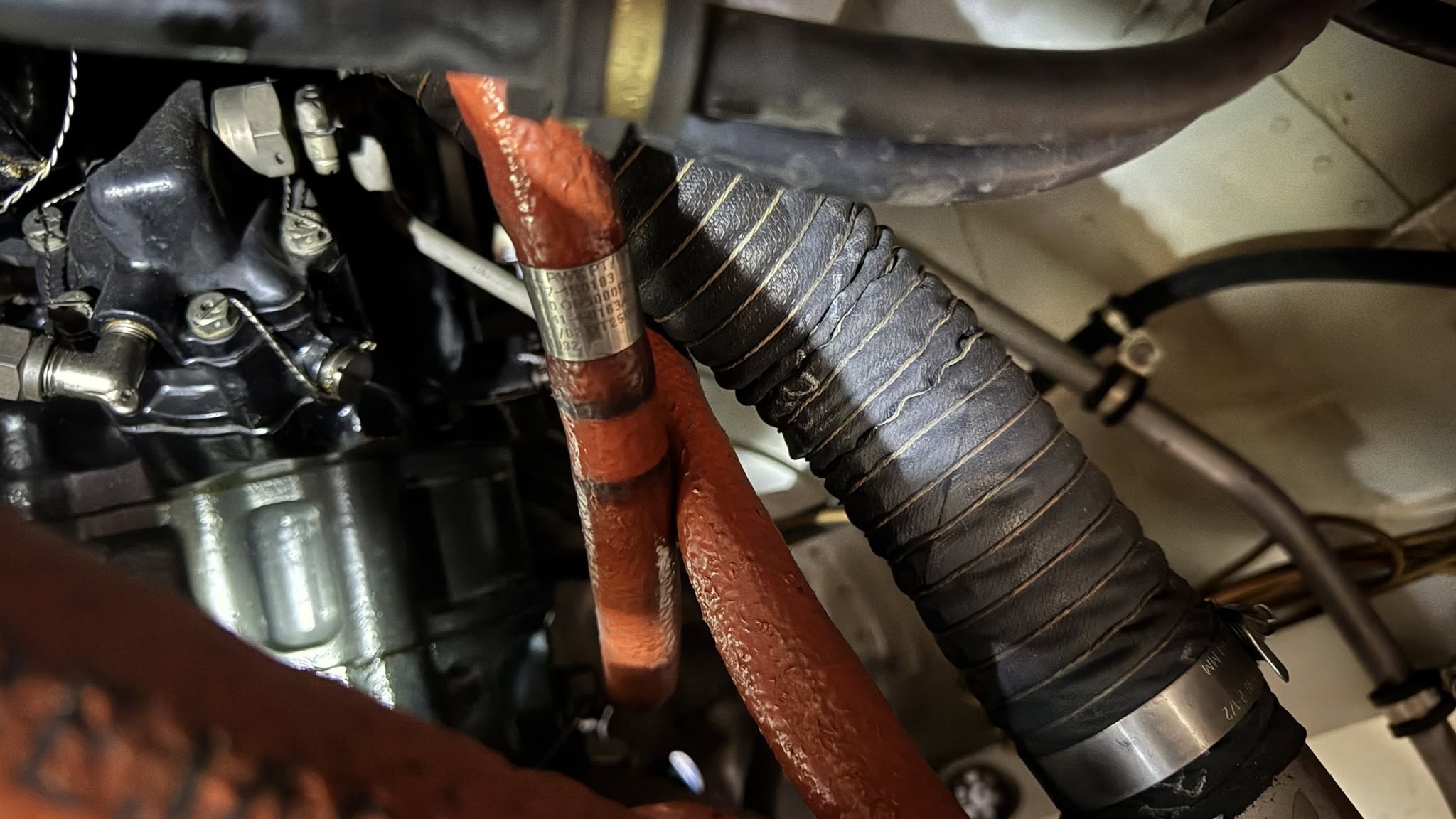
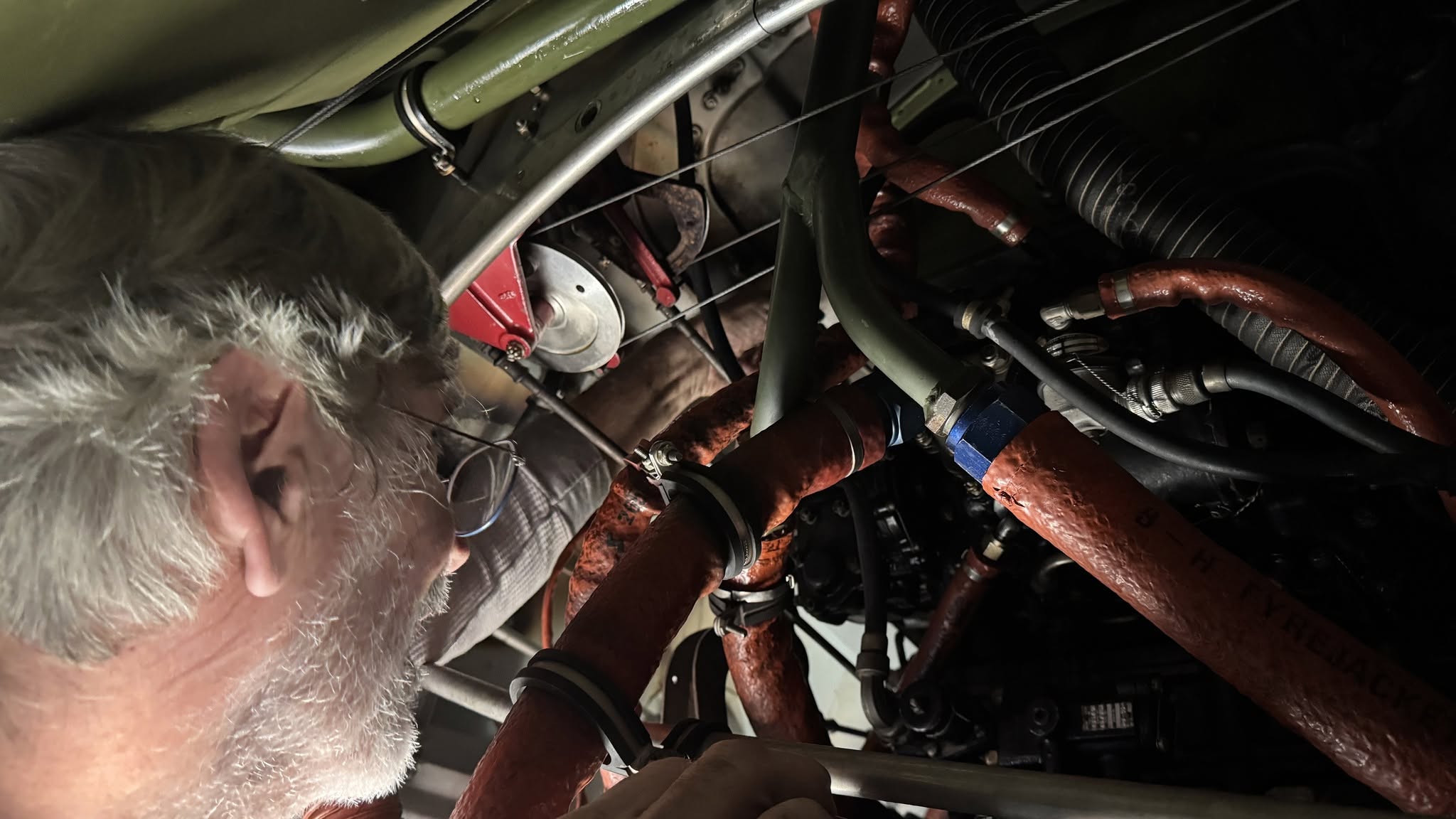
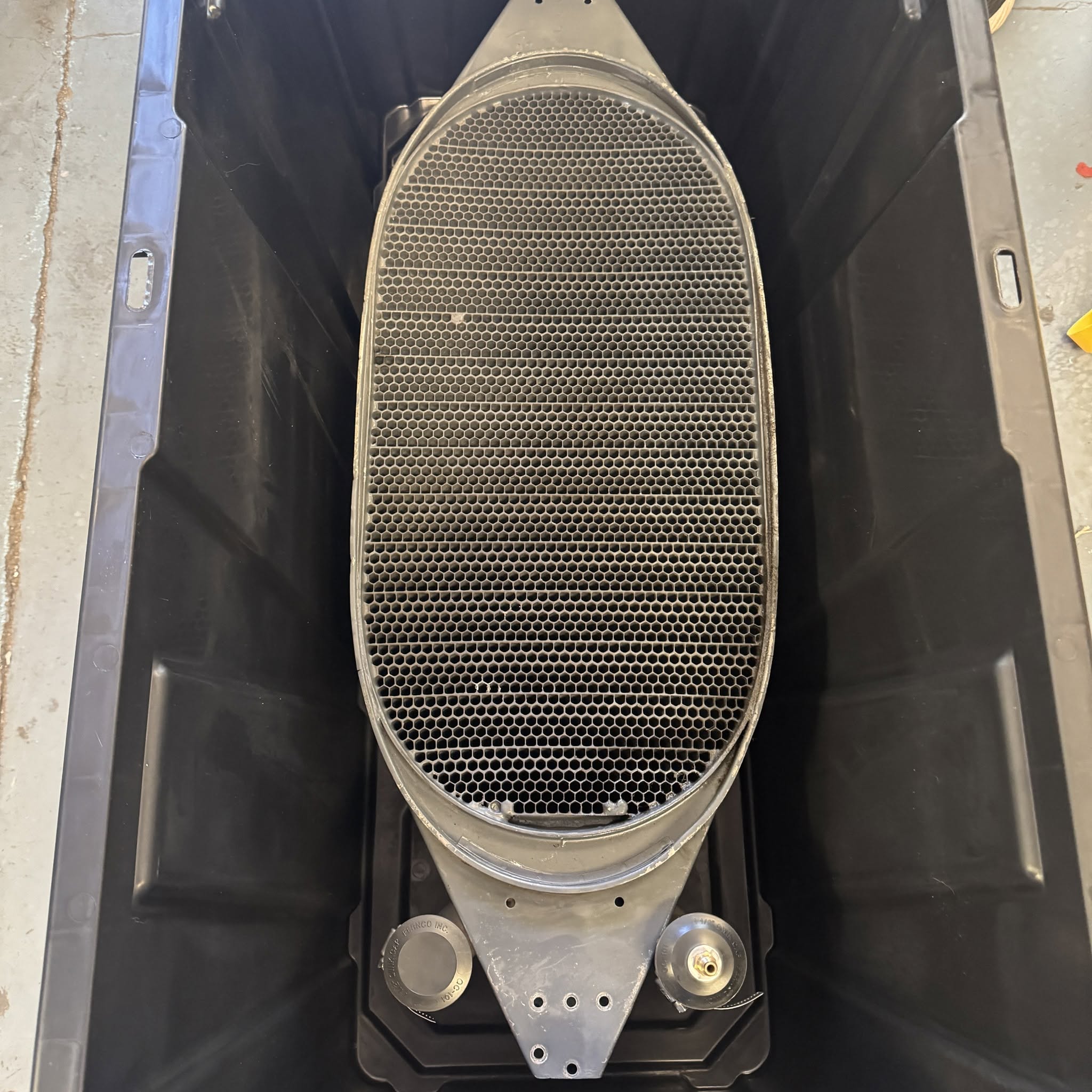
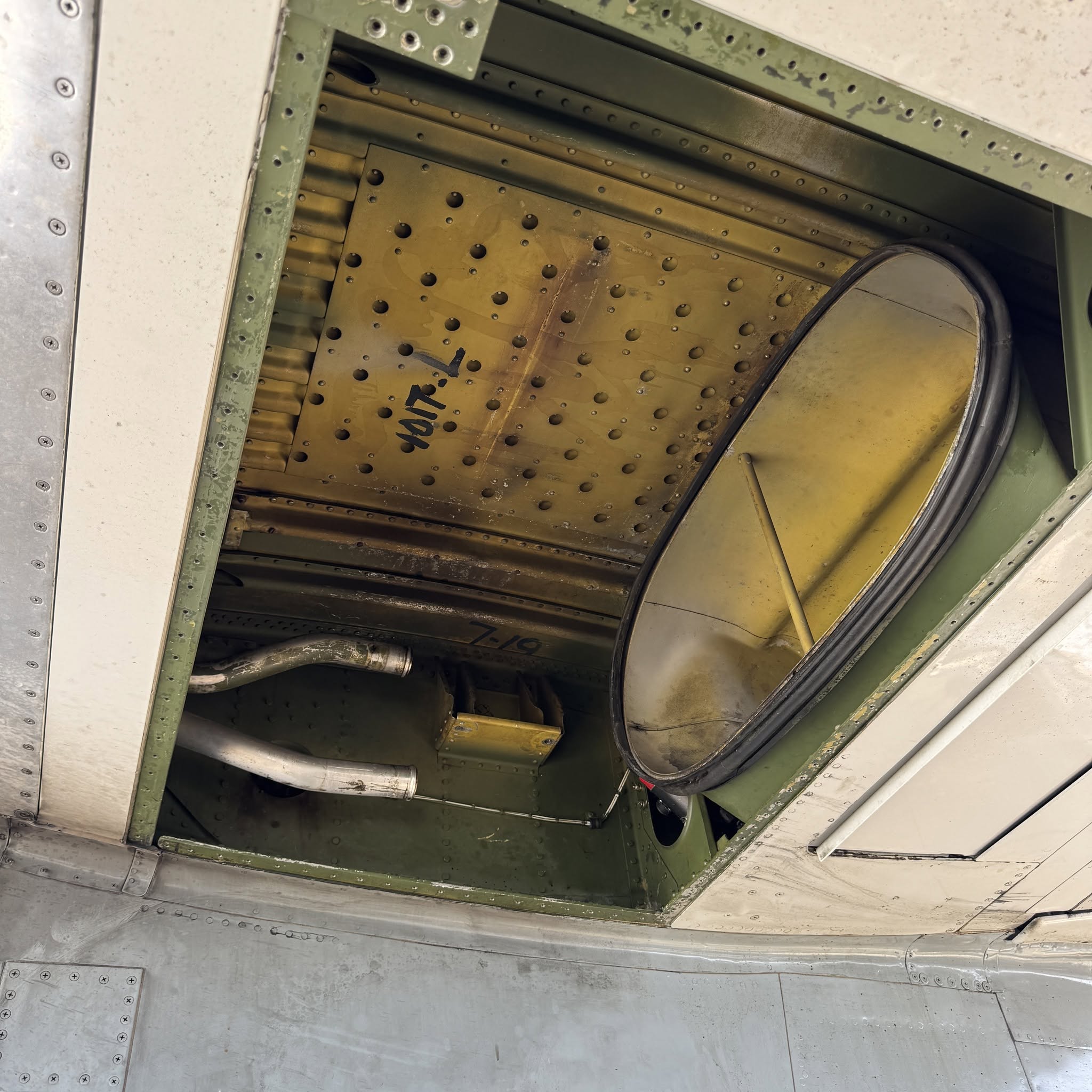
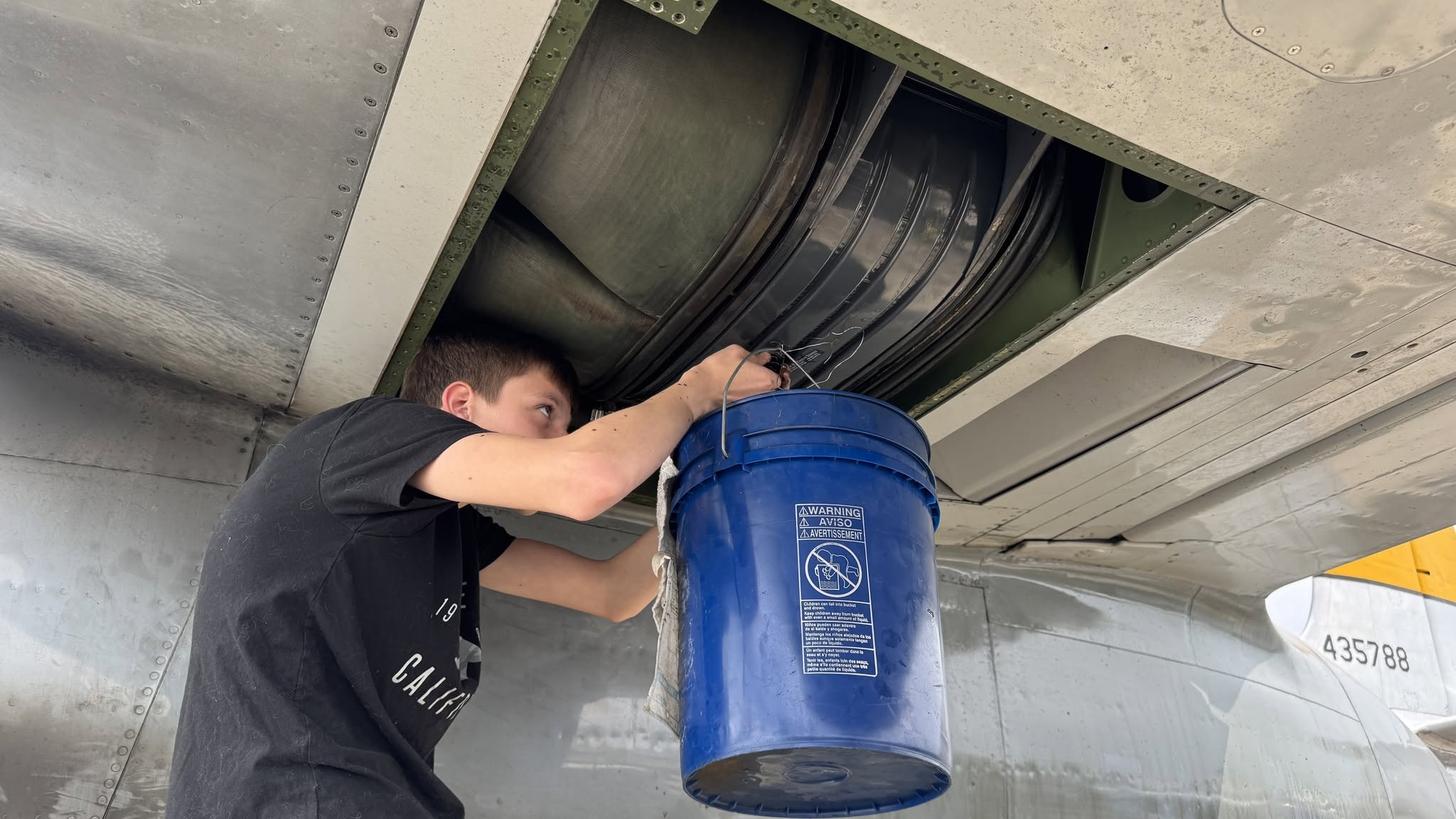
The left oil cooler on the A-26 The left oil cooler has been leaking so out it came. We found a tub big enough for it to take a bath and found one tube leaking air while submerged. The surge valve was also weeping so we resealed it and now the cooler is air tight. Working on getting it back in today. The first photo shows Logan, our 16 year old volunteer, getting to know Aeroshell 120W. Thanks to Pacific Oil Coolers for sending us the seals and gaskets in a timely manner. On to the next project.
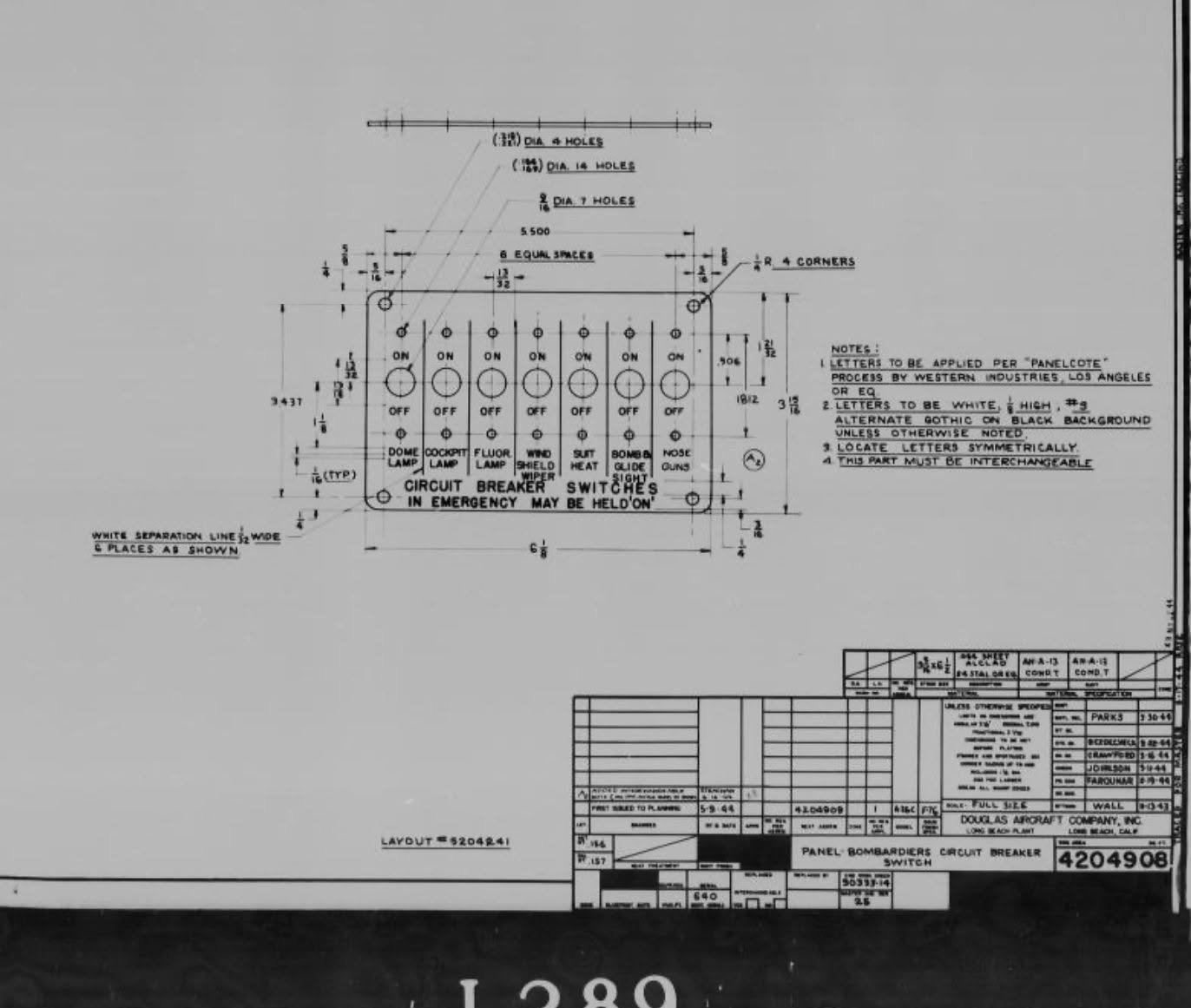
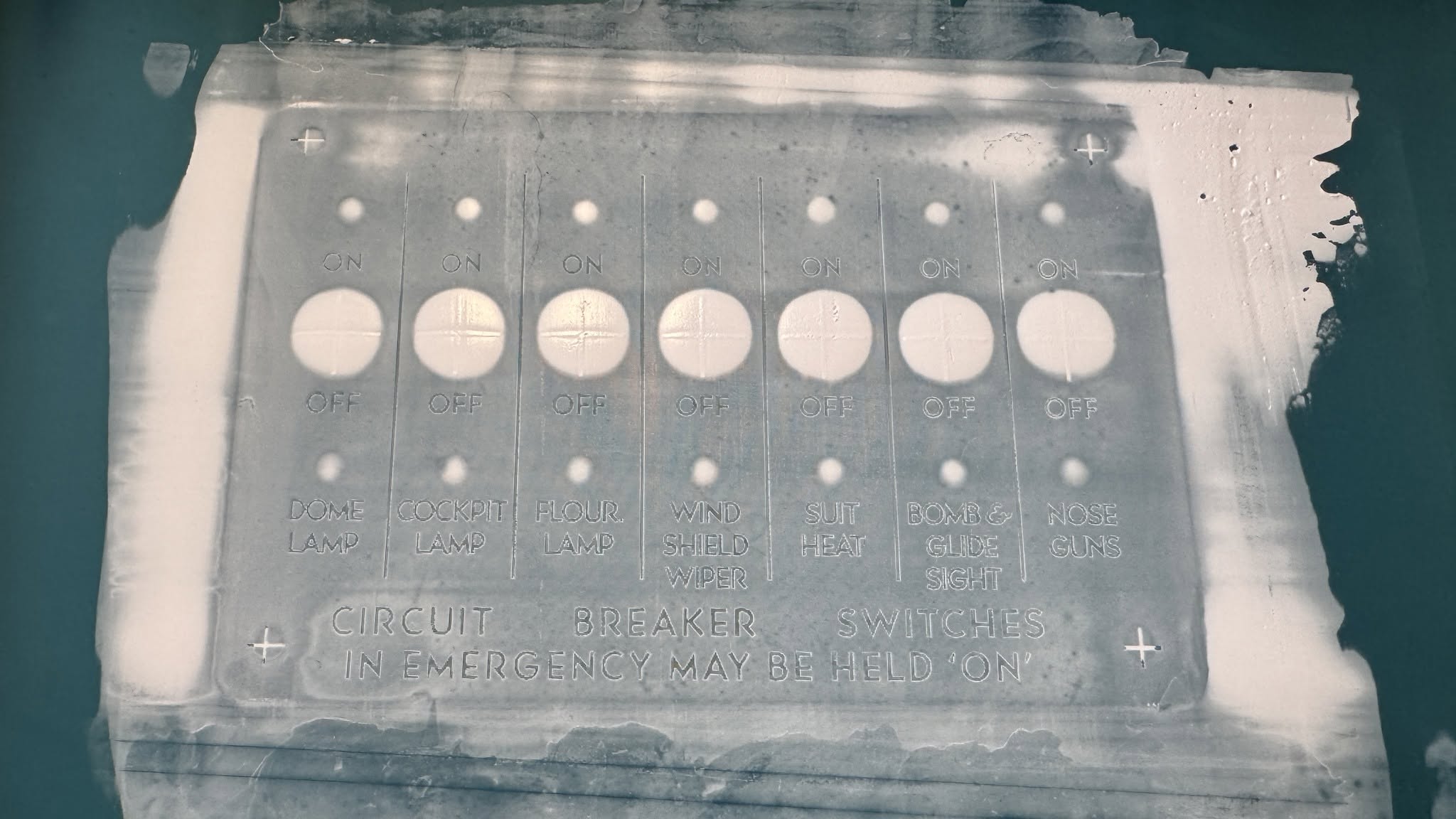
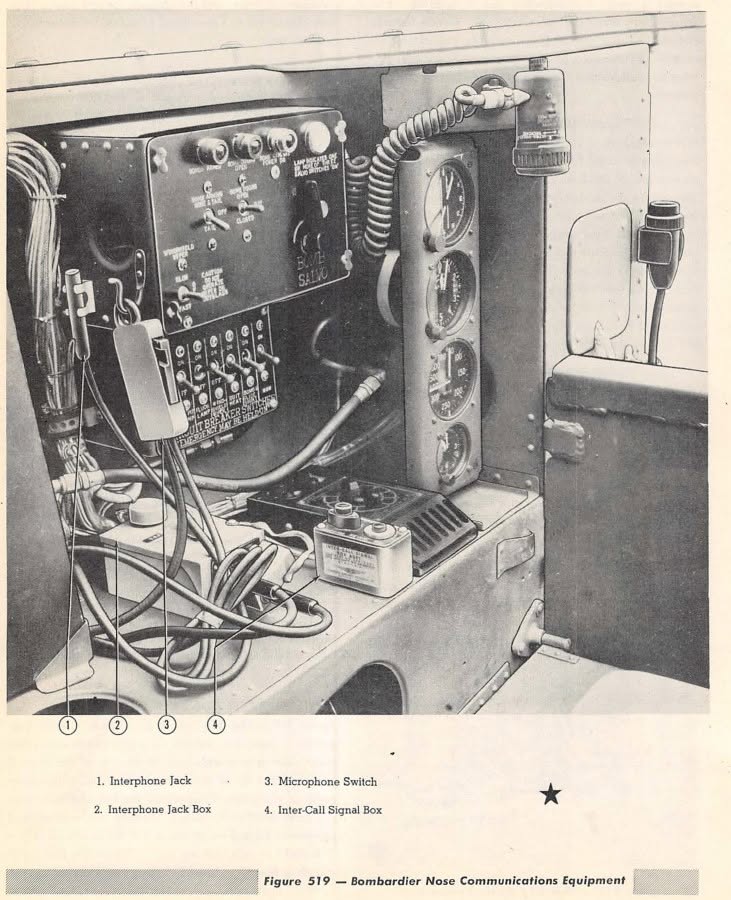
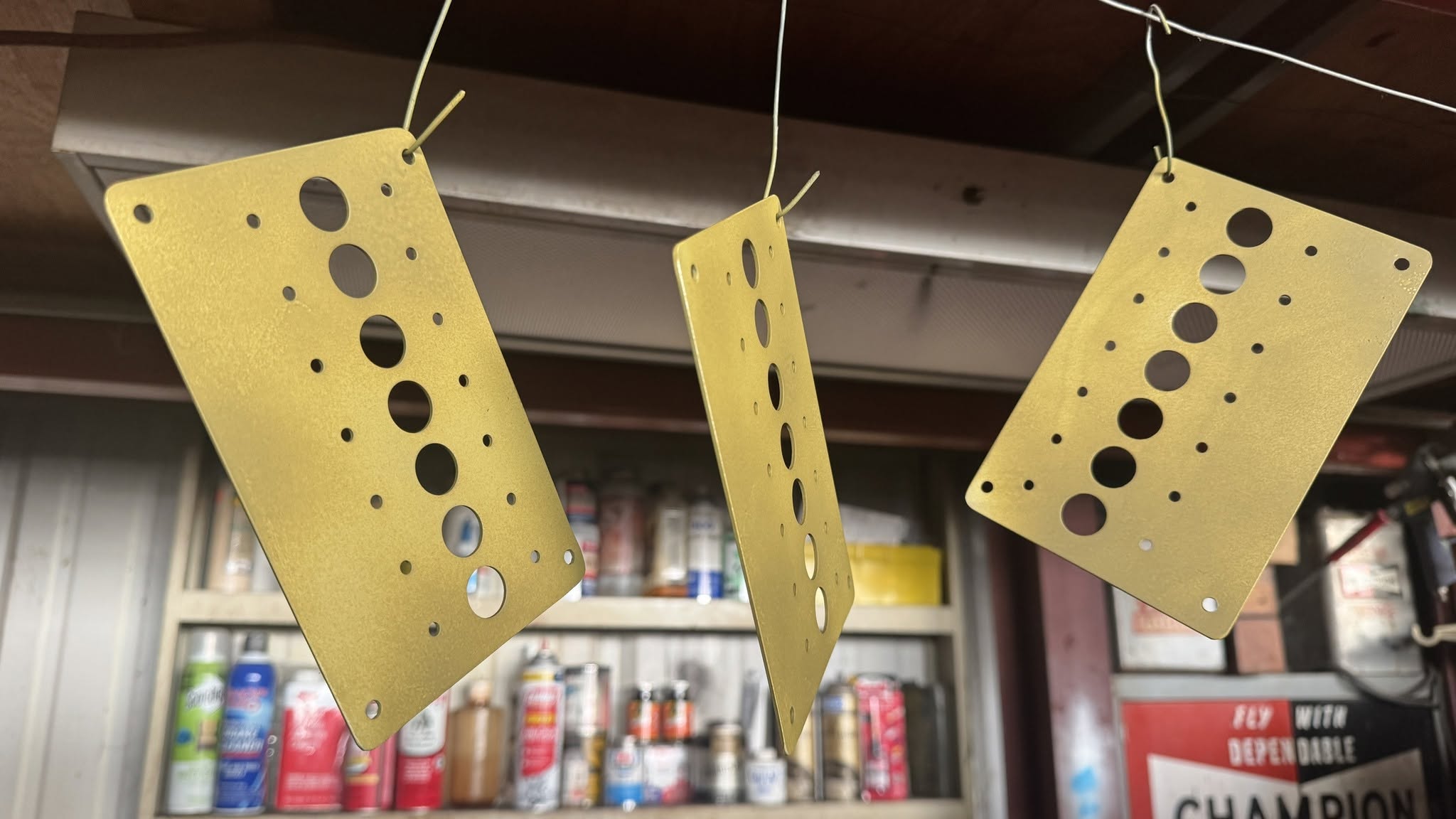
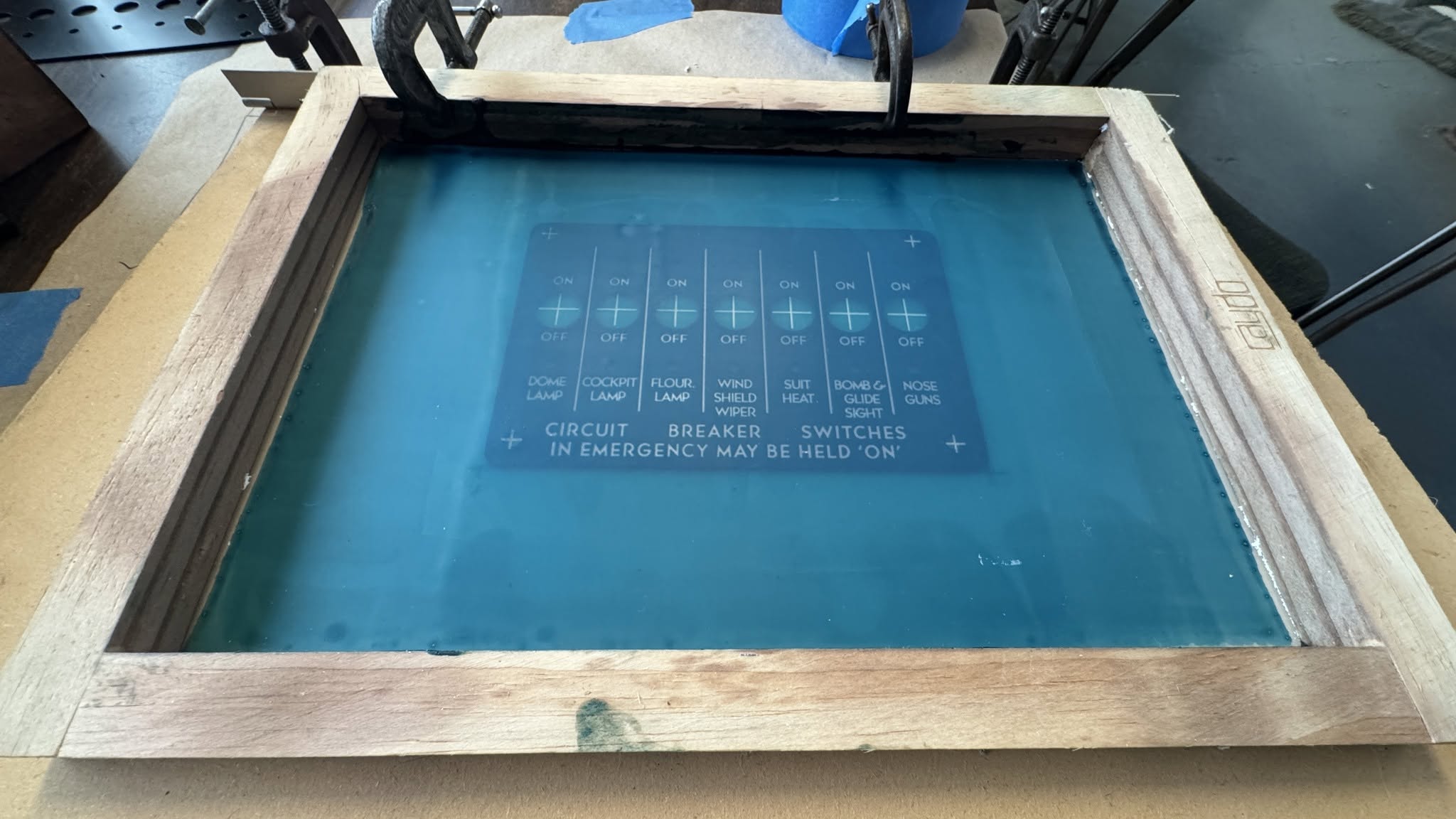
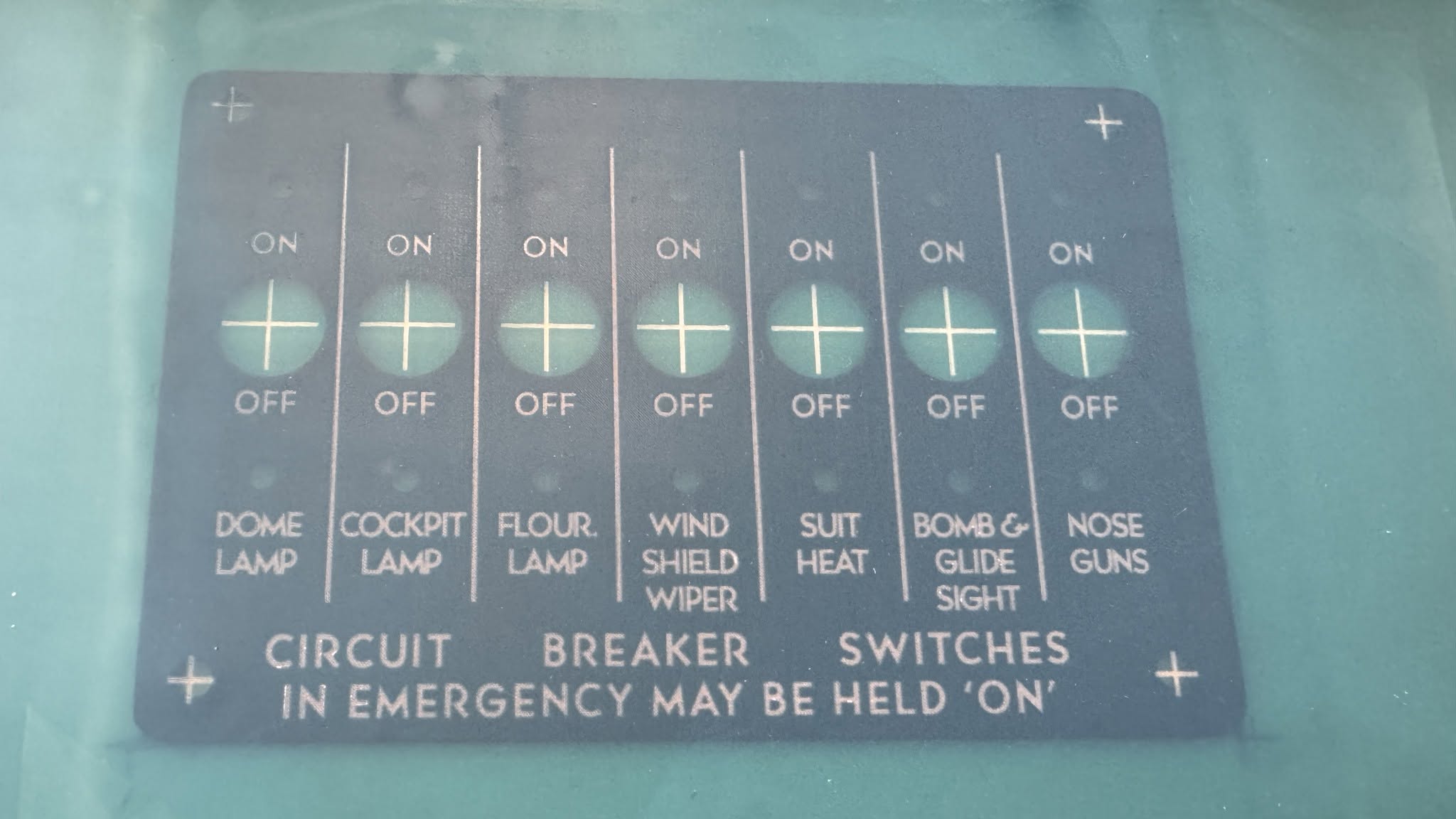
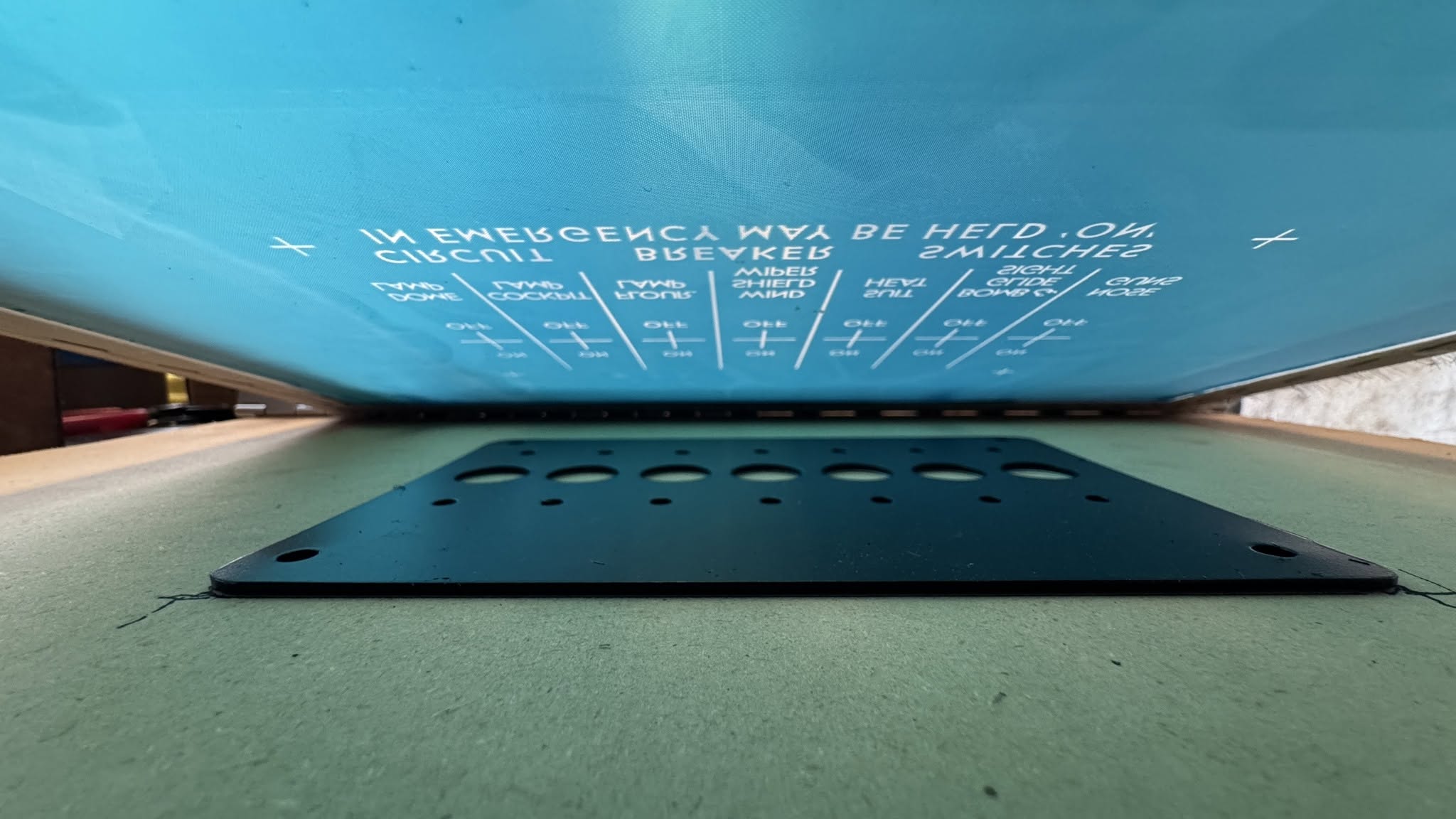
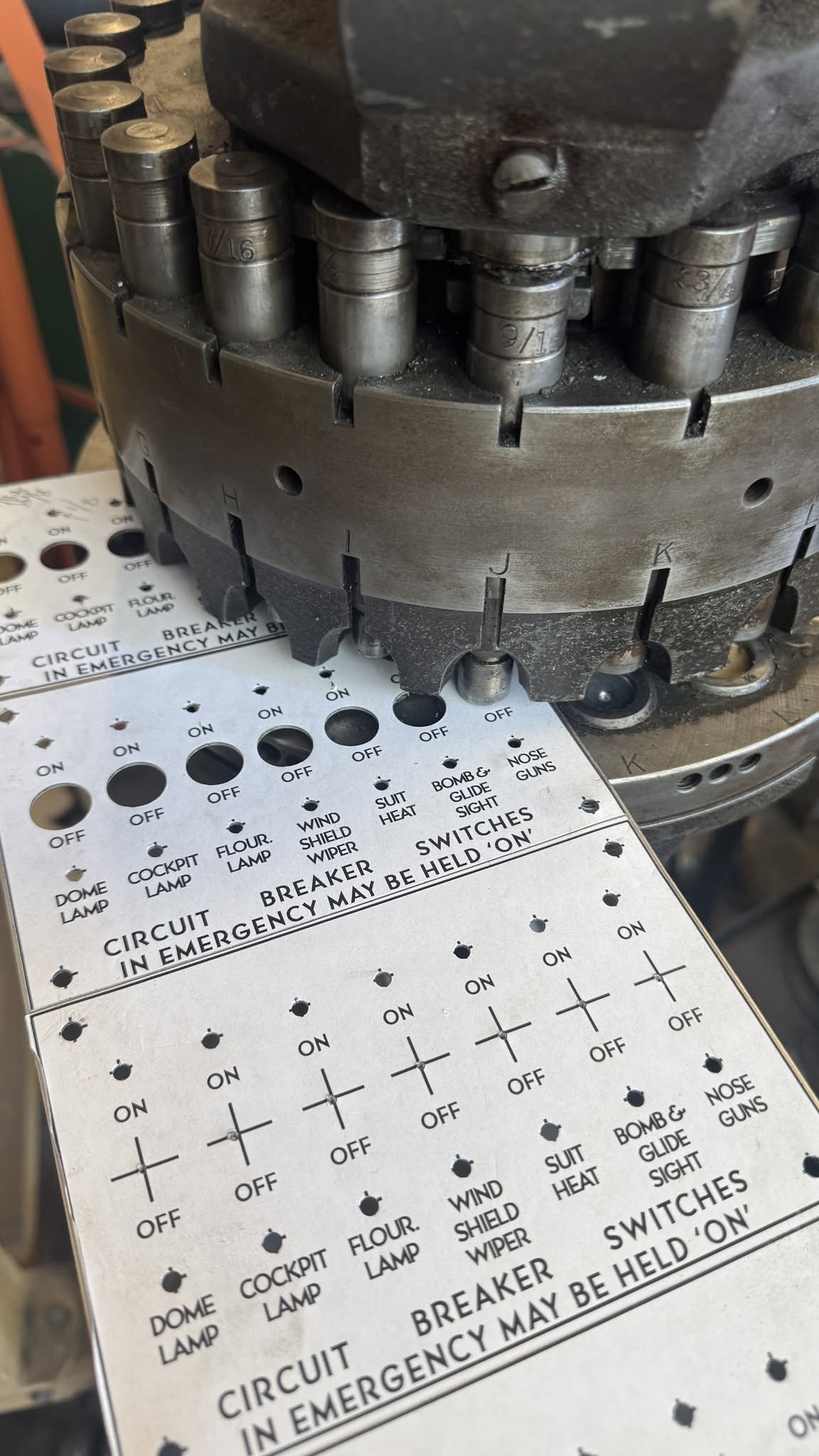
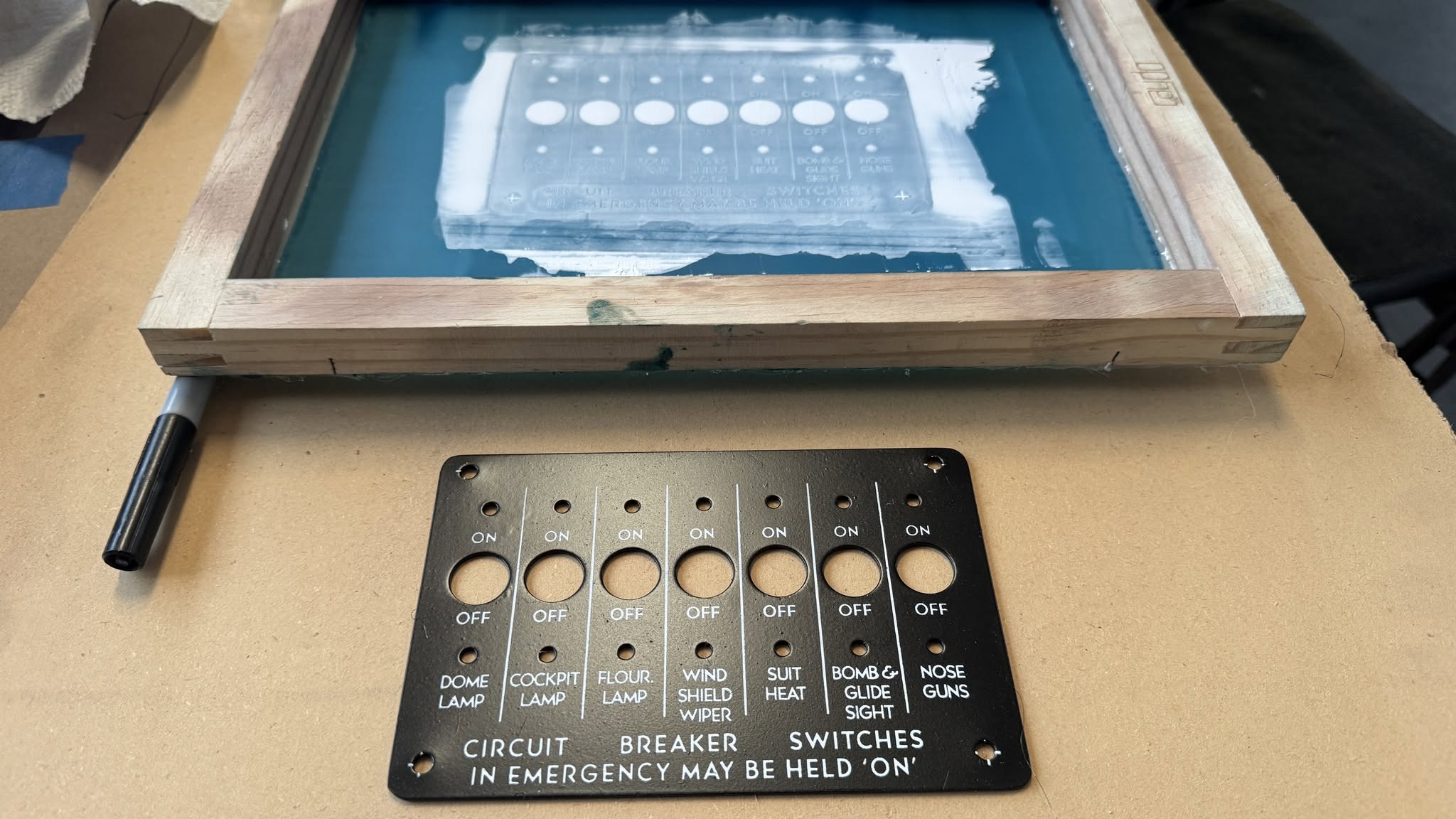
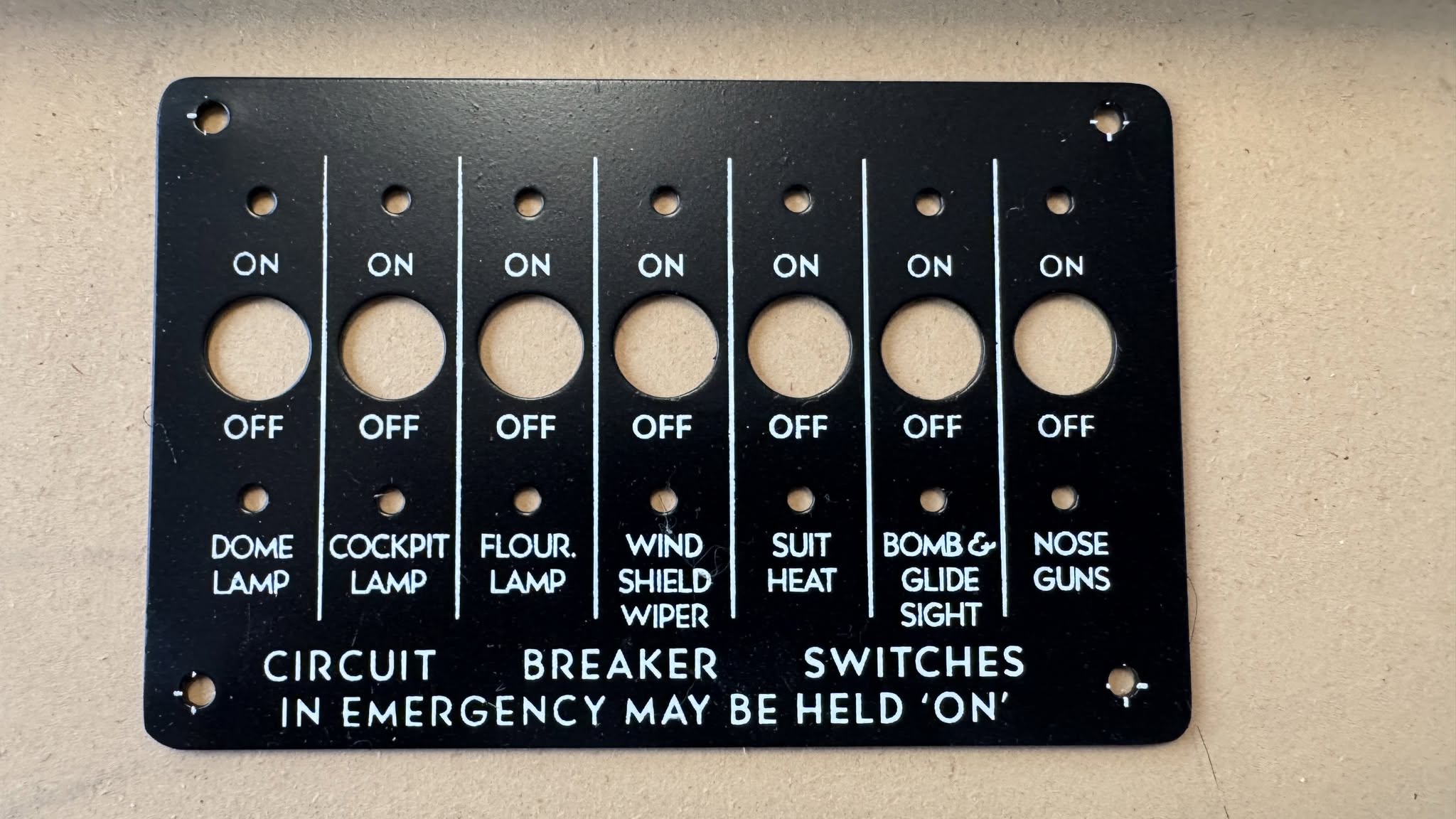
Speaking of projects, I had been wanting to learn screen printing for a while so why not dive in. The A-26 bombardiers nose has an electrical control panel with breaker switches for various devices up front. The panel was screen printed as are a lot of WWII aircraft components. Sometimes you can even see the screen mesh in the old lettering or decals. The process involves doing the artwork and Sydney beat her head against it for a while. Was it fun Syd? She did a great job and made it right to the production drawing. The artwork is used to make the part by spray gluing a print to the metal and cutting and punching it out as needed. The art is then printed out on a transparency sheet to use to make the screen. A light sensitive coating is put on the screen and after it dries the artwork it put on and the screen is exposed to UV light which fixes or cures the exposed portions. When rinsed with water the unexposed film washes away leaving the lettering open to allow the ink to pass through the screen. Cool old process with nice results.
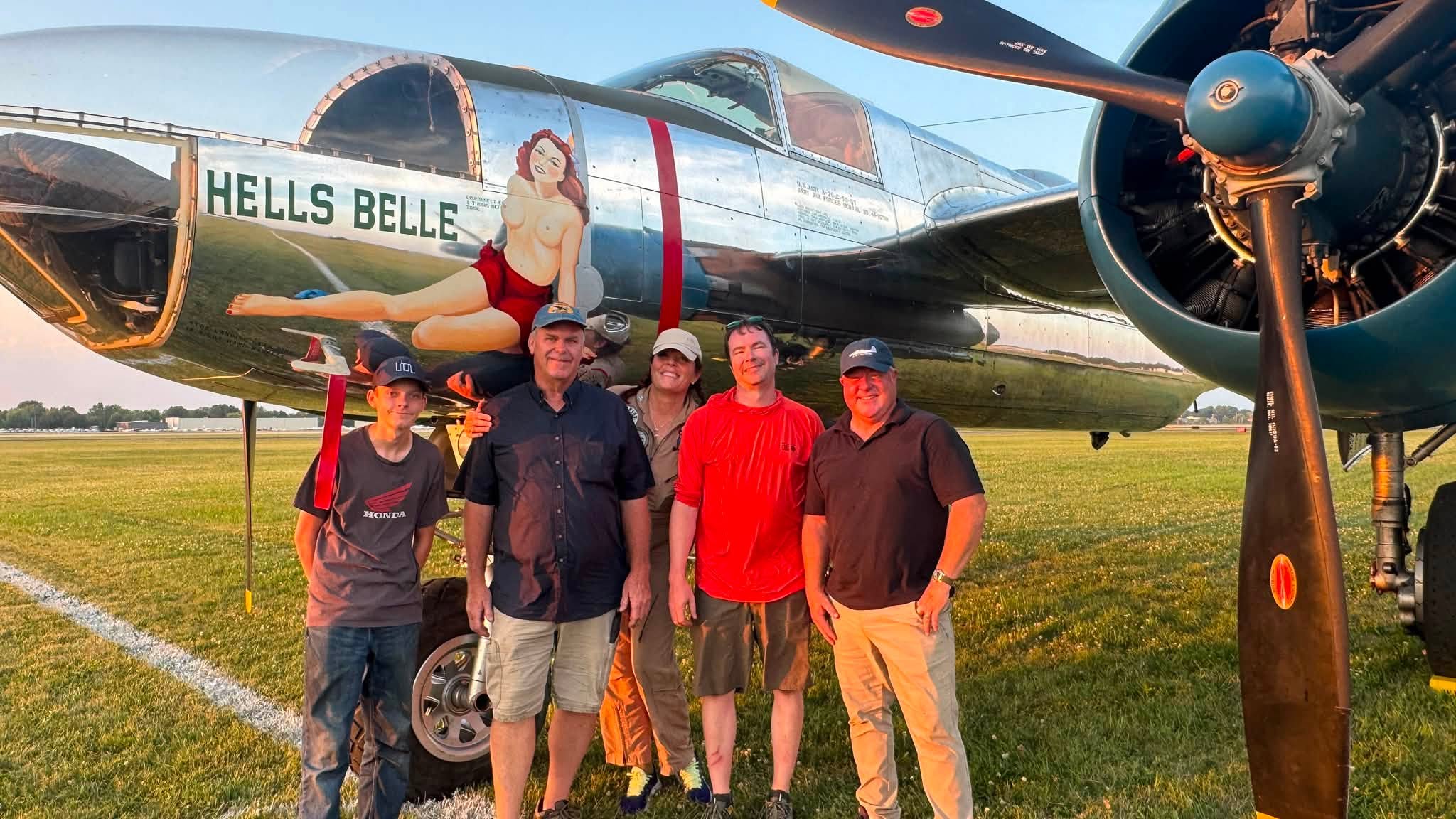
We have a lot of thanks to give. First off thanks Jan for making all of this happen in the first place. Without you it wouldn’t have happened. To the museum volunteers and Vintage Aircraft crew, a hearty thanks for the long hours put in to get the A-26C ready for her cross country adventure. Ed was out there polishing and shining her up even in 100 degree weather. His son even joined in to help. Ricky, Ed’s dad, with his unwavering attention to detail concentrated on the airworthiness items and as a result, she ran great! Three generations of Clausens working on the old gal. Then there is Logan, our wonderful 16 year old volunteer, who was around every day he wasn’t in school, and a few days he was supposed to be in school! On top of that he had to drive one hour each way to get here and work as hard as he did. Good job kid. You are restoring my faith in your generation. So many thanks to give. Sydney and Clay working on the graphics inside and out. Those great little details sure help. Thanks to Jerri Bergen for recreating the original beautiful nose art. She looks great! I’d like to introduce the newly Christened A-26C Hells Belle. Thanks to all of you who helped get her all fixed up for Oshkosh’s Airventure 2026. She ran beautifully on the way here yesterday. Two fuel stops with wonderful folks who took great care of us at AvFlight in Ogden, Utah. Cynthia made it happen! Thank you. We were met by Dave and crew at Howard Aviation at Winner, South Dakota. Thank you so much for the hospitality and the good fuel price. What a great trip so far and it’s just beginning. Come on out to Oshkosh and say hey!
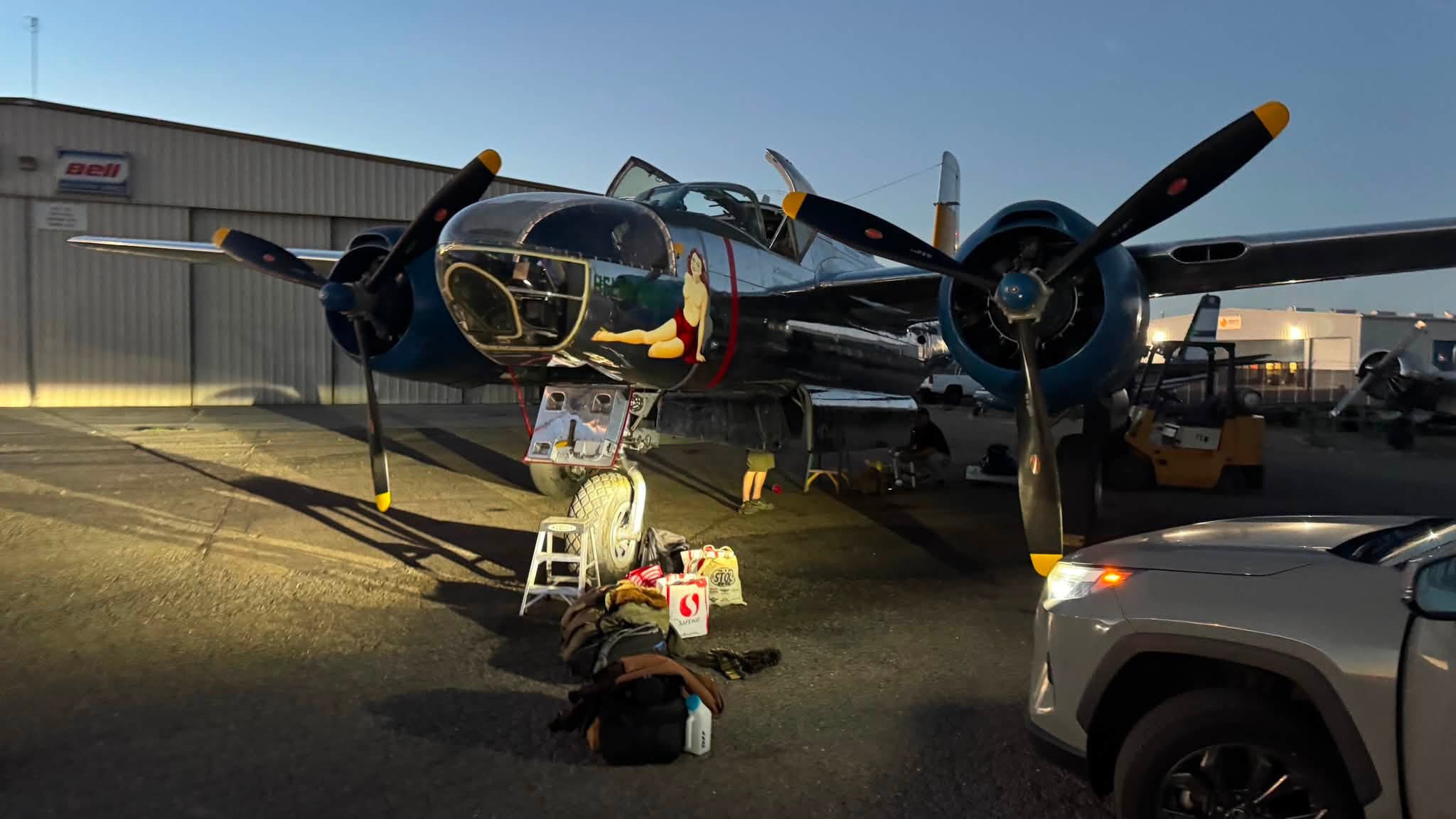
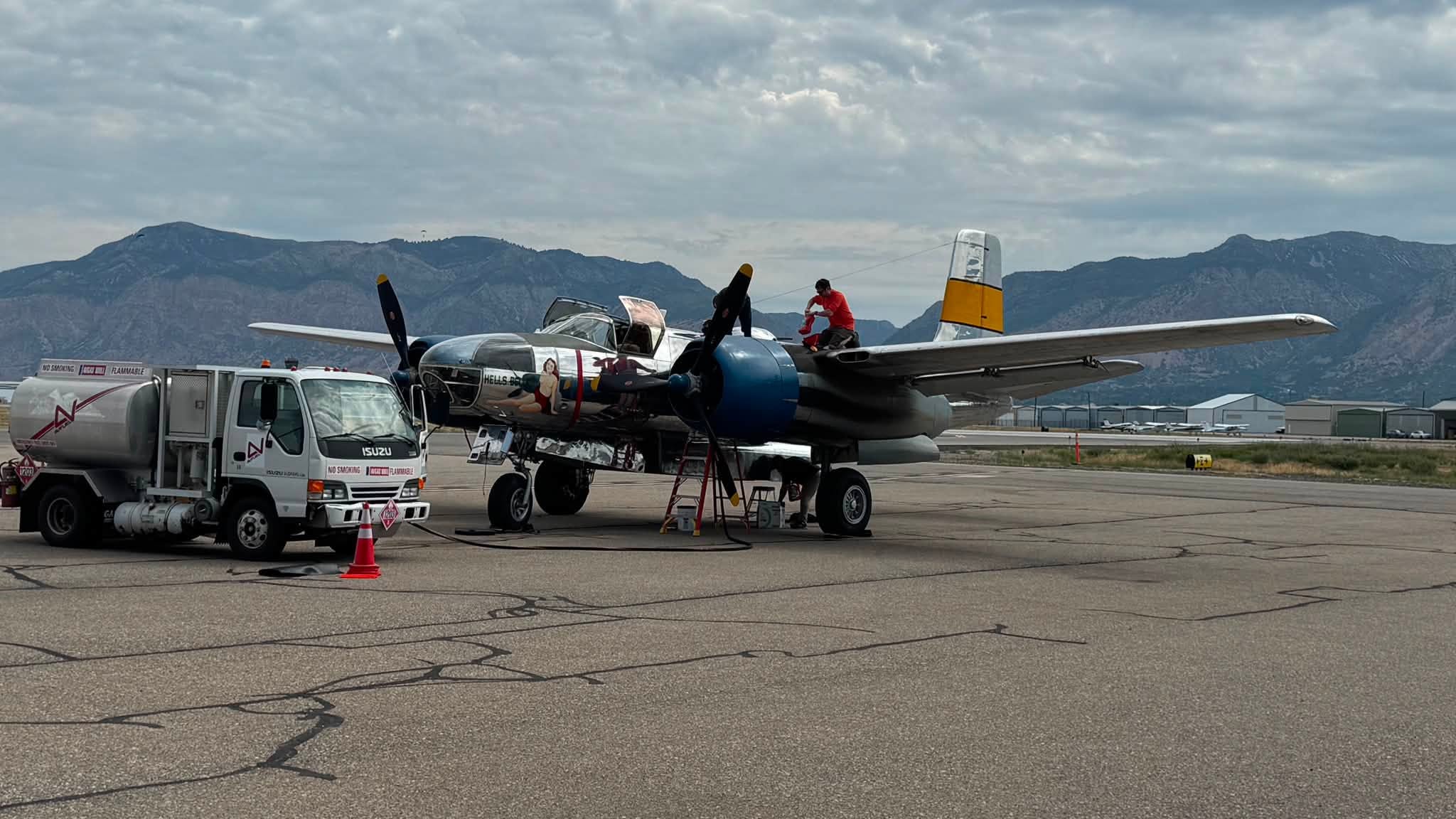
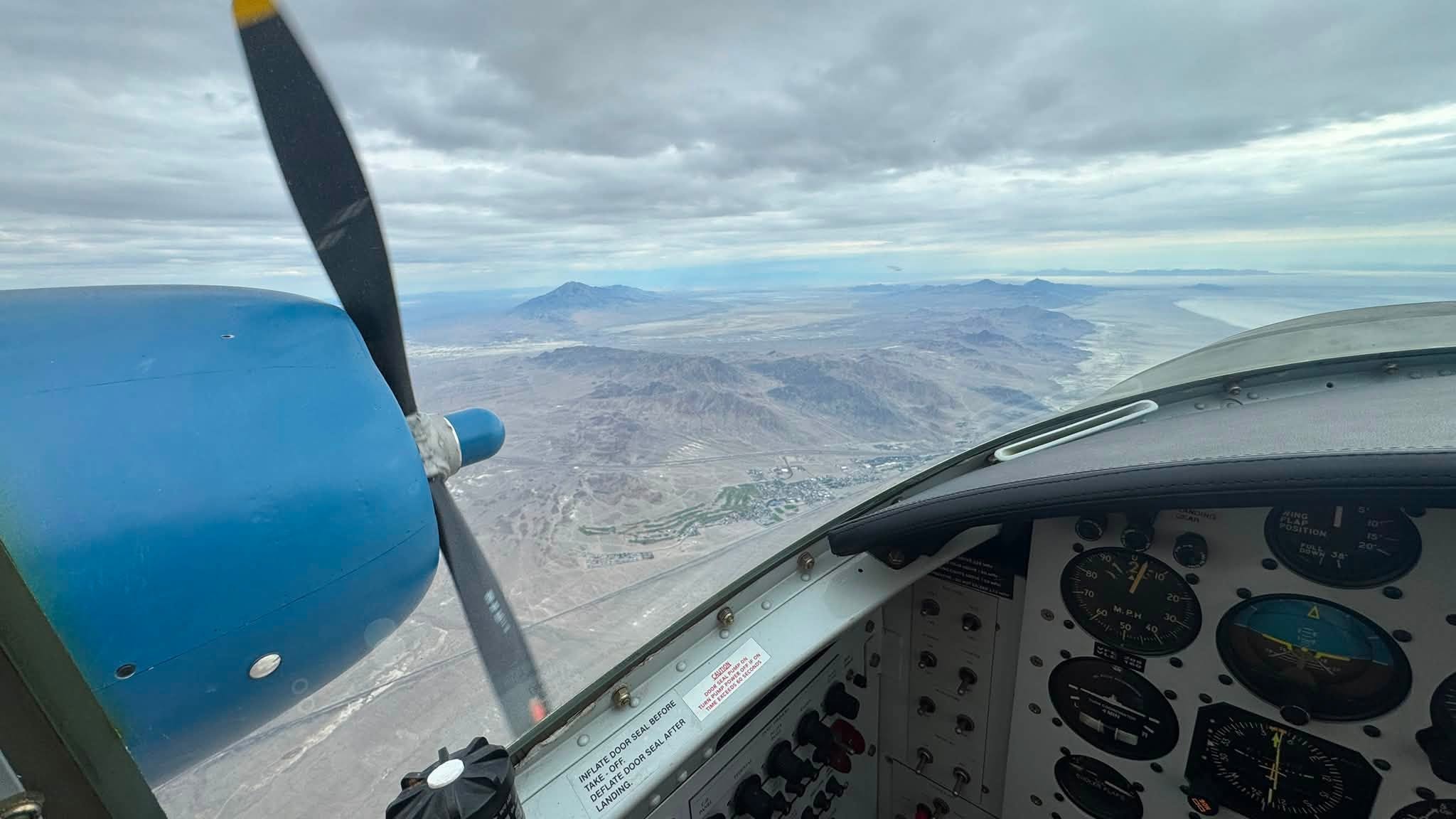
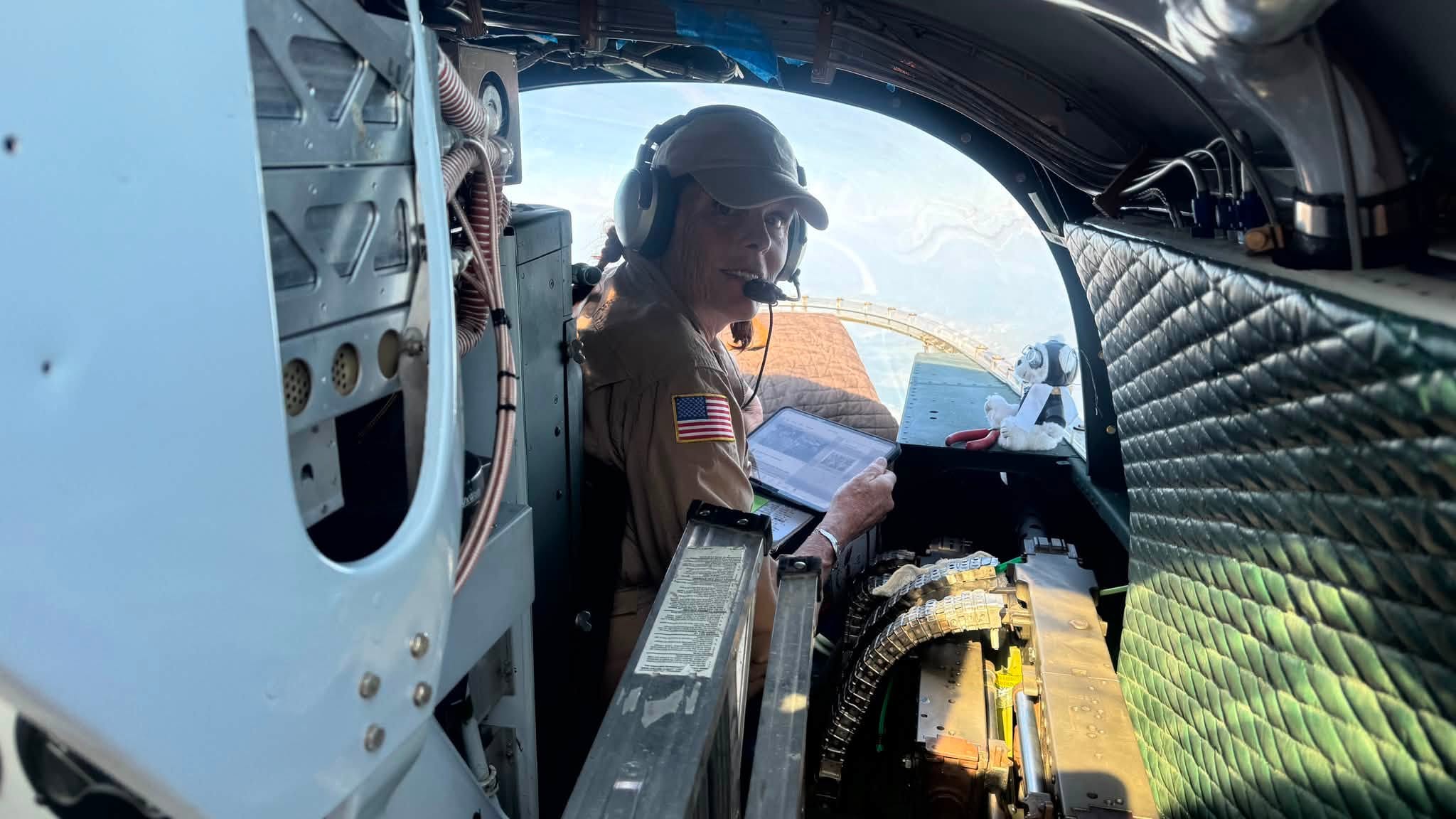
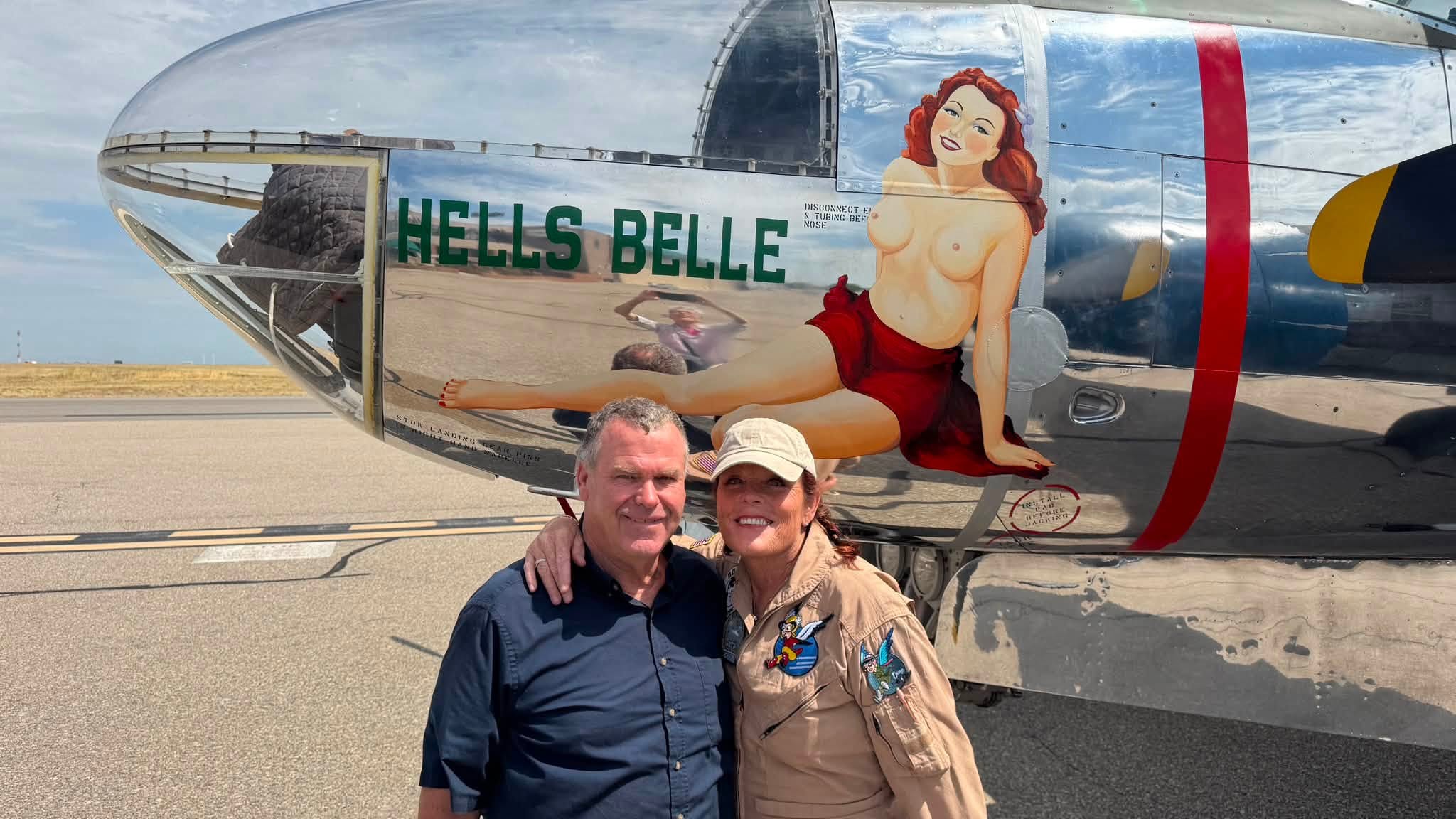
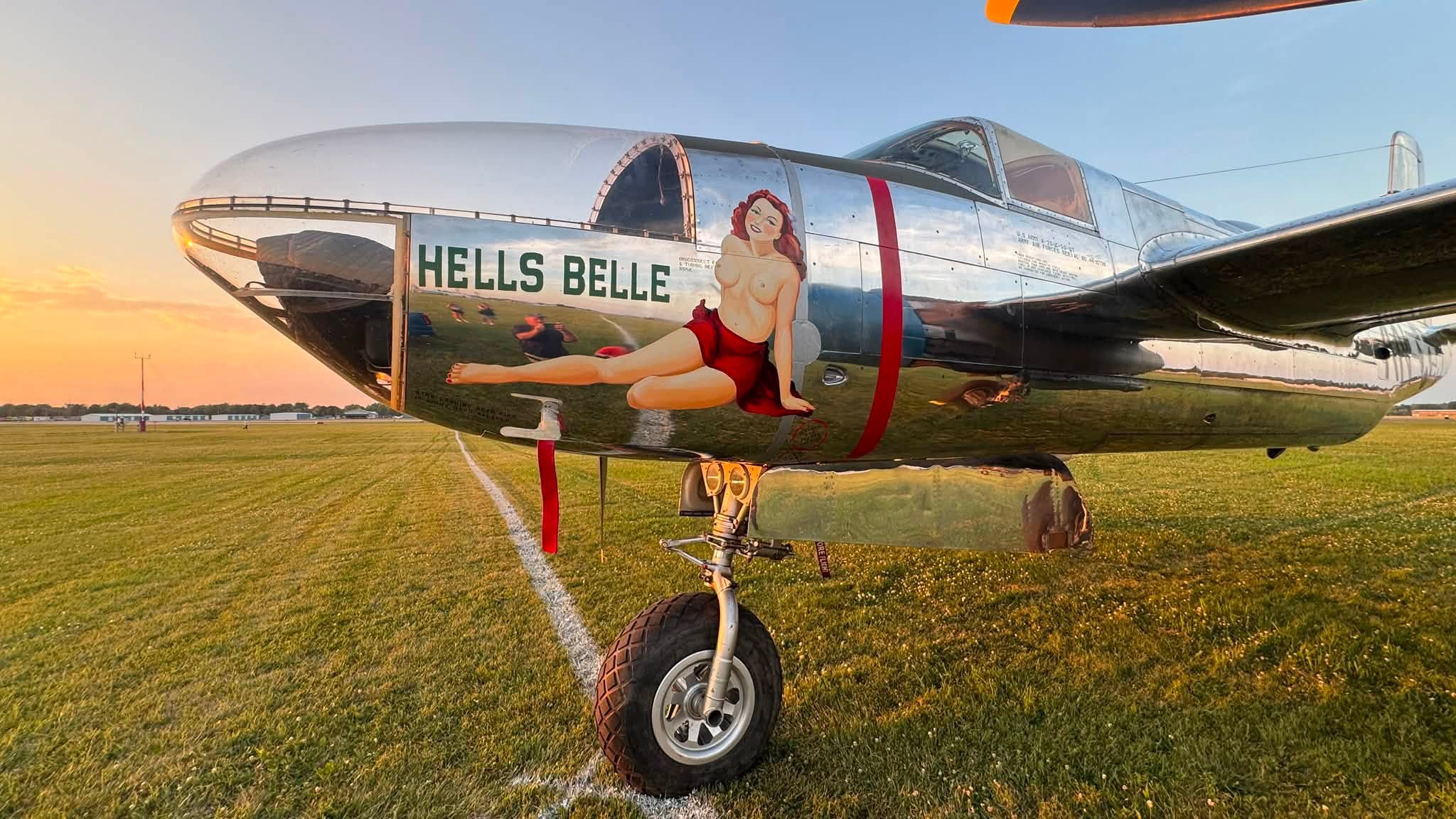
It was such a jam session before OSH, there wasn't much time for A-26 updates. A lot happened in prepping the aircraft for the trip and also adding some original wartime equipment. The nose had been modified and a lot of internal structure cut down so a stock nose was selected as a replacement. Yes Bradley, this was the nose that has been in the museum for 30+ years. The replacement nose had the "fenders" which is the structure that covers the two fixed 50 cal guns on the right side of the nose and the support structure on the left for the bombardiers controls and instrumentation.
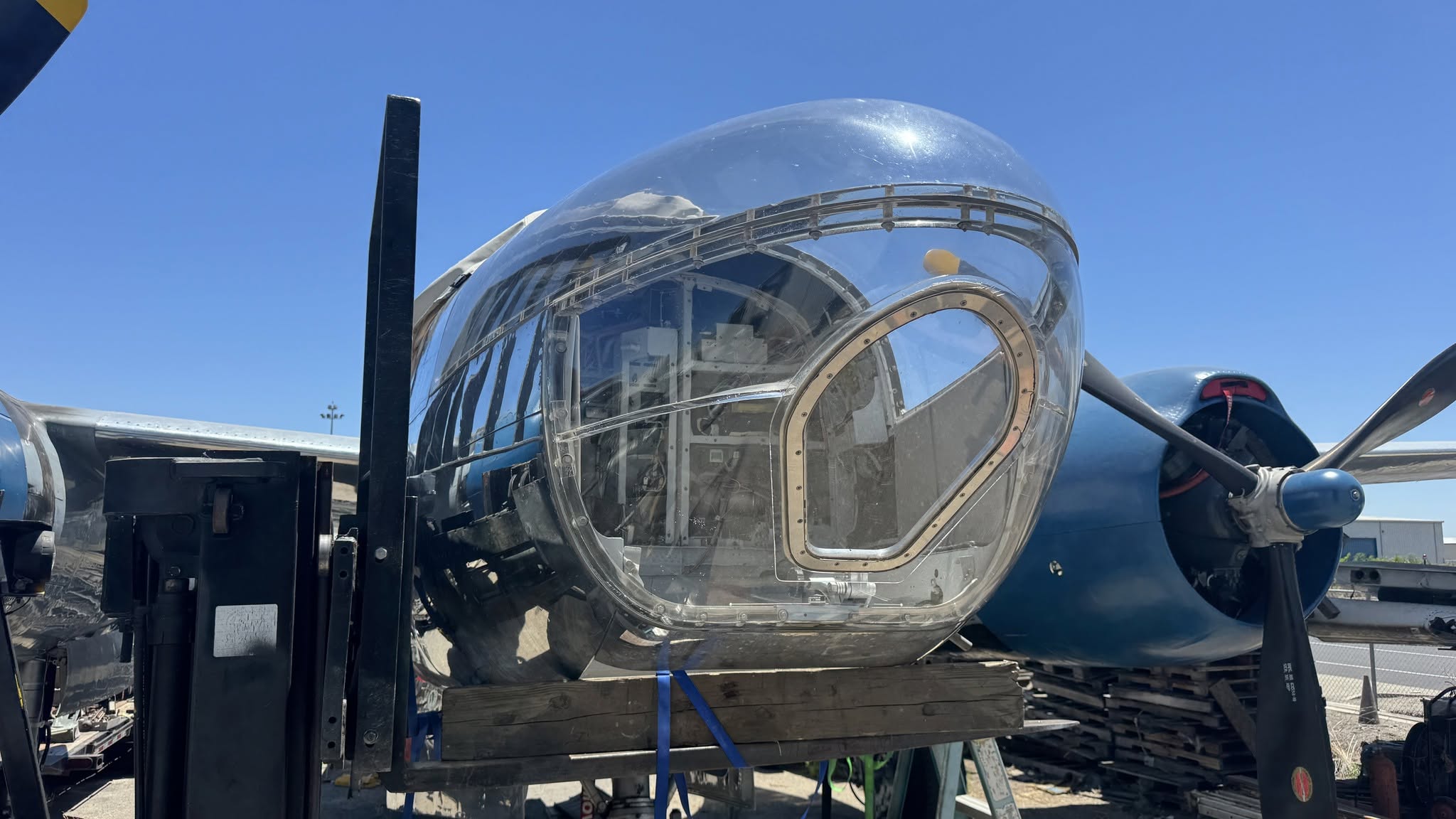
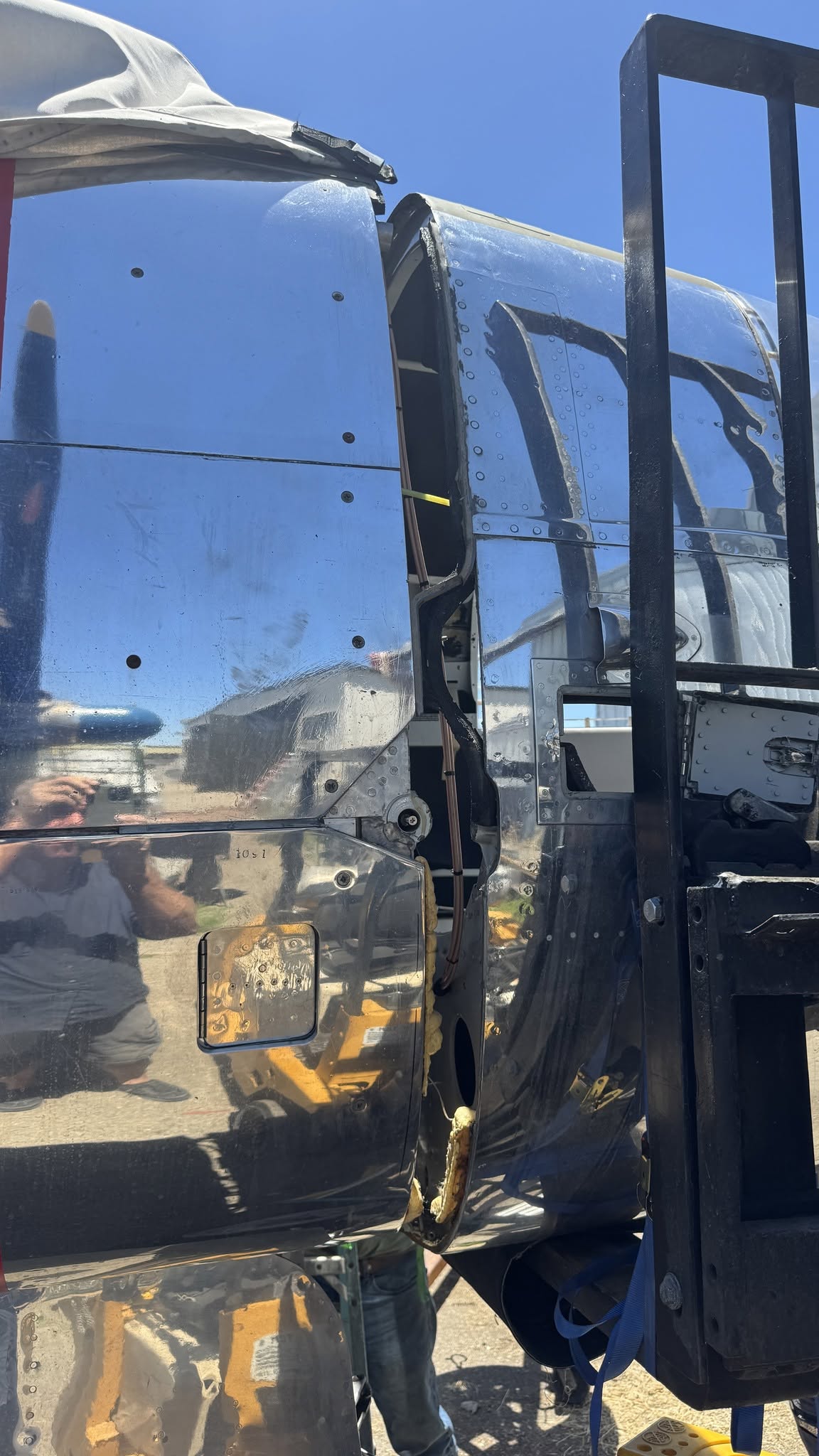
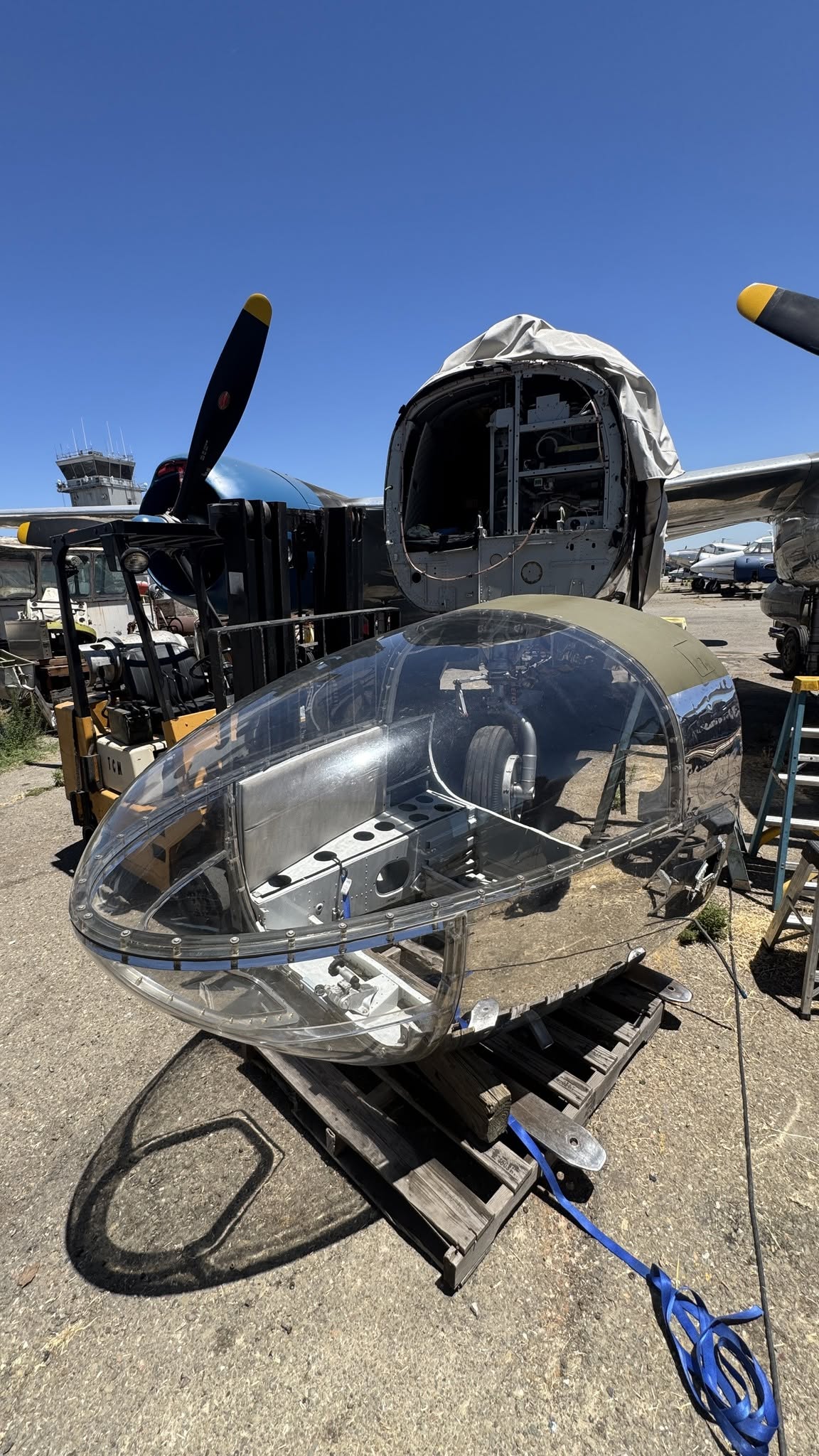
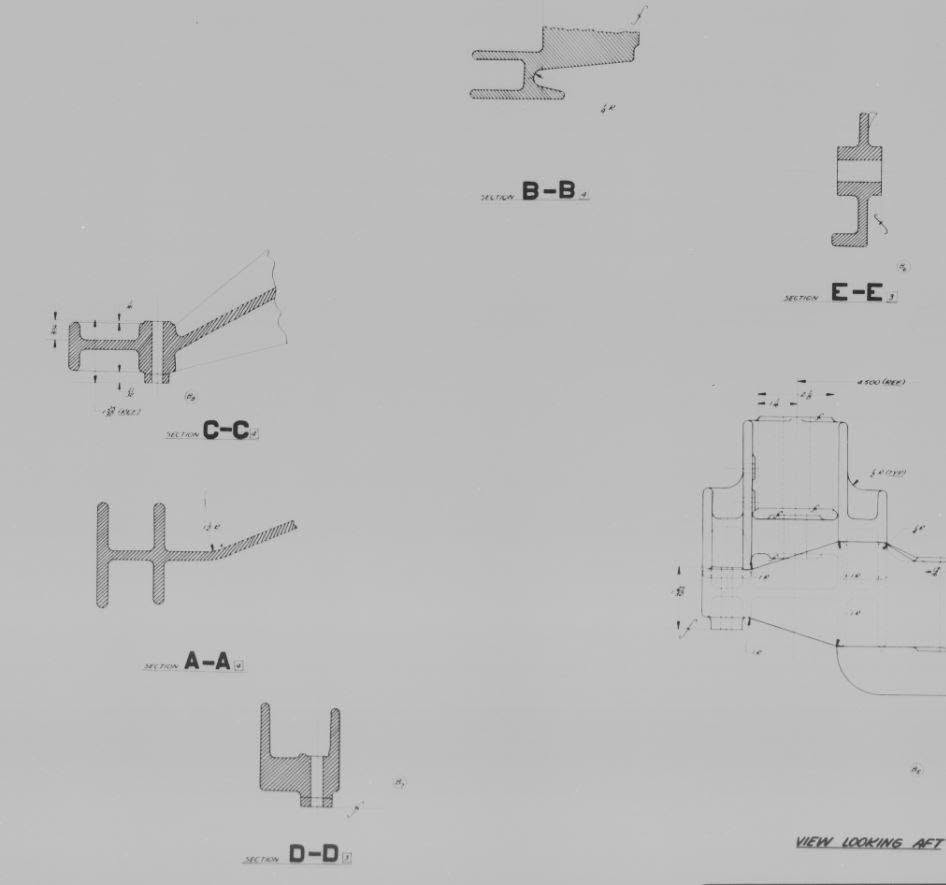
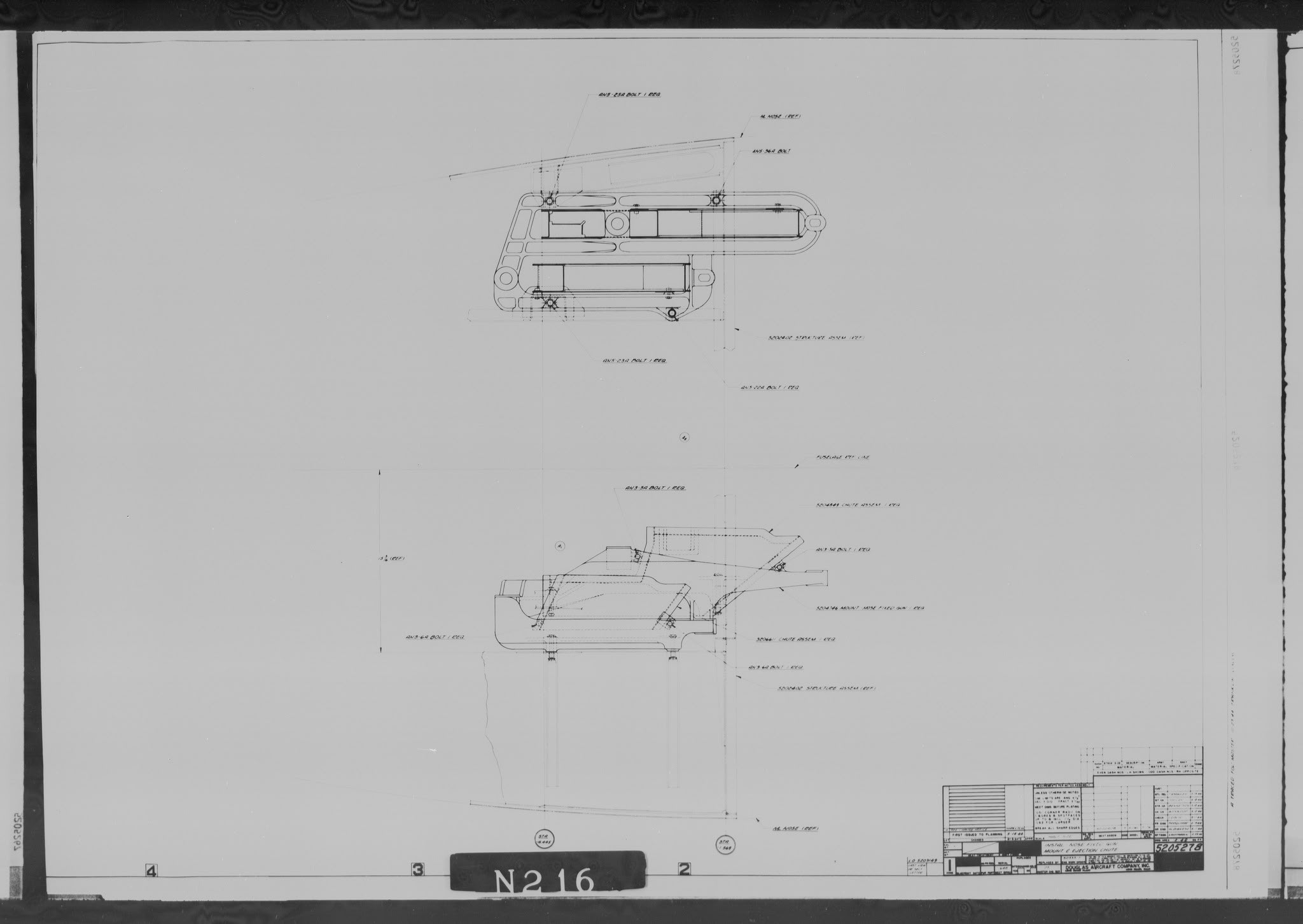
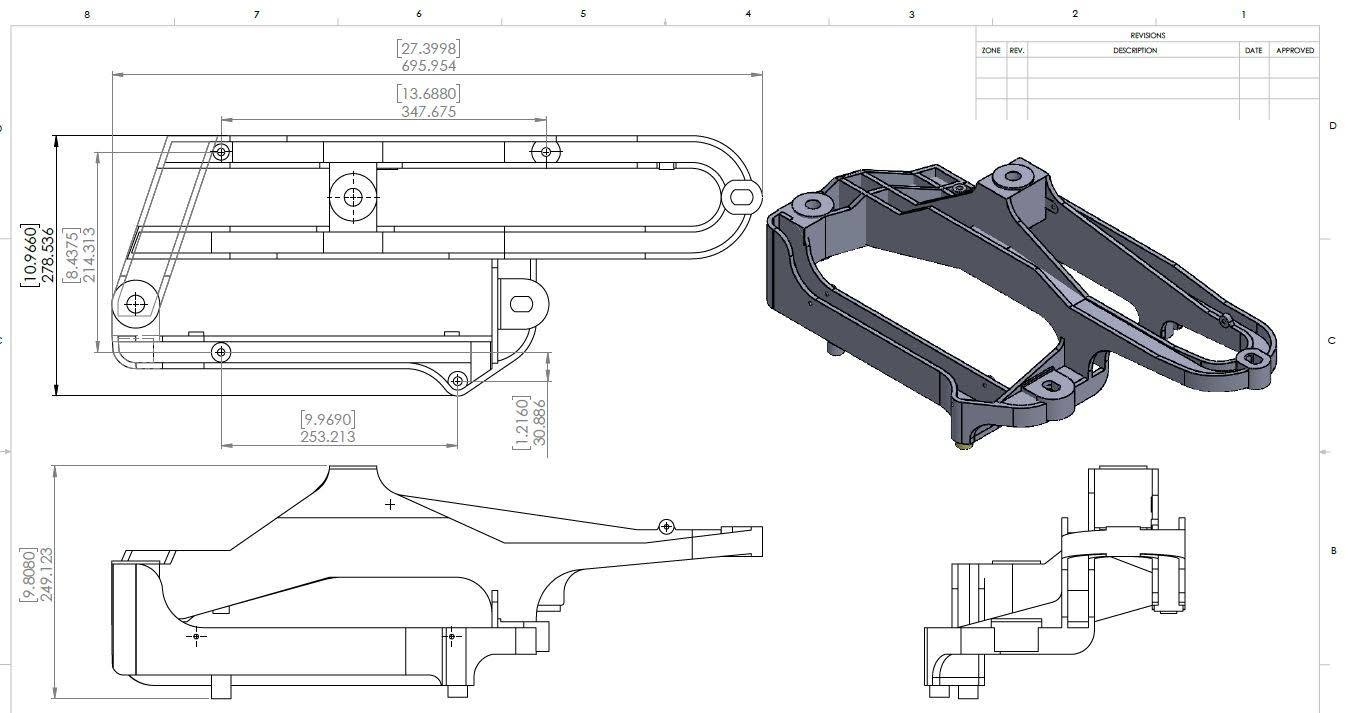
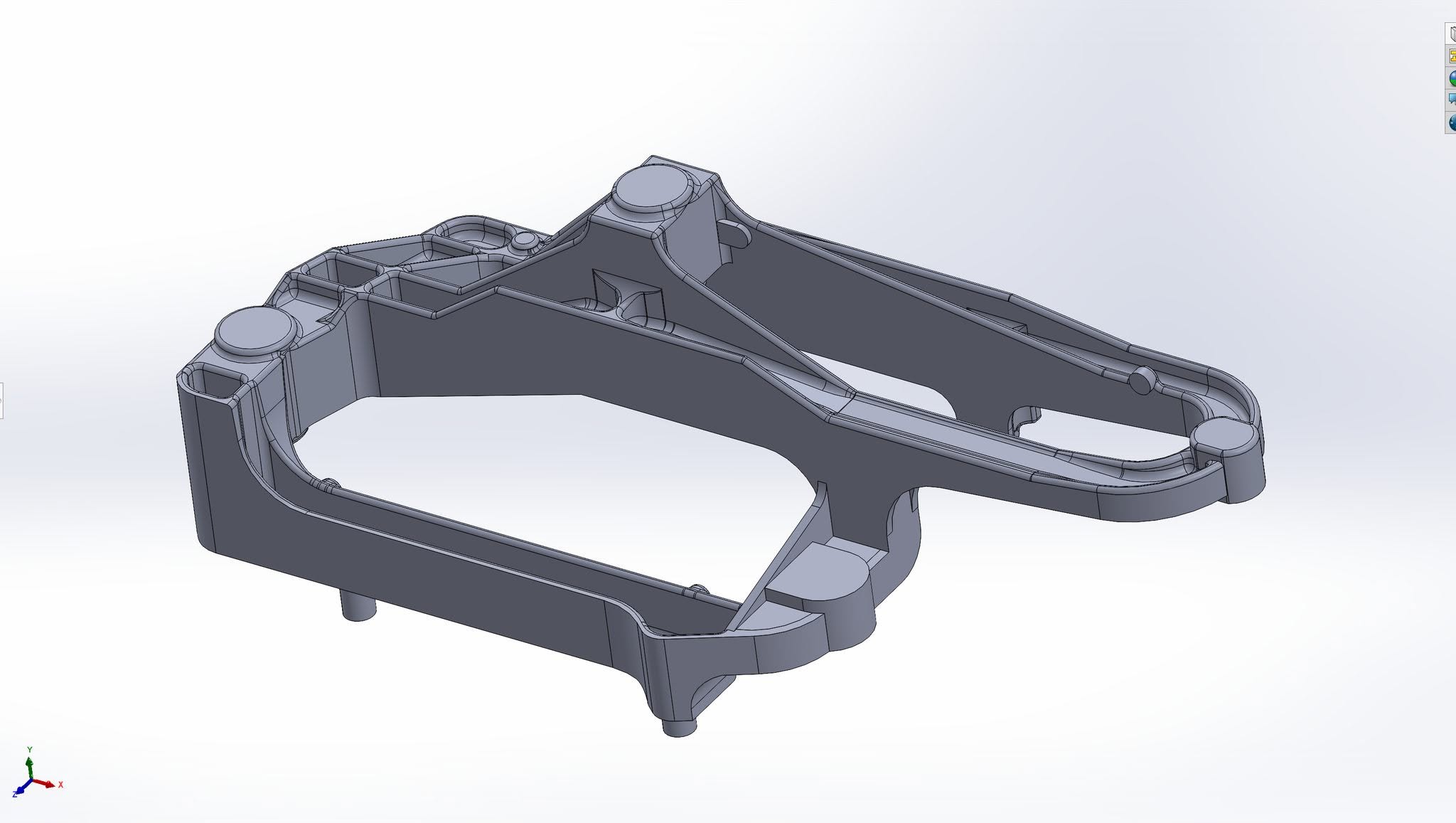
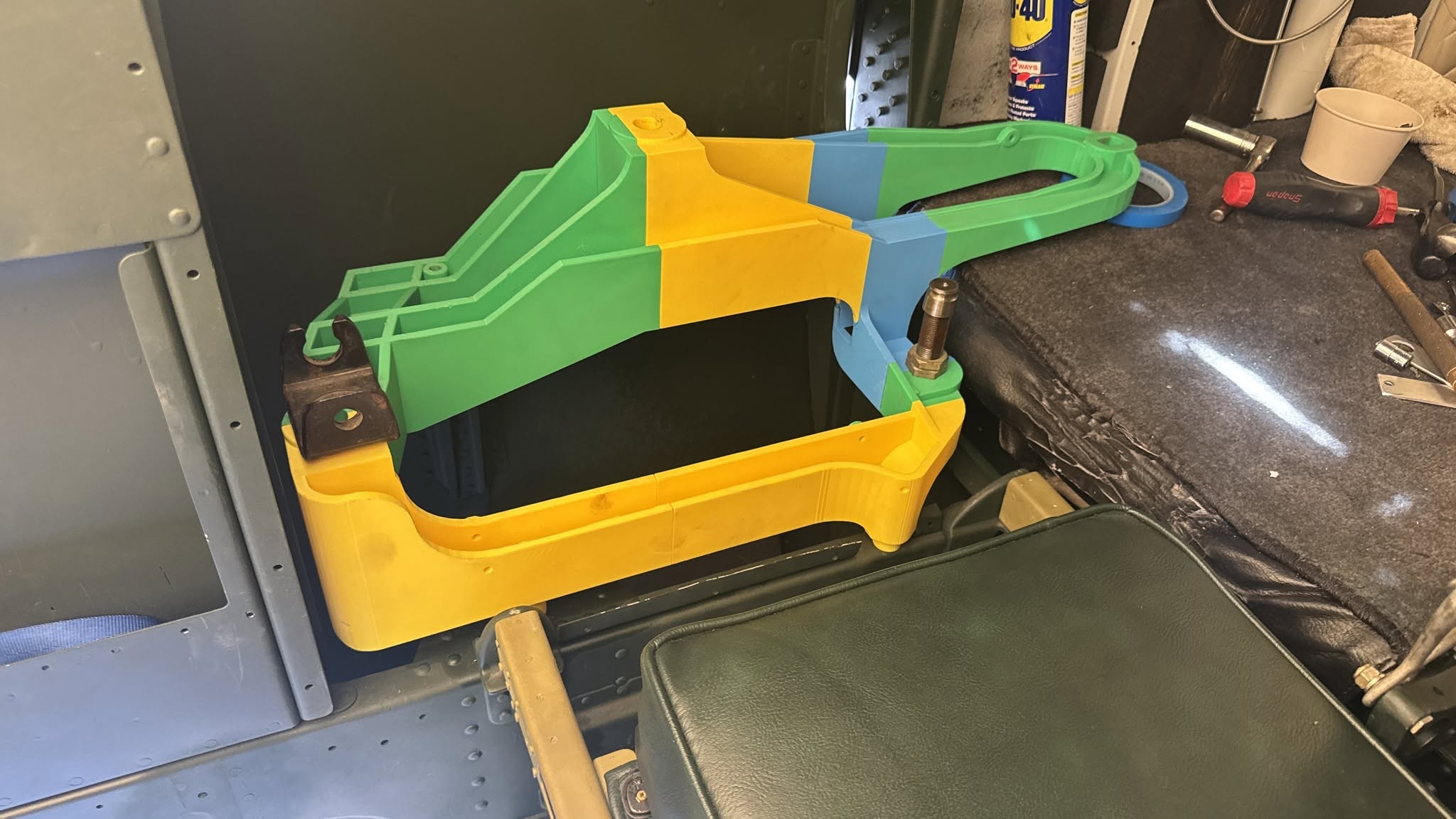
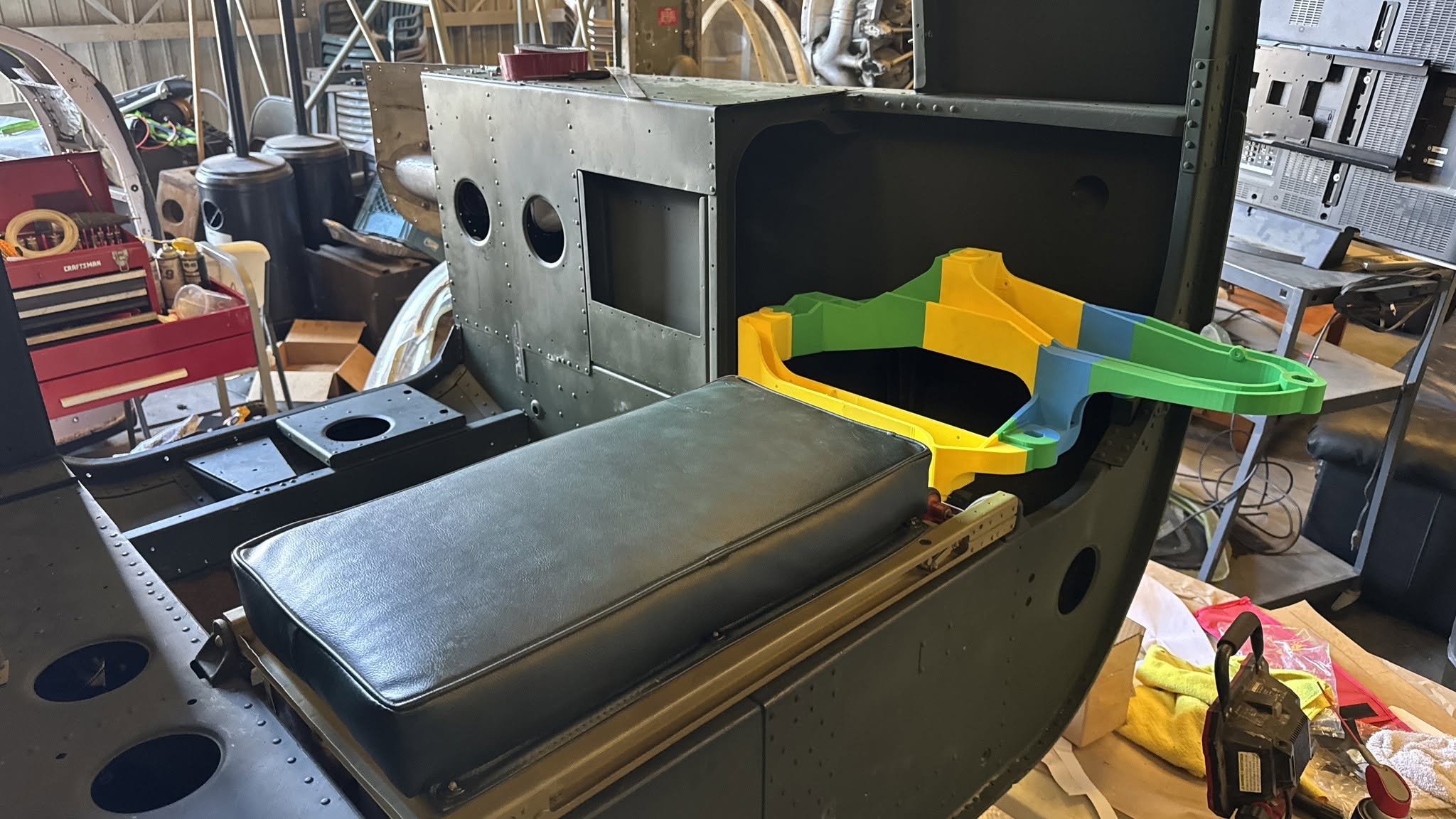
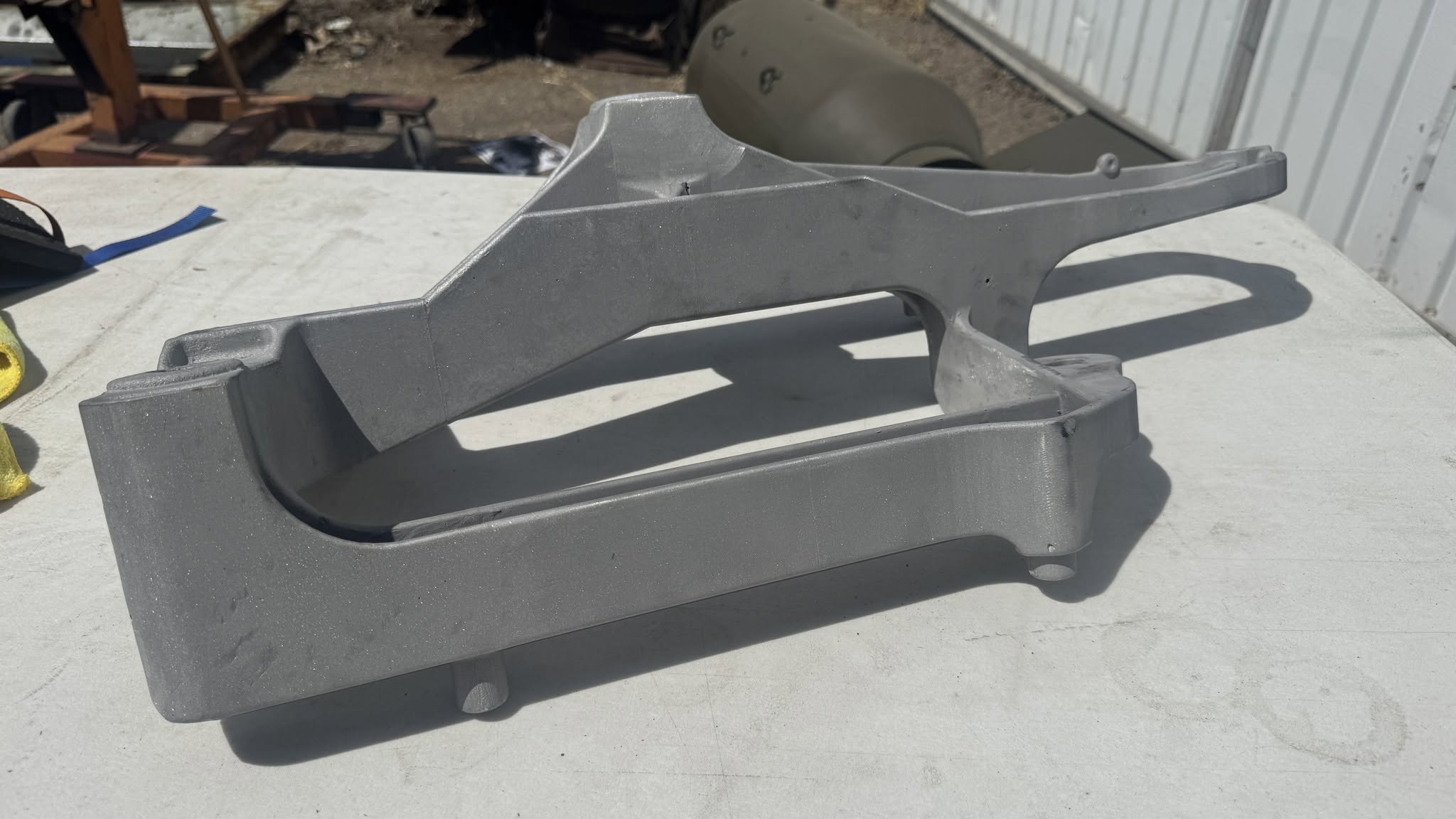
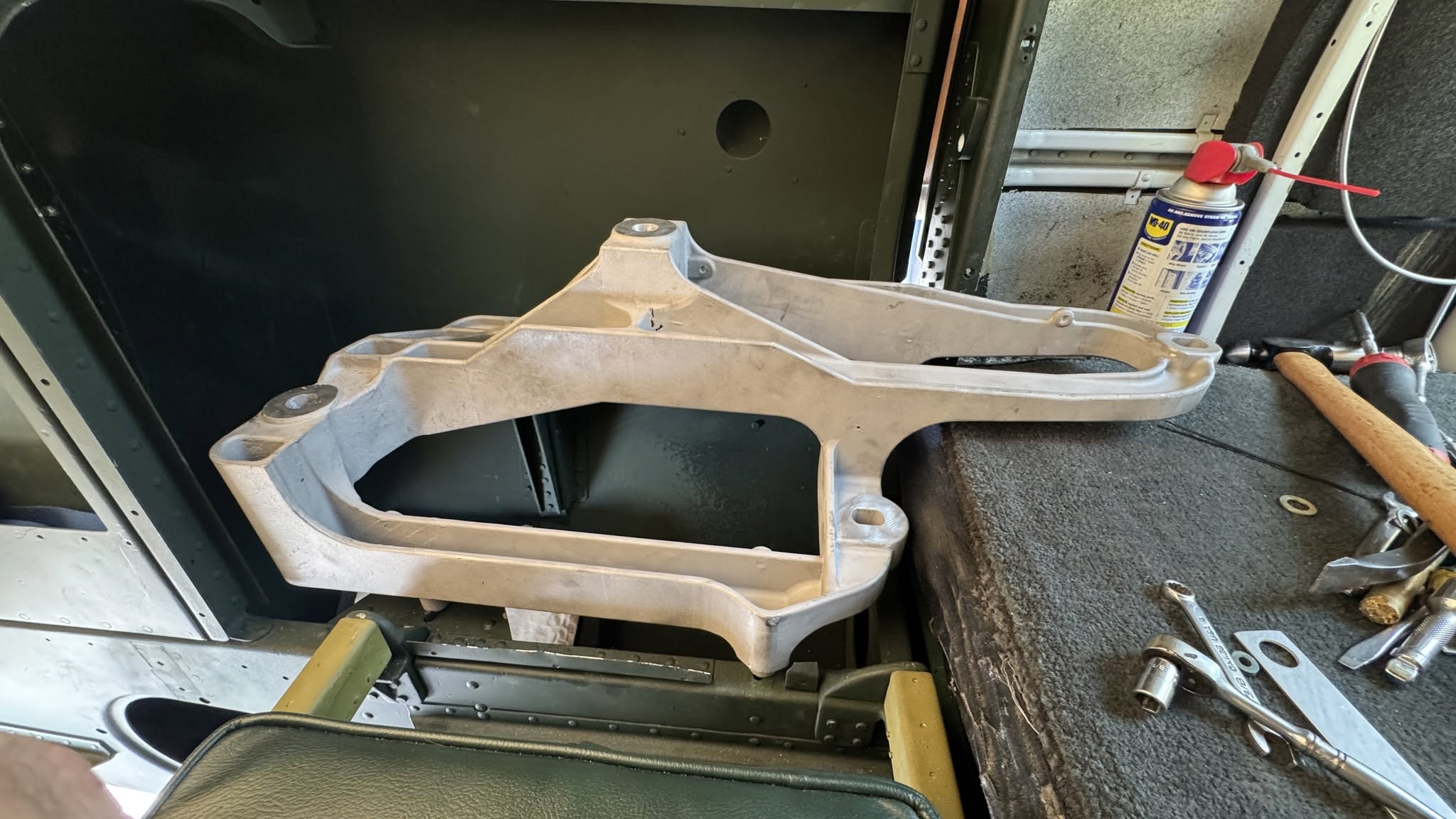
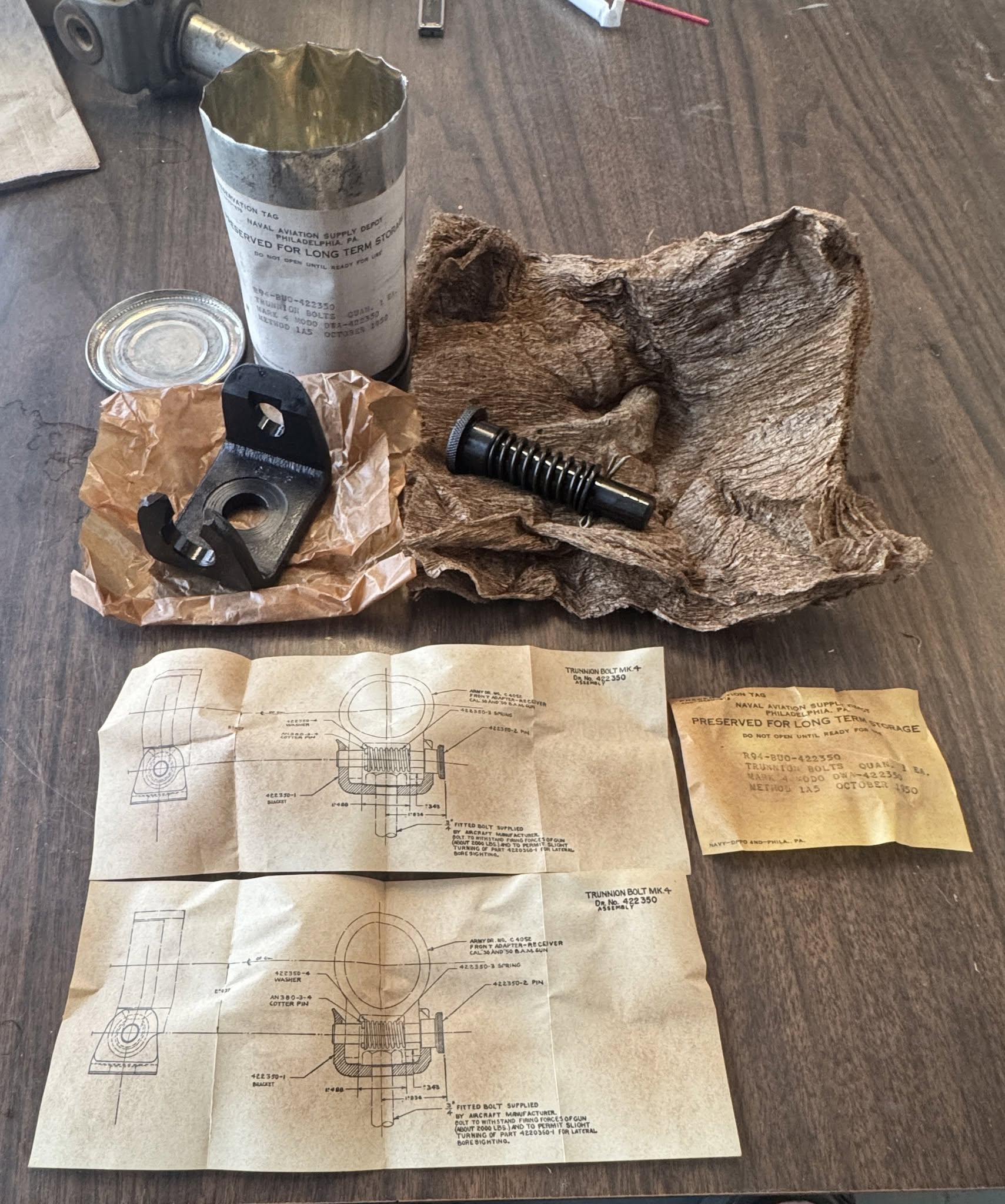
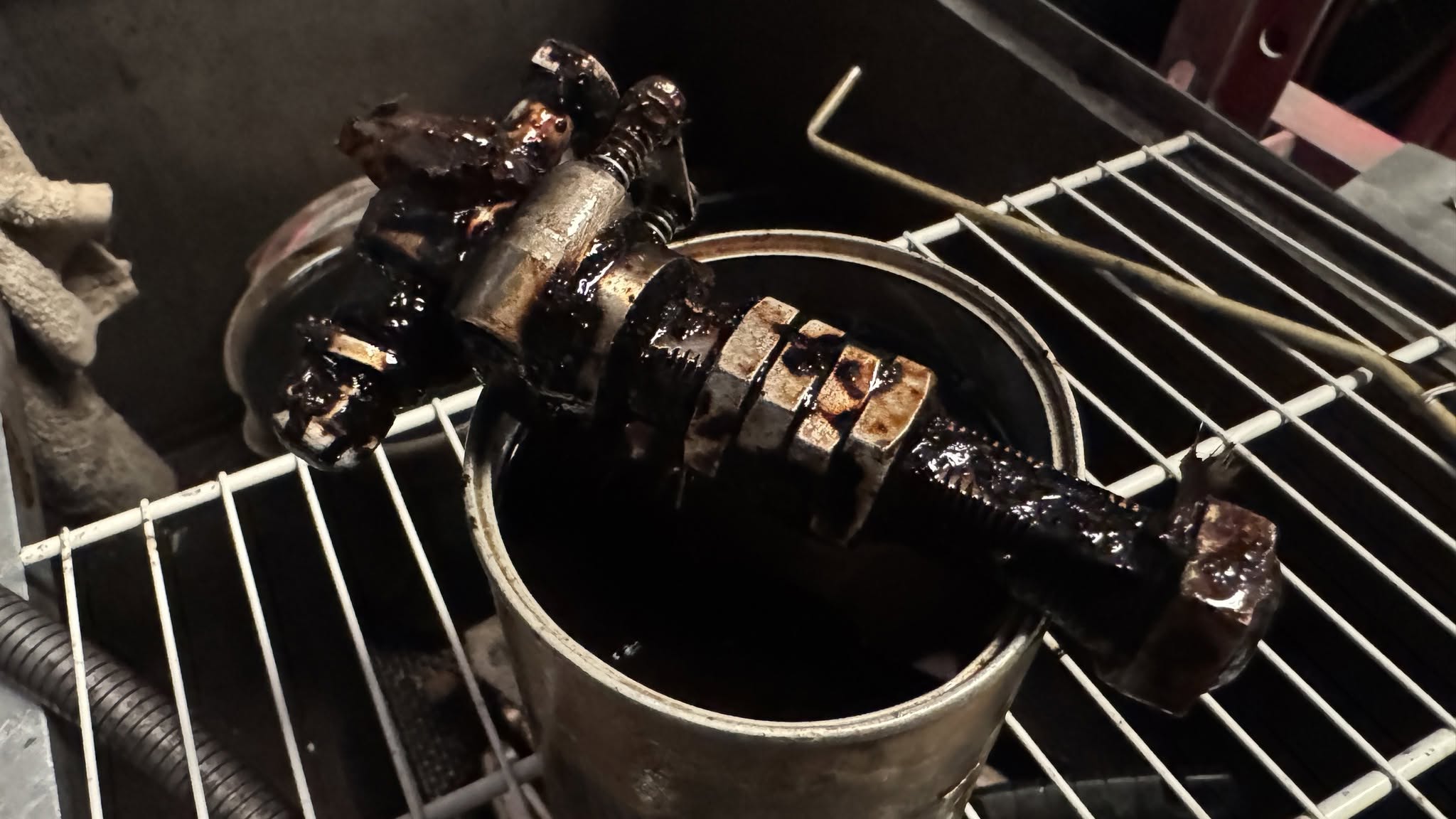
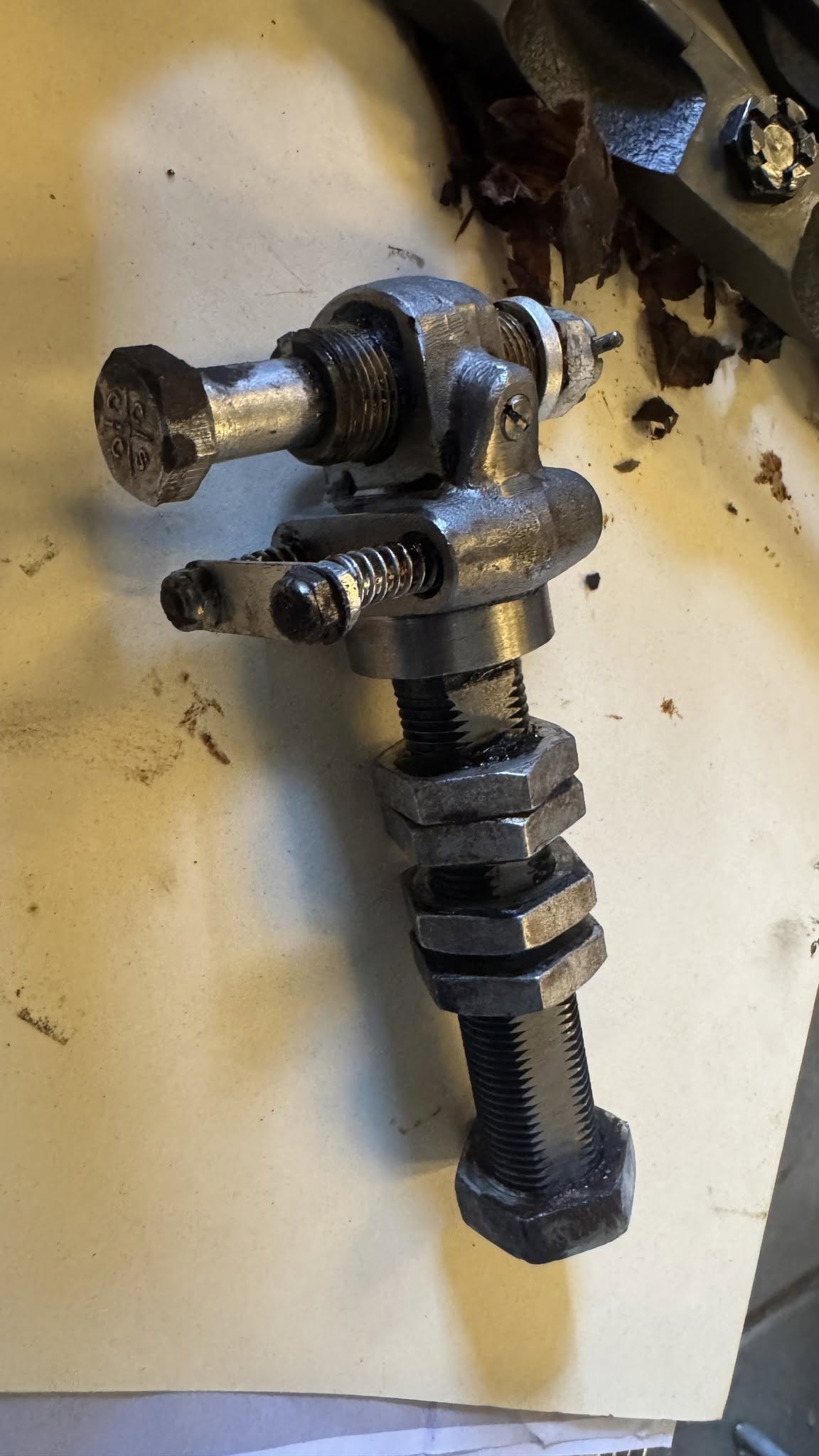
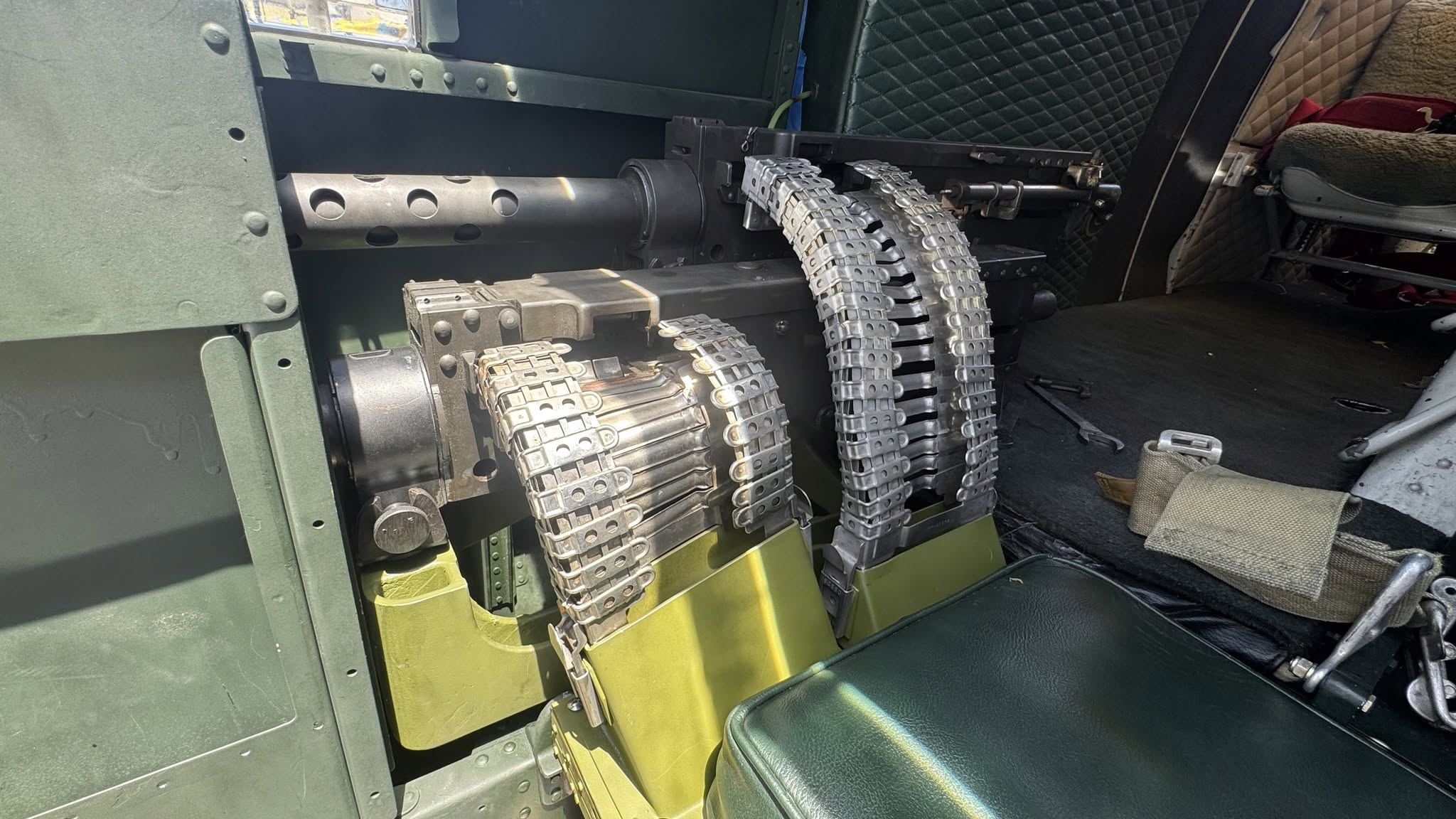
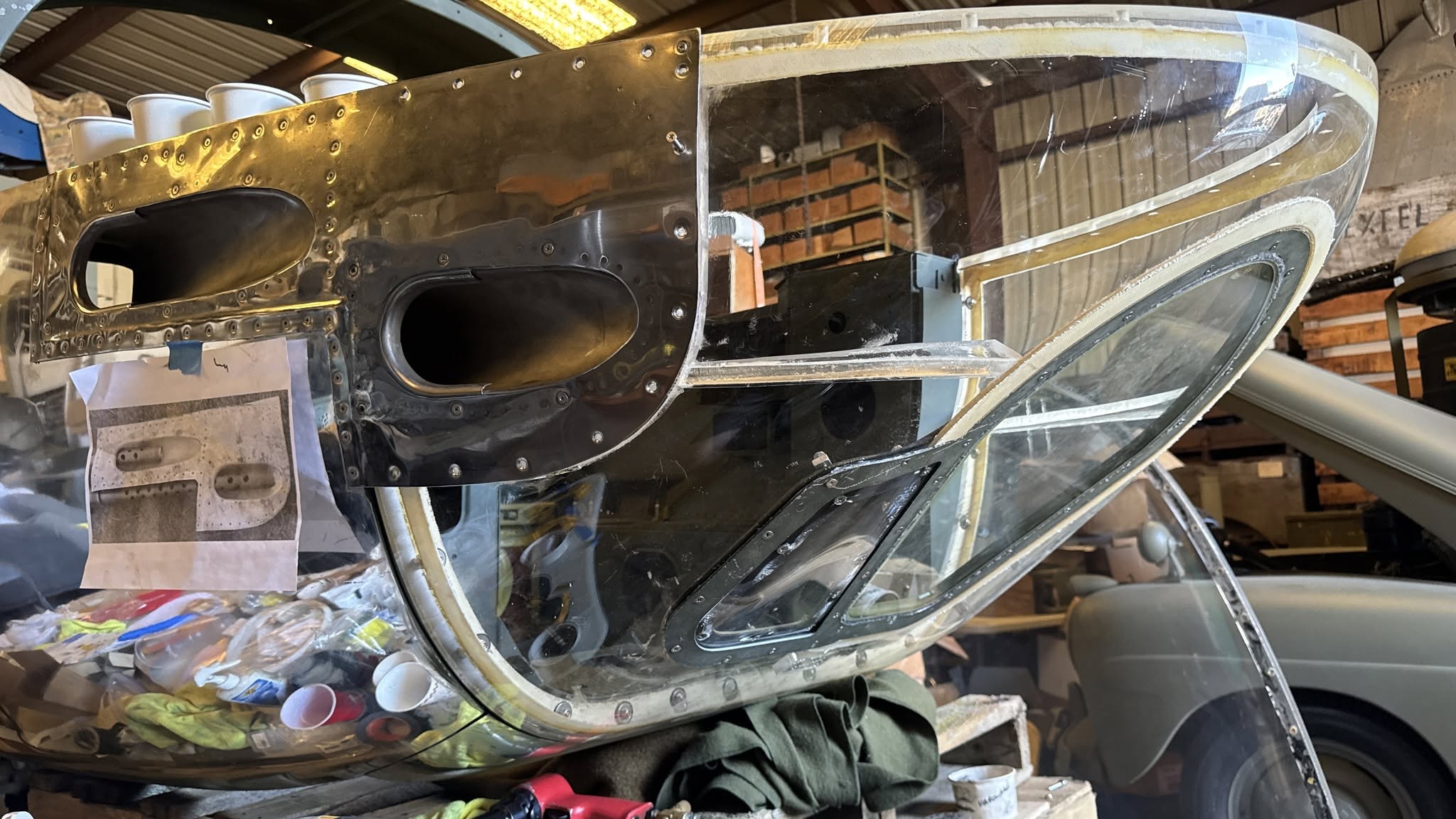
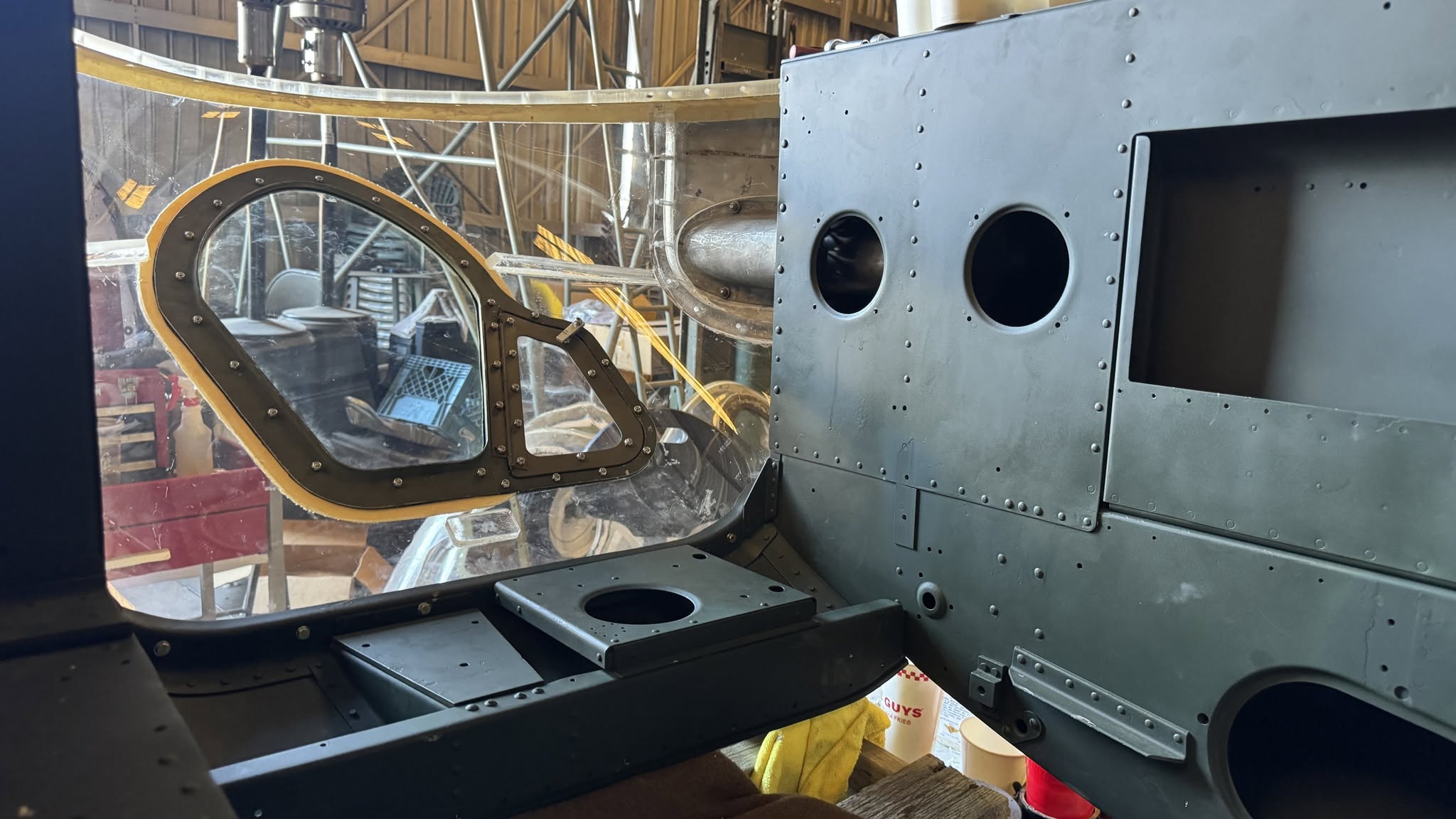
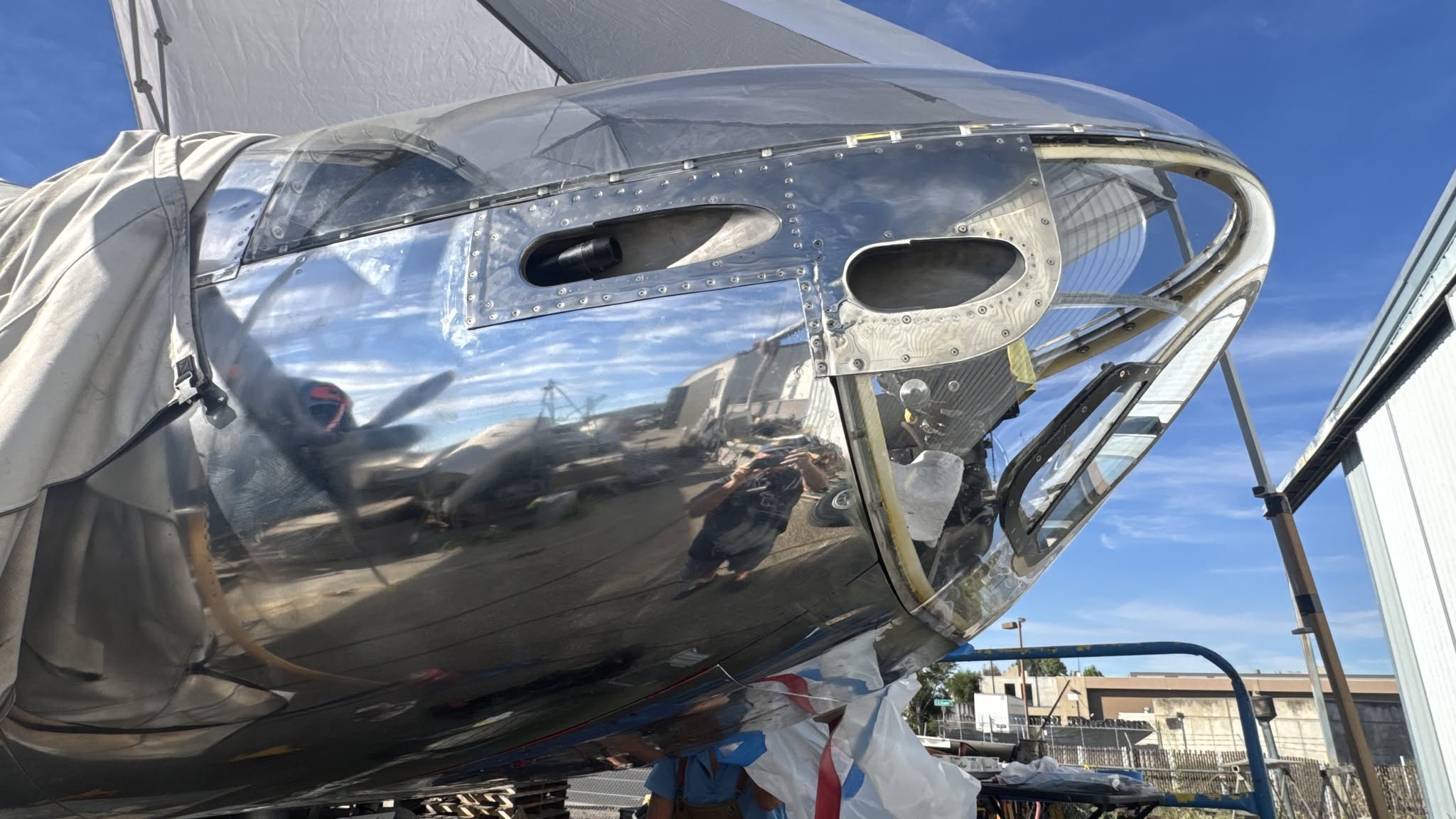
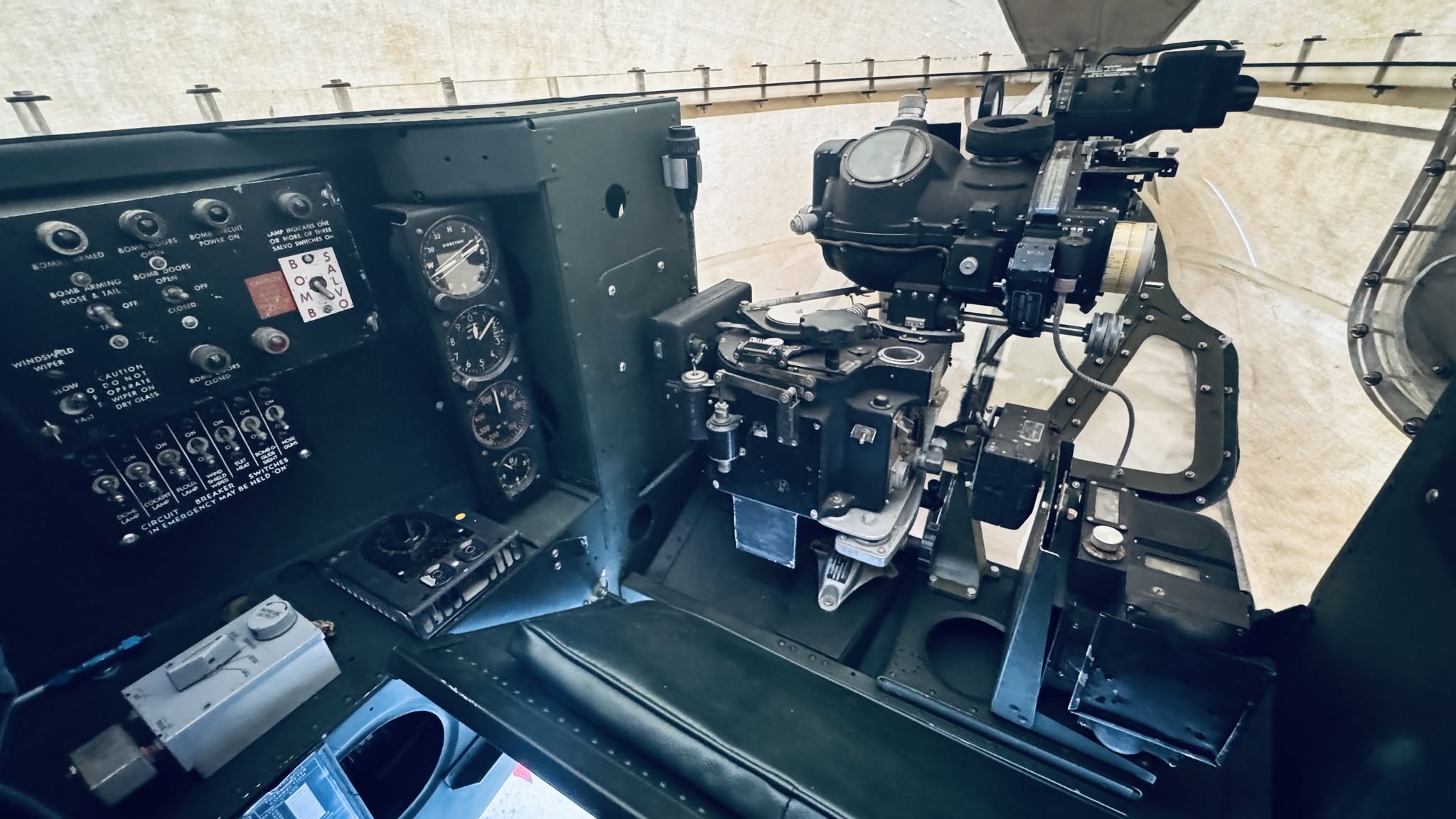
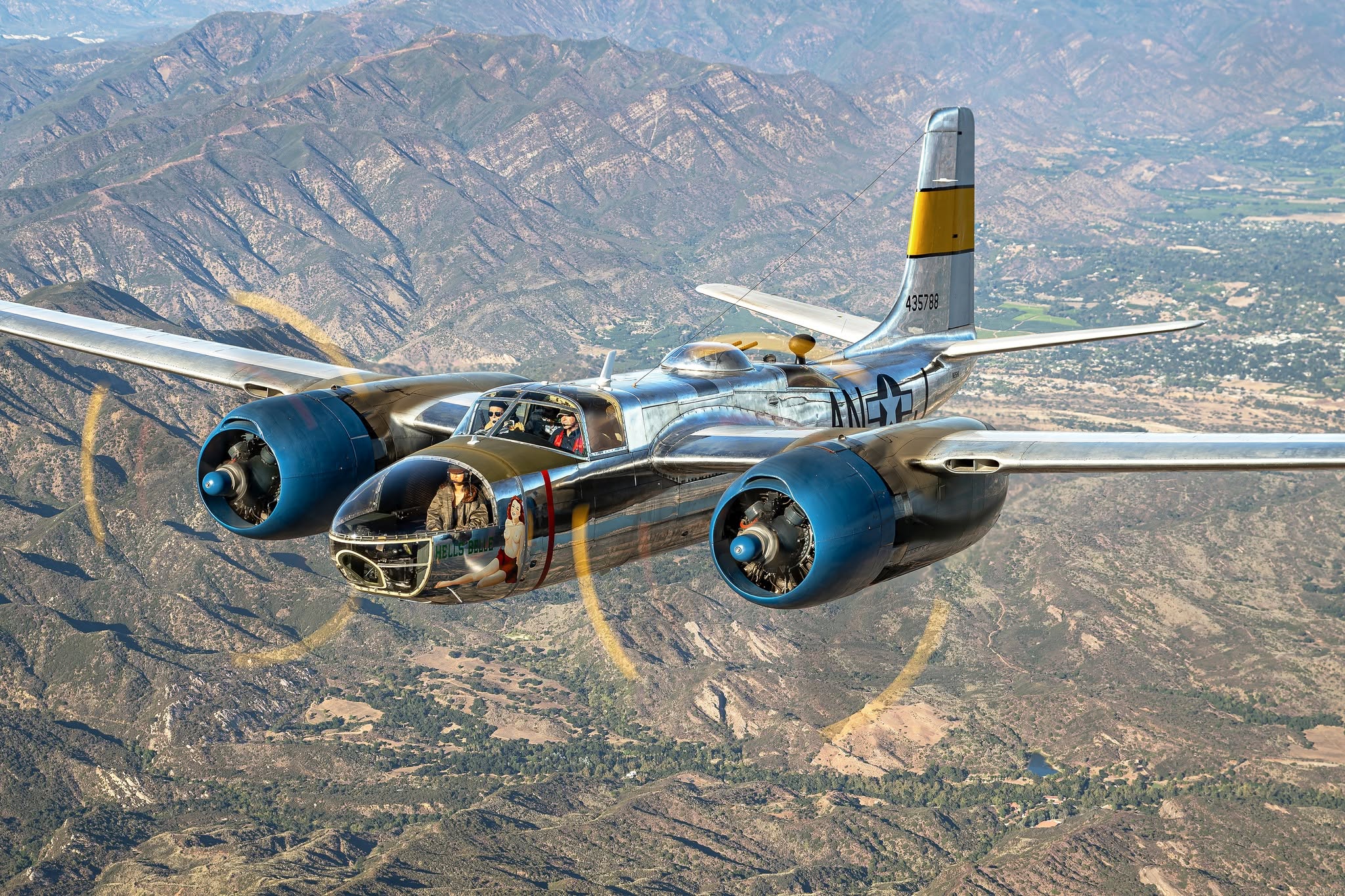
I want to thank all of the people and crew who pitched in and made it happen. 3D modelling of the fixed gun mount was a massive job in which Dan and Alex took a factory drawing and turned it in to a computer model. Clay and Sydney then printed it up so we could check dimensions and fit. Eric from YouTube was kind enough to turn Clay's 3D print in to an investment casting that worked out beautifully. We now had the ability to mount the two fixed guns in the nose. Jerri Bergen from Victory Girl and her husband came up and did a wonderful job with the nose art. Ed did a great job of polishing. Ricky, my right hand guy for the last few decades, kept the bird in great shape. Of course all of this would not be possible if it wasn't for Jan in the first place. Thank you Sweetie! It takes a team and what a team we have. See the captions for the photos for more comments and information.
Check back here or Taigh's Facebook for updates, and thank you for reading!